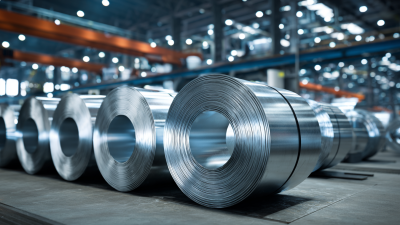
2025 Top Trends in Stainless Steel Coil Usage and Applications
The use of stainless steel coils has become increasingly significant across various industries in recent years. With a projected growth rate of approximately 5% annually, driven by rising demand from sectors such as automotive, construction, and aerospace, the stainless steel coil market is poised for substantial evolution by 2025. According to a recent report by the Global Industry Analysts, the increased emphasis on sustainability and lifecycle management is reshaping the dynamics of stainless steel applications. Industry expert Dr. Emily Thompson, a renowned metallurgist, underscores this trend, stating, "The future of Stainless Steel Coil usage is deeply intertwined with eco-friendly practices, as manufacturers seek innovative solutions to reduce their carbon footprint while enhancing performance."
Moreover, advancements in technology and manufacturing processes are paving the way for enhanced product capabilities. Innovations such as cold-rolled and high-strength stainless steel coils are catering to the specific needs of demanding applications across diverse markets. The integration of smart technology within manufacturing processes also promises to optimize production efficiencies and product quality. As we approach 2025, it is essential for industry stakeholders to stay abreast of these top trends shaping the future of Stainless Steel Coil usage and its applications, ensuring competitiveness and adherence to evolving regulatory standards.
Emerging Innovations in Stainless Steel Coil Manufacturing Techniques
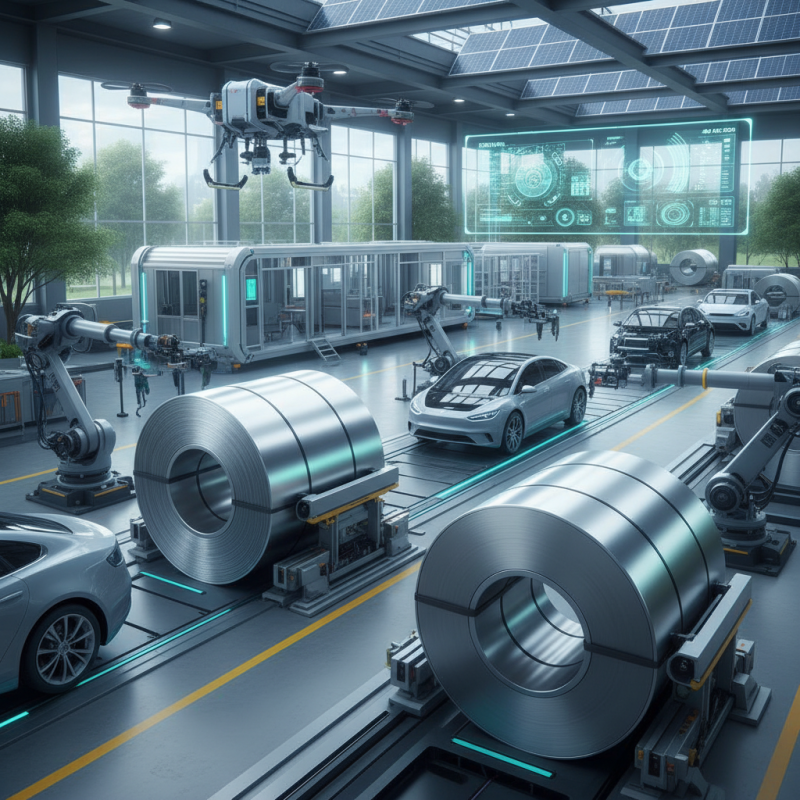
Recent advancements in stainless steel coil manufacturing techniques are revolutionizing the industry, paving the way for enhanced efficiency and sustainability. Innovations such as continuous casting and advanced rolling technologies are transforming production processes, enabling manufacturers to produce high-quality coils with improved mechanical properties. According to a report by the International Stainless Steel Forum (ISSF), the global stainless steel production is projected to reach 60 million metric tons by 2025, demonstrating the growing demand and the necessity for innovative production approaches.
Additionally, the integration of automation and Industry 4.0 technologies is playing a pivotal role in enhancing production efficiency. Smart manufacturing systems allow for real-time monitoring and analysis of production lines, significantly reducing waste and optimizing resource utilization. A study by Research and Markets highlighted that the global market for stainless steel is expected to grow at a CAGR of 4.7% from 2020 to 2025, driven by these manufacturing innovations. Notably, advancements in surface treatment processes, including mechanical polishing and passivation, are enhancing the corrosion resistance and aesthetic quality of stainless steel coils, making them suitable for a broader range of applications in sectors such as construction, automotive, and food processing.
Key Industries Driving Demand for Stainless Steel Coils in 2025
The use of stainless steel coils is projected to rise significantly in 2025, driven by key industries such as construction, automotive, and food processing. According to recent market analysis by Global Industry Analysts, the stainless steel coil market is expected to reach approximately $20 billion by 2025, growing at a rate of 5% annually. The construction industry, in particular, is leading this demand due to the increasing preference for durable and sustainable building materials. Stainless steel’s resistance to corrosion makes it an ideal choice for architectural applications, with an expected growth rate of around 6% in structural projects.
In the automotive sector, the demand for lighter and more efficient materials has spurred the use of stainless steel coils in vehicle manufacturing. Reports indicate that the automotive industry is anticipated to account for nearly 30% of the stainless steel market by 2025, driven by stringent regulations around emissions and an increased focus on fuel efficiency. Furthermore, the food processing industry is also embracing stainless steel for its hygienic properties and ease of cleaning, which is crucial for complying with health standards.
Tips: When investing in stainless steel coil products, consider the lifecycle benefits they provide, including longevity and low maintenance needs. Additionally, staying updated on regulatory changes in your specific industry can help in making informed purchasing decisions that align with market trends. Moreover, collaborating with key suppliers can enhance your material sourcing strategy, ensuring high-quality products that meet industry standards.
Sustainability Trends Impacting Stainless Steel Coil Production
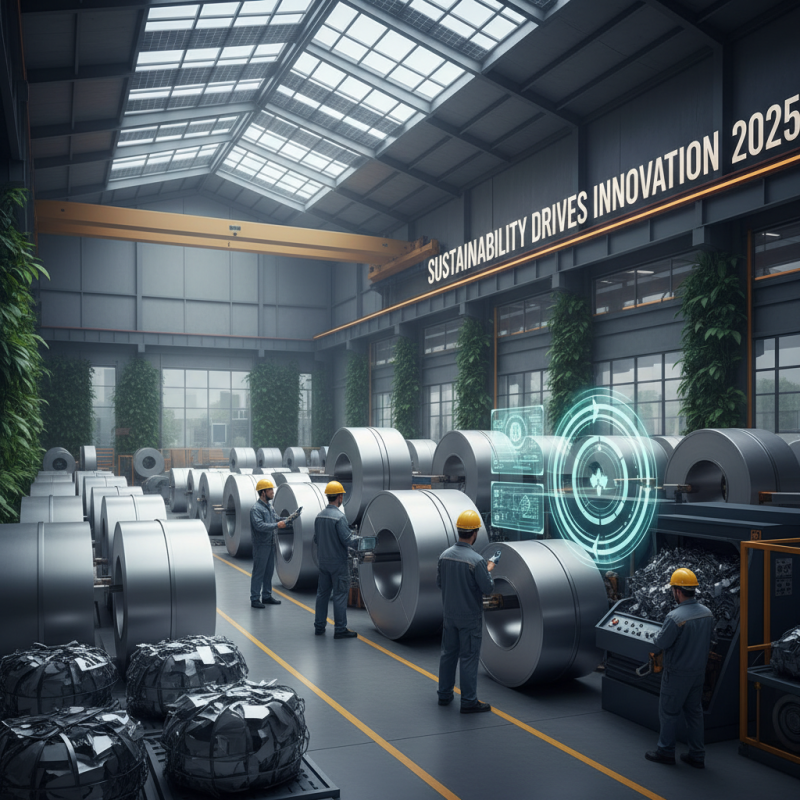
As the demand for stainless steel coil continues to rise, the industry is undergoing a significant transformation driven by sustainability trends. In 2025, businesses in the manufacturing sector are increasingly prioritizing eco-friendly practices in their production processes. Recycling and reusing materials have become essential strategies, allowing manufacturers to minimize waste and reduce their carbon footprint. For instance, using recycled stainless steel not only conserves natural resources but also lowers energy consumption, making it a preferable option for environmentally conscious companies.
Furthermore, advancements in production technology are enhancing the sustainability of stainless steel coils. Innovations such as energy-efficient furnaces and eco-friendly coatings are being adopted to curb emissions and energy usage significantly. These technologies not only align production with global sustainability goals but also create a competitive advantage for manufacturers focused on green initiatives. As industries across the board recognize the importance of sustainable practices, the integration of these trends into stainless steel coil production is expected to gain momentum, ultimately shaping the future of the industry.
Future Applications of Stainless Steel Coils in Construction and Infrastructure
The future applications of stainless steel coils in construction and infrastructure are poised to revolutionize the industry, drawing on their unique properties of durability and resistance to corrosion. As cities expand and the demand for sustainable materials increases, stainless steel coils are becoming essential in building frameworks, roofing systems, and façade designs. Their lightweight yet strong nature allows for innovative architectural designs, facilitating larger spans and more open spaces within structures while maintaining safety and integrity.
Moreover, stainless steel coils play a critical role in infrastructure projects, particularly in the development of transportation systems such as bridges and tunnels. Their exceptional resistance to environmental factors makes them ideal for use in areas prone to extreme weather and marine exposure. This not only enhances the longevity of the structures but also reduces maintenance costs over time. Additionally, the resource-efficient nature of stainless steel production aligns well with green building practices, as it can contribute to achieving higher sustainability ratings in construction projects. Thus, as stakeholders increasingly prioritize eco-friendly materials, the utilization of stainless steel coils in construction and infrastructure is set to grow significantly in the coming years.
Market Analysis: Growth Opportunities for Stainless Steel Coil Usage
The stainless steel coil market is poised for significant growth in the coming years,
driven by its increasing applications across various industries. According to a recent market analysis report by
Research and Markets, the global stainless steel coil market is projected to reach
USD 54.5 billion by 2025, growing at a compound annual growth rate
(CAGR) of 4.2% from 2021 to 2025. This growth is attributed to the
rising demand for stainless steel coils in sectors such as automotive,
construction, and consumer goods, where
durability and corrosion resistance are paramount.
One of the critical growth opportunities lies in the construction industry,
where stainless steel coils are increasingly used for architectural elements and infrastructural developments.
The World Steel Association reports that the construction sector accounts for
approximately 50% of stainless steel consumption, driven by innovations in
sustainable building materials. Furthermore, the automotive industry is
undergoing a transformation with the shift towards
electric vehicles (EVs), which utilize stainless steel for its
lightweight and strength properties, ultimately enhancing vehicle efficiency.
This trend is expected to propel the demand for stainless steel coils, opening new avenues for
manufacturers and suppliers in this evolving market landscape.