In 2026, global buyers will face a wider Stainless Steel Coil market, but not an easier one. Grades, finishes, widths, and delivery conditions vary sharply by application. A bright 304 coil may suit kitchen equipment, while 316L offers stronger resistance around saltwater, chlorides, and chemical processing. The choice is rarely simple.
The International Stainless Steel Forum’s production statistics show stainless steel remains a major global engineering material. Its reports also reveal changing regional output, demand pressure, and uneven recovery across markets. The World Stainless Association continues highlighting stainless steel’s durability, recyclability, and long service life. Meanwhile, MEPS and SMR market reports track volatile nickel, chromium, energy, and freight costs. These factors directly influence coil prices and lead times. Data changes quickly.
Metallurgist J. R. Davis states, “Stainless steels are iron-based alloys containing a minimum of about 10.5% chromium.” This basic definition matters when buyers compare 201, 304, 316L, 430, duplex, and precipitation-hardening coils. Chromium supports passivation. Nickel improves ductility and corrosion resistance. Molybdenum strengthens performance in chloride environments.
A practical buyer still needs more than a grade name. Check ASTM or EN compliance, thickness tolerance, surface finish, edge condition, coil weight, and test certificates. Ask for heat numbers. Confirm whether the material is annealed, pickled, bright annealed, or cold rolled.
Some purchasing guides rank 304 first. That can be misleading. The cheapest coil may create higher maintenance costs later. A scratched surface, inconsistent flatness, or uncertain documentation can disrupt fabrication. The 2026 market will reward careful comparison, not fast assumptions.
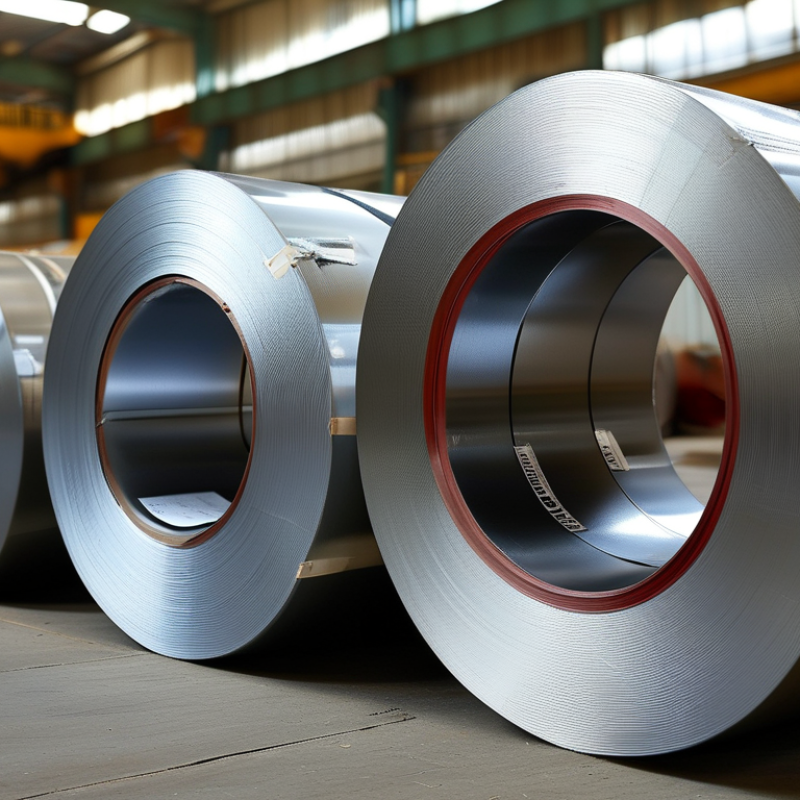
Stainless steel coil is a flat, rolled product supplied in continuous lengths. Its grade, thickness, surface, and edge condition shape its performance. Common choices include 304 for general corrosion resistance, 316L for chloride exposure, and 430 for indoor applications. The right type depends on service conditions, not popularity. A kitchen environment is different from a coastal processing area.
Global buyers should confirm the material standard before requesting prices. ASTM, EN, and JIS specifications may use different designations and testing requirements. Ask for the mill test certificate, chemical analysis, mechanical results, and heat number. Thickness tolerance matters too. A coil marked 1.00 mm may not suit precision forming if the tolerance is unclear. Check width, coil weight, inner diameter, surface finish, and packaging details. Small gaps in these records can create large production problems.
Surface finish should match the final use. A bright finish may expose scratches during transport, while a brushed surface can hide minor marks. Inspect sample photographs, but do not trust photographs alone. Request samples when appearance is critical. Buyers should also compare corrosion resistance, slitting quality, delivery terms, and inspection procedures. Local climate and port handling deserve attention. A sealed package is useful, yet poor storage can still cause staining. No checklist is flawless. Experienced purchasing teams review past defects and adjust their specifications instead of repeating convenient assumptions.
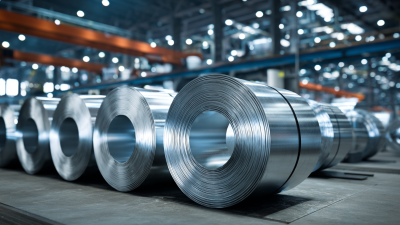
Stainless steel coil selection starts with grade, not appearance. The surface may look similar, but chemistry controls corrosion resistance, strength, forming, and cost. In practical purchasing, 304 remains the common starting point for kitchen equipment, tanks, architectural panels, and general fabrication. It forms well and handles ordinary indoor and outdoor exposure. Still, it can stain near saltwater or chemical fumes.
Grade 316 Grade 316 adds molybdenum for stronger resistance to chlorides. It suits marine fittings, pharmaceutical equipment, food-processing areas, and coastal construction. The price is higher. The service life may justify it.
Grade 201 Grade 201 uses less nickel and can reduce initial cost, but its corrosion performance varies with the environment. That trade-off deserves careful review, especially for humid installations.
Grade 430 Grade 430 is a ferritic stainless steel with magnetic behavior. Buyers often use it for appliance panels, exhaust components, and decorative indoor parts. It offers useful heat resistance, though it is less suitable for severe chloride exposure.
Duplex 2205 Duplex 2205 provides higher strength and strong resistance to stress corrosion cracking. It serves chemical tanks, pressure equipment, and demanding infrastructure.
Grade 904L Grade 904L is chosen for highly corrosive process conditions, but its forming and procurement requirements need experienced planning.
Coil thickness, temper, surface finish, and edge condition also affect performance. A technically correct grade can still fail when welding, cleaning, or storage is poorly controlled. Small details matter. Testing certificates and application records should support the purchase, not replace engineering judgment.
For global buyers, stainless steel coil selection starts with the rolling process. Cold-rolled coil passes through additional reduction after hot rolling. It offers tighter thickness control, smoother surfaces, and stronger shape consistency. These features suit food equipment, medical housings, appliances, and visible architectural panels. The International Stainless Steel Forum reported global stainless crude steel production of about 58.4 million tonnes in 2023. This scale shows strong supply, but quality still varies between mills.
Hot-rolled coil is thicker, less reflective, and usually more economical for structural parts, tanks, and industrial fabrication. Its rougher surface can reduce finishing costs when appearance is not critical. Coated coil adds a protective or decorative layer, such as paint, polymer film, or PVD treatment. It may improve color stability and handling resistance, but coating adhesion depends on surface preparation. A coating is not a substitute for corrosion-resistant steel. That mistake is still common.
Tips: Ask for the grade, thickness tolerance, surface finish, coating type, and test certificate. Check ASTM A480/A480M or EN 10088 requirements before purchase. Request salt-spray or adhesion data when the coil faces humidity, chemicals, or outdoor exposure. Think beyond price. A cheaper hot-rolled coil may require extra polishing, while coated material can suffer scratches during slitting. I would also verify coil weight and edge condition, because small deviations can disrupt automated lines. Perfect assumptions rarely survive production.
Cold-rolled stainless steel coil is commonly selected for thinner gauges and smoother 2B or BA surfaces. Hot-rolled coil is generally preferred for heavier sections and applications where a No. 1 finish is acceptable. Coated stainless steel coil adds a protective or decorative layer and is typically purchased within thinner-to-medium gauge ranges. The thickness ranges shown are indicative market purchasing ranges rather than universal standard limits; actual availability depends on grade, width, finish, coating system, and mill capability.
Stainless steel coil selection starts with the working environment, not the product label. A 304 coil suits many food-processing and general fabrication applications. A 316L coil offers stronger resistance in chloride-rich conditions, while 430 remains practical for indoor decorative parts. These categories help, but they do not decide everything.
Surface finish changes both appearance and performance. A 2B finish provides a smooth, functional surface for formed components. Brushed finishes can hide fingerprints and light scratches, but directional marks may expose poor handling. Mirror finishes demand careful packaging and stricter inspection. It looks simple. It is not.
Thickness affects forming, weight, stiffness, and cutting accuracy. Thin coil can reduce material use, yet it may wrinkle during bending or show dents quickly. Thick coil supports structural parts but increases shipping weight and tool pressure. Width also matters. A wider coil can reduce welding and cutting waste, although it may exceed a processor’s line capacity.
Buyers should confirm actual tolerances, edge condition, and coil weight before ordering. Requesting mill test certificates and surface samples improves traceability.
I have seen projects fail because the stated thickness was acceptable, but the width tolerance caused costly trimming. Specifications should be reviewed against the real machine, not only the drawing.
2026 Top Stainless Steel Coil Types for Global Buyers?
Quality Standards, Sourcing Risks, and 2026 Market Trends
In 2026, 304 and 316L coils remain practical choices for general fabrication and corrosive environments. Duplex 2205 offers higher strength, but requires tighter welding control. Grade 430 suits indoor appliances and decorative panels at lower cost. Food equipment often demands clean surfaces, stable chemistry, and reliable forming performance. The best grade depends on exposure, temperature, fabrication method, and service life.
Quality checks should go beyond a mill certificate. Buyers need heat numbers, chemical analysis, tensile results, thickness records, and surface inspection reports. ASTM A240 and EN 10088 references help, but acceptance details still need written agreement. Check coil width, edge condition, flatness, inner diameter, and actual coil weight. A certificate can look complete. Traceability may still be weak.
Sourcing risk is rising with nickel volatility, freight changes, and uneven production capacity. Sample testing before shipment can expose mixed heats, rough polishing, or inaccurate gauges. In 2026, buyers will likely request lower-carbon production data, recycled content evidence, and digital traceability. These trends sound promising, yet data quality varies widely. Do not trust a sustainability claim without measurable boundaries. Small errors become expensive after slitting, forming, and delivery delays.
| Stainless Steel Coil Type | Typical Chemical Range mass %, indicative |
Common Product Standards | Typical Mechanical Reference | Corrosion & Heat Performance | Typical Applications | Useful Coil Finishes | Key Quality Checks | Main Sourcing Risks | 2026 Market Relevance |
|---|---|---|---|---|---|---|---|---|---|
| 304 / 304L Austenitic | Cr 18.0–20.0; Ni 8.0–10.5; C ≤0.08 for 304 and ≤0.03 for 304L | ASTM A240/A480; EN 10088-2; JIS G4304/G4305 | Annealed tensile strength commonly ≥515 MPa; yield strength commonly ≥205 MPa under ASTM reference conditions | Good general atmospheric and food-service corrosion resistance; not preferred for high-chloride or warm seawater exposure | Food equipment, kitchen systems, architectural panels, tanks, general fabrication | 2B, BA, No. 3, No. 4, No. 8, hot-rolled pickled | PMI chemistry verification, thickness and width tolerance, surface inspection, flatness, tensile test, intergranular-corrosion testing when specified | Nickel-price volatility; substitution with lower-nickel grades; mixed surface finish or off-spec coil traceability | Expected to remain the broadest global demand base because of balanced cost, formability and availability |
| 316L Austenitic | Cr 16.0–18.0; Ni 10.0–14.0; Mo 2.0–3.0; C ≤0.03 | ASTM A240/A480; EN 10088-2; JIS G4304/G4305 | Annealed tensile strength commonly ≥485 MPa; yield strength commonly ≥170 MPa under ASTM reference conditions | Higher resistance to pitting and crevice corrosion than 304 in chloride-bearing environments; low carbon supports welded service | Chemical processing, marine hardware, medical equipment, coastal architecture, pharmaceutical systems | 2B, BA, No. 4, polished, hot-rolled pickled | Molybdenum and nickel assay, PMI, weld-zone corrosion requirements, surface cleanliness, salt-spray or immersion testing where contractually required | Molybdenum and nickel cost swings; false 316/316L claims; chloride performance overstated without exposure-specific design review | Strategically important for water, marine, chemical and infrastructure projects, with cost sensitivity tied to molybdenum availability |
| 430 Ferritic | Cr 16.0–18.0; Ni generally ≤0.75; C commonly ≤0.12 | ASTM A240/A480; EN 10088-2; JIS G4304/G4305 | Annealed tensile strength commonly ≥450 MPa; yield strength commonly ≥205 MPa, depending on specification | Good oxidation resistance for moderate temperatures; lower ductility and lower chloride resistance than 304/316L | Appliance panels, automotive trim, kitchen equipment, decorative components, indoor architectural work | 2B, BA, No. 4, brushed and decorative finishes | Magnetic response, chromium content, forming and bend tests, surface waviness, ridging, staining resistance | Buyers may specify it for applications requiring austenitic-grade forming or corrosion resistance; finish defects can be highly visible | Cost-efficient option when nickel reduction is a priority; demand remains linked to appliances, automotive trim and indoor construction |
| 201 Austenitic | Cr 16.0–18.0; Ni 3.5–5.5; Mn 5.5–7.5; N commonly added; exact limits depend on standard | ASTM A240 where the specified grade is covered; EN 10088-2 equivalents; JIS or regional specifications must be checked carefully | Mechanical values vary significantly by product condition and specification; verify the exact standard rather than relying on grade name alone | Useful general corrosion resistance in mild indoor environments; typically less resistant than 304 in chloride, acidic or coastal conditions | Decorative products, indoor equipment, sinks, light fabrication and cost-sensitive consumer goods | 2B, BA, No. 4 and decorative polished finishes | Full chemistry by PMI, magnetic permeability, corrosion suitability review, hardness, elongation, finish consistency and clear grade marking | Mislabeling as 304; inconsistent chemistry; unsuitable use in coastal or chemical environments; variable local specifications | May gain share where buyers prioritize initial price, but technical substitution must be controlled by application and corrosion assessment |
| 321 Stabilized Austenitic | Cr 17.0–19.0; Ni 9.0–12.0; Ti ≥5×carbon and typically ≥0.30 | ASTM A240/A480; EN 10088-2; aerospace and pressure-equipment specifications may add requirements | Mechanical requirements depend on product form and specification; elevated-temperature design values require the applicable code | Improved resistance to sensitization after welding and better high-temperature service capability than standard 304 in suitable conditions | Heat exchangers, exhaust systems, furnace components, welded pressure equipment and aerospace-related fabrication | 2B, BA, hot-rolled pickled and engineered polished surfaces | Titanium-to-carbon ratio, intergranular corrosion testing, high-temperature mechanical requirements, weldability and heat-treatment records | Higher price and narrower supply base; incorrect substitution with 304/304L; incomplete high-temperature documentation | Niche but resilient demand from energy, process equipment and thermal-service applications requiring documented performance |
| 2205 Duplex | Cr 22.0–23.0; Ni 4.5–6.5; Mo 3.0–3.5; N 0.14–0.20 | ASTM A240/A480; EN 10088-2; project specifications often reference duplex corrosion and phase-balance requirements | Typical minimum yield strength around 450 MPa and tensile strength around 620 MPa under common standards; verify exact condition | High resistance to chloride stress-corrosion cracking and pitting; generally stronger than 304/316L but with more demanding fabrication control | Oil and gas, desalination, offshore structures, chemical tanks, pulp and paper, high-pressure piping | 2B, hot-rolled pickled, precision slit and project-specific polished surfaces | Ferrite/austenite phase balance, solution-annealing records, impact testing when required, PMI, pitting-corrosion testing and weld qualification | Heat-treatment errors, phase imbalance, limited forming knowledge, longer qualification cycles and higher documentation requirements | Strong long-term outlook in desalination, water treatment, offshore and chemical infrastructure because lifecycle performance can offset higher purchase cost |