What Are the Benefits of Using Cold Rolled Coils?
Cold Rolled Coils (CRCs) are essential in various industries, thanks to their superior properties. A recent report by MarketsandMarkets highlights that the global cold rolled steel market is expected to reach $130 billion by 2026, growing at a significant rate. This growth reflects the increasing demand for high-quality steel in automotive and construction sectors.
Industry expert Dr. Emily Nice emphasizes the importance of CRCs, stating, "Cold Rolled Coils improve strength and surface finish, making them ideal for critical applications." These coils possess tighter tolerances and a smoother finish than hot rolled alternatives. They are vital in producing components where aesthetics and precise dimensions matter.
Despite these advantages, challenges exist. Manufacturing CRCs involves sophisticated processes that require skilled labor and advanced technology. Additionally, fluctuating raw material prices can affect production costs. Addressing these issues is crucial for manufacturers to maintain their competitiveness in the market. The ongoing development in CRC technology offers hope for overcoming these challenges and maximizing benefits in various applications.
Understanding Cold Rolled Coils and Their Manufacturing Process
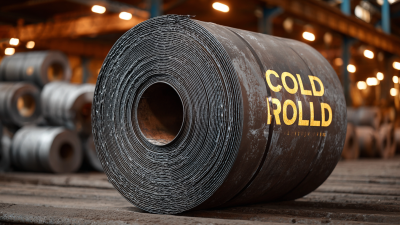
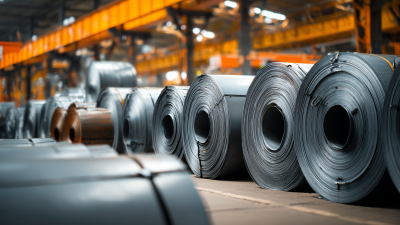
Cold rolled coils are essential in various industries. They undergo a specific manufacturing process that enhances their characteristics. The production involves taking hot rolled coils and processing them further through a series of rolling operations at room temperature.
This process not only improves surface finish but also increases strength and precision. According to the World Steel Association, cold rolled steel typically has a finer surface and higher dimensional accuracy than its hot rolled counterpart. This is crucial for applications in automotive and construction sectors, where precision is vital. The demand for cold rolled products has seen a steady rise, with a growth rate of around 5% annually in the last decade, according to industry reports.
However, the manufacturing process of cold rolled coils is not without its challenges. The need for tight tolerances can lead to increased waste if not managed properly. Additionally, the energy consumption during production can be higher than desired. Industry experts suggest that optimizing these processes can result in better efficiency and lower costs. It's important to continuously evaluate these aspects to improve the overall production and to reduce the environmental footprint.
What Are the Benefits of Using Cold Rolled Coils?
| Benefit |
Description |
| Improved Surface Finish |
Cold rolled coils have a smoother surface finish compared to hot rolled coils, making them ideal for applications requiring aesthetic appeal. |
| Tighter Tolerances |
The cold rolling process allows for tighter tolerances, which is crucial in precision engineering and manufacturing components. |
| Higher Strength |
Cold rolled coils typically exhibit greater yield strength and tensile strength due to work hardening during the cold rolling process. |
| Better Formability |
Though they are stronger, cold rolled coils also maintain good formability, making them easy to shape and work with in various applications. |
| Versatile Applications |
These coils are used in a wide range of applications including automotive, constructions, appliances, and furniture due to their properties. |
| Cost-Effective |
While the initial cost may be higher than hot rolled materials, the durability and performance gains of cold rolled coils make them a cost-effective solution in the long run. |
Key Advantages of Cold Rolled Coils in Various Applications
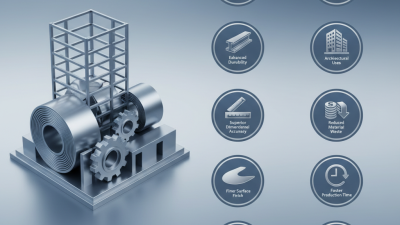
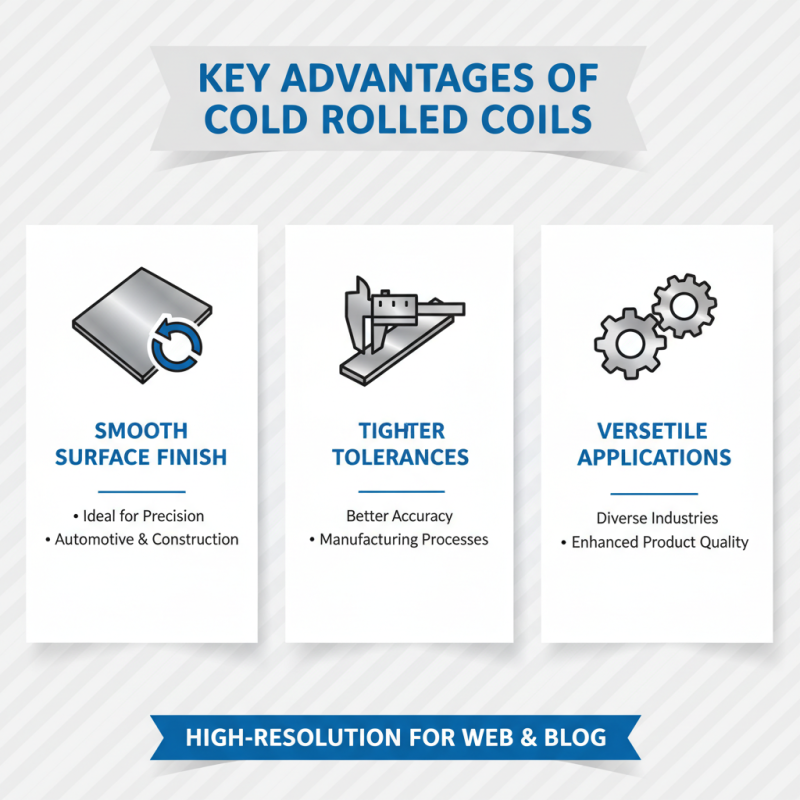
Cold rolled coils are widely used in various applications due to their numerous benefits. One significant advantage is their smooth surface finish. This quality makes them ideal for precision applications. Industries such as automotive and construction rely on this feature. Cold rolled coils provide better tolerances than hot rolled products. This ensures high accuracy in manufacturing processes.
The strength of cold rolled coils is another key benefit. These coils have higher yield strength than hot rolled varieties. This allows for thinner materials while maintaining durability. For manufacturers, this means less weight and reduced costs. Design flexibility is enhanced, too. Cold rolled coils can be easily shaped into complex parts.
**Tip:** Always check the material specifications to ensure it meets your project needs. Testing your materials can help avoid future design flaws.
Overall, cold rolled coils serve various industries effectively. Their consistent quality and versatility make them a preferred choice. However, challenges exist. The manufacturing process can introduce residual stresses, which might affect performance. Being aware of these factors is essential for optimal use.
**Tip:** Partnering with experienced suppliers can mitigate some of these risks. They can provide valuable insights and recommendations.
Comparative Analysis: Cold Rolled vs. Hot Rolled Coils
Cold rolled coils and hot rolled coils serve distinct purposes in the manufacturing industry. Cold rolled coils undergo a process that enhances their strength and surface finish. According to industry reports, cold rolled coils typically exhibit a tensile strength that is 20-30% higher than their hot rolled counterparts. This makes them ideal for applications requiring durability.
On the other hand, hot rolled coils are produced at higher temperatures. Their processing is less energy-intensive, leading to lower production costs. However, they can have a rougher surface. The choice between the two often comes down to specific project requirements. A study showed that up to 40% of manufacturers prefer cold rolled coils for applications in automotive and appliance sectors due to their superior surface finish and precision.
It’s noteworthy that while cold rolled coils provide enhanced properties, their production can consume more energy. This raises questions about sustainability. Additionally, the availability of certain alloys may be limited for cold rolled options. Balancing quality and environmental impact remains a challenge for manufacturers. These factors make it essential for decision-makers to weigh the benefits and challenges of both types of coils.
Economic Benefits of Using Cold Rolled Coils in Production
Cold rolled coils have become a staple in various manufacturing sectors due to their economic advantages. These coils offer improved dimensional accuracy and a smoother surface finish compared to hot rolled options. According to a report by the International Steel Association, cold rolled steel can exhibit a yield strength that is 20% higher than that of hot rolled steel, making it ideal for precision applications.
In production settings, the efficiency of cold rolled coils can lead to significant cost savings. A study indicated that using cold rolled coils instead of hot rolled coils can reduce scrap rates by up to 15%. By minimizing waste, manufacturers can enhance their overall profitability. Moreover, the improved quality of finished products can reduce the frequency of rework, further decreasing production costs.
However, it is essential to note that the initial investment for cold rolled materials can be higher. Companies must weigh the upfront costs against long-term savings. While the benefits are clear, a careful analysis of specific production demands is crucial. Understanding the nuances of material properties helps in making informed decisions that align with budget constraints. Adopting cold rolled coils offers a pathway to greater efficiency but requires thoughtful evaluation by manufacturers to fully realize those benefits.
Environmental Impact of Cold Rolled Coils: A Sustainable Choice
Cold rolled coils are increasingly recognized for their environmental benefits. A key aspect of their sustainability is the
reduction of material waste during production. This process utilizes less energy, which lowers greenhouse gas emissions.
Compared to other manufacturing methods, cold rolling can be more efficient, leading to a smaller carbon footprint.
Using cold rolled coils also promotes recycling. These materials can be repurposed without losing quality. This aspect can significantly decrease the demand for new raw materials.
Moreover, the durability of cold rolled products means they last longer, contributing to less frequent replacements in construction and manufacturing.
However, it’s essential to reflect on the entire lifecycle of these materials, including their sourcing and transportation, to ensure true sustainability.
Despite these advantages, challenges remain. The cold rolling process itself may still consume energy, and updates in technology are needed to improve efficiency further.
There are also concerns about the environmental impacts of mining raw materials. Addressing these issues is crucial for enhancing the overall sustainability of cold rolled coils.
Continuous innovation and responsible practices will be necessary to maximize their benefits while minimizing their ecological footprint.