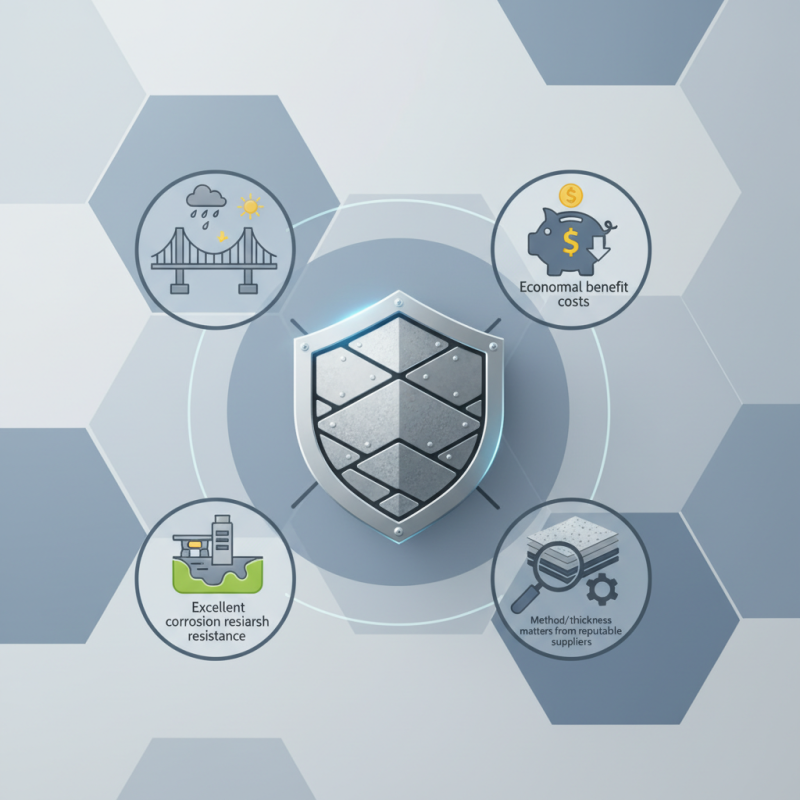
In recent years, the use of galvanized plates has gained popularity in various projects. These plates are steel sheets coated with zinc, providing excellent corrosion resistance. This feature makes them ideal for outdoor and industrial applications where durability is essential. Projects often require materials that can withstand harsh conditions, and galvanized plates meet this challenge effectively.
Another advantage of using galvanized plates is their economical benefit. The longevity of galvanized steel can reduce maintenance costs in the long run. However, it is important to consider that not all projects will benefit equally from this material. Assessing the specific requirements of each project is crucial. While galvanized plates provide many advantages, they may not suit every application.
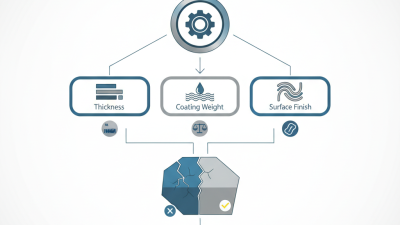
Moreover, quality matters when choosing galvanized plates. The method of galvanization and the thickness of the zinc coating can impact performance. It’s essential to source these materials from reputable suppliers to ensure their effectiveness. Understanding these factors can lead to more informed decisions, enhancing project success.
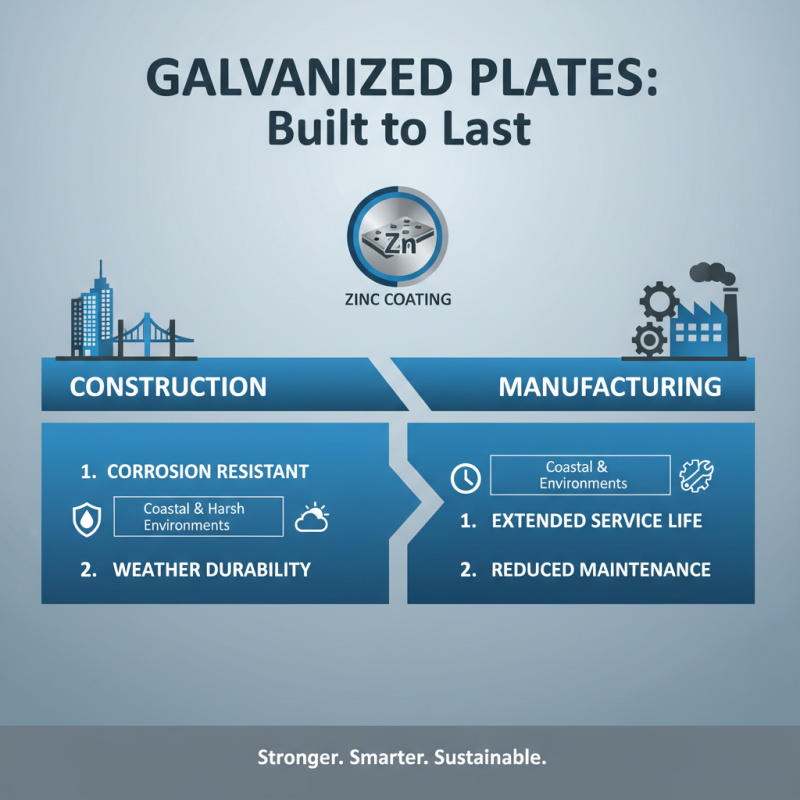
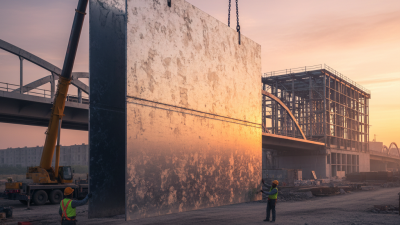
Galvanized plates are increasingly favored in construction and manufacturing due to their unique properties. They are coated with a layer of zinc, which provides excellent corrosion resistance. This means structures can withstand harsh weather and harsh environments. For instance, in coastal regions, galvanized plates hold up against saltwater corrosion better than many alternatives.
In terms of durability, galvanized plates have a longer lifespan compared to uncoated materials. Their strength makes them ideal for structural applications. However, this durability can sometimes lead to over-engineering. Not every project requires such robust materials. It’s essential to evaluate the need based on specific job requirements, as over-reliance on galvanized plates can inflate costs unnecessarily.
Another benefit is the lower maintenance requirement. Regular upkeep is minimal, allowing projects to operate efficiently. Yet, this also poses risks; neglecting occasional inspections can lead to unnoticed wear over time. Balancing the use of galvanized plates with careful project planning is crucial for achieving cost-effective and lasting results. Implementing a thoughtful approach will maximize the advantages of these materials.
Galvanized plates offer a remarkable advantage due to their durability and corrosion resistance. These plates are coated with zinc, which protects steel from rust. According to a study by the American Galvanizers Association, galvanized steel can last up to 50 years in moderate environments. This long lifespan reduces the need for frequent replacements, saving resources and costs.
Corrosion is a significant issue in various industries. A report by the National Association of Corrosion Engineers estimates that corrosion costs the economy over $276 billion annually. Using galvanized plates can mitigate these costs. Their zinc coating acts as a barrier against moisture and environmental elements, which are key contributors to corrosion. This reliability is crucial in sectors like construction and manufacturing.
However, it's worth noting that galvanized plates may not be suitable for all environments. In highly acidic or alkaline conditions, even galvanized coatings can fail over time. Users must assess their specific project needs and environmental conditions carefully. A balanced approach to using galvanized plates can lead to improved project durability while considering potential limitations.
| Benefit | Description |
|---|---|
| Durability | Galvanized plates are highly resistant to wear and tear, ensuring a long lifespan in various applications. |
| Corrosion Resistance | The zinc coating provides excellent protection against rust and corrosion, especially in harsh environments. |
| Low Maintenance | Galvanized plates require minimal upkeep over time, reducing overall maintenance costs. |
| Cost-Effectiveness | They provide a cost-effective solution due to their durability and long service life, saving money on replacements. |
| Versatility | Galvanized plates can be used in various applications, including construction, automotive, and manufacturing. |
When considering materials for projects, galvanized plates offer notable cost-effectiveness. These plates are coated with zinc, which enhances their resistance to rust and corrosion. This longevity reduces the need for frequent replacements, saving both money and time over the long run. Builders and manufacturers appreciate how this durability translates into fewer maintenance costs, making galvanized materials an attractive option.
The initial investment in galvanized plates may seem higher compared to alternatives. However, the total lifecycle cost often proves to be lower. Their durability means fewer repairs and replacements. This aspect can benefit both small-scale projects and large industrial applications. Over time, as these materials endure varying weather conditions, the cost-effectiveness becomes more apparent. Yet, it’s essential to consider that not all projects require the same level of durability. Choosing the right material should align with the specific needs of each project to avoid unnecessary expenditures.
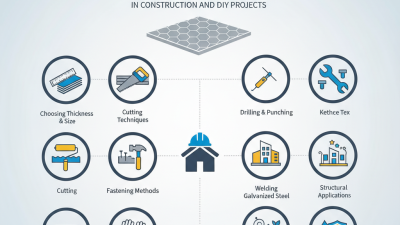
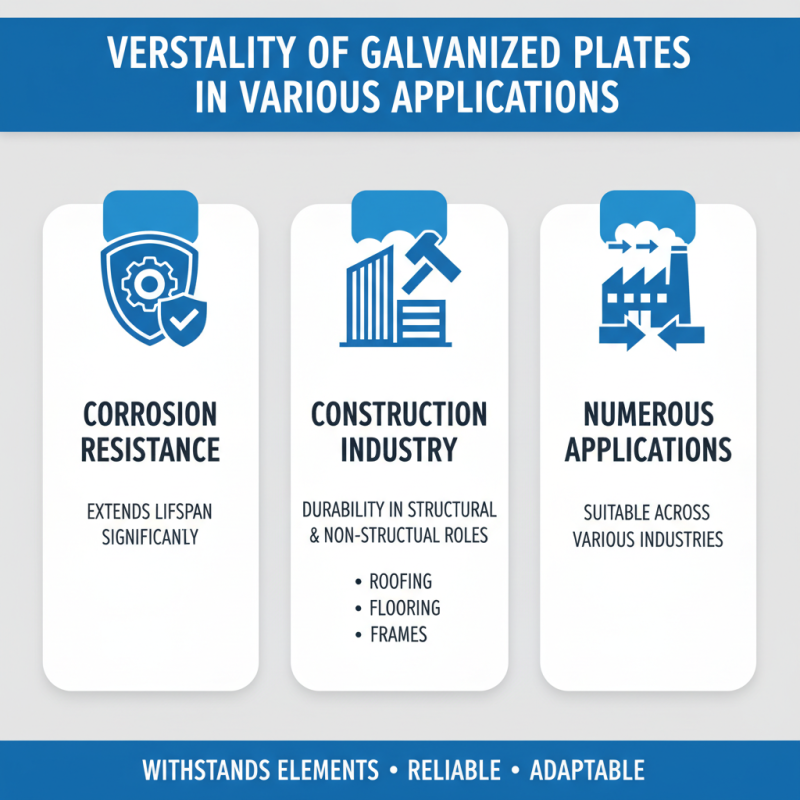
Galvanized plates are remarkably versatile, making them suitable for numerous applications across various industries. Their primary benefit is their resistance to corrosion, which extends their lifespan. In construction, these plates provide durability in both structural and non-structural roles. For instance, they can be used in roofing, flooring, and even frames, ensuring that buildings can withstand the elements for years.
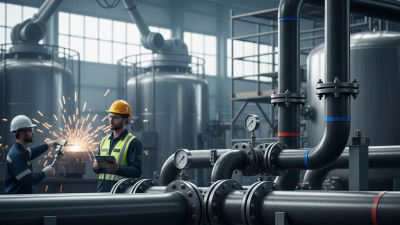
In the manufacturing sector, galvanized plates are utilized in creating pipes, automotive parts, and appliances. The coating not only protects against rust but also reduces maintenance costs over time. Even in agricultural settings, these plates serve practical functions. They can be found in fencing, silos, and storage solutions. The adaptability of galvanized plates to different environments is notable, but this versatility requires careful selection for specific needs.
However, there can be drawbacks. The thickness of the galvanization process can vary, affecting performance. Improperly chosen plates may not meet expected durability levels. While they are generally reliable, some projects may encounter issues if not assessed thoroughly. Engaging with experts during the planning phase can mitigate such risks. Exploring the nuances of galvanized plates ensures optimal use in industry-specific contexts.
Galvanized plates are increasingly recognized for their environmental advantages. They undergo a process that enhances their corrosion resistance, extending their lifespan. This durability means less frequent replacements and less waste. According to industry studies, galvanized products can last up to 50 years in harsh environments. This longevity significantly reduces the need for new materials and the associated environmental impacts of production.
Additionally, the process of galvanization uses zinc, which is abundant and recyclable. Reports indicate that over 90% of galvanized steel is recycled at the end of its life cycle. This supports a circular economy, minimizing the need for virgin materials. However, it's essential to balance this with the energy-intensive nature of the galvanization process itself. Some critics argue that while the end result is beneficial, the initial environmental cost should be carefully considered.
While galvanized plates offer many benefits, the environmental impact of zinc mining raises questions. The extraction process can harm local ecosystems. It is vital to adopt responsible sourcing practices to mitigate these effects. Industry experts recommend exploring alternatives and advancements to improve sustainability further. Efforts in innovation can lead to future solutions that enhance the benefits of using galvanized materials without compromising the planet.