Top 10 Benefits of Using Stainless Steel Pipes in Industrial Applications
In recent years, the industrial landscape has witnessed a significant shift towards the adoption of advanced materials, with stainless steel pipes standing out for their exceptional performance and versatility. According to a report by Grand View Research, the global stainless steel pipe market is projected to reach $15.5 billion by 2027, driven by increasing demand in sectors such as oil and gas, construction, and chemical processing. This growing adoption is largely due to the numerous benefits stainless steel pipes offer, including superior corrosion resistance, high strength-to-weight ratio, and excellent thermal conductivity.
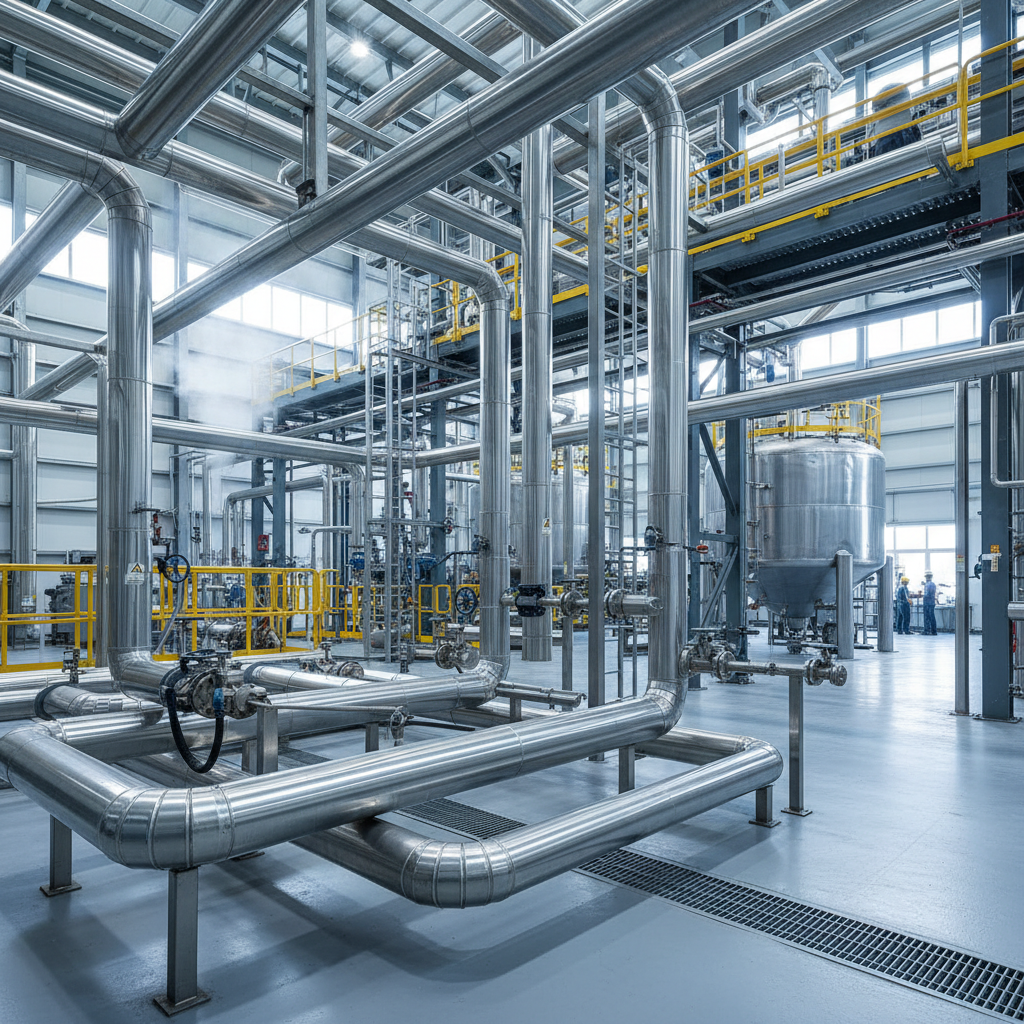
As industries strive for enhanced efficiency and sustainability, the advantages of stainless steel pipes become even more pronounced. A study from Smithers Pira highlights that stainless steel pipes can reduce maintenance costs by up to 30% compared to traditional materials, significantly impacting the bottom line for industrial applications. Additionally, the increasing focus on safety and regulatory compliance in various sectors has led to a preference for materials that not only meet stringent standards but also contribute to longer lifespan and reduced environmental impact. In this context, the use of stainless steel pipes emerges as a strategic choice, ensuring both durability and reliability in demanding industrial environments.
Advantages of Stainless Steel Pipes: Corrosion Resistance in Harsh Environments
Stainless steel pipes are increasingly favored in industrial applications due to their remarkable corrosion resistance, particularly in harsh environments. A recent report highlights that the stainless steel seamless pipes market is projected to reach USD 5.15 billion by 2030, driven by industries that require reliable and durable piping systems. The inherent ability of stainless steel to withstand corrosive substances makes it a prime choice for sectors such as petrochemicals and wastewater treatment, where exposure to aggressive chemicals is prevalent.
Corrosion protection is critical for sustainable industrial operations. A review discussing the utilization of green inhibitors emphasizes their role in preventing pipeline steel corrosion, showcasing innovative methods that complement the properties of stainless steel. Additionally, the comprehensive assessment of corrosion in wastewater systems underlines the necessity for robust materials that can endure challenging conditions. The adaptability and longevity of stainless steel pipes not only contribute to efficiency improvements but also align with the industry's movement towards sustainability, promising a resilient future across various applications.
Enhanced Durability: The Longevity of Stainless Steel Pipes Compared to Alternatives
Stainless steel pipes are renowned for their exceptional durability, making them a preferred choice for various industrial applications. Unlike alternatives such as plastic or carbon steel, stainless steel exhibits remarkable resistance to corrosion, rust, and wear, ensuring a longer service life. This enhanced durability translates directly into reduced maintenance costs and downtime, as industries can rely on stainless steel pipes to withstand demanding conditions without frequent replacements. This resilience is particularly valuable in sectors that involve exposure to harsh chemicals or fluctuating temperatures.
Moreover, the longevity of stainless steel pipes is complemented by their performance characteristics. They maintain structural integrity under high pressure and temperature conditions, making them ideal for critical applications in industries ranging from manufacturing to energy. The ability to handle different environments without compromising performance further establishes stainless steel as a superior option. Overall, the advantages of using stainless steel pipes clearly highlight their role in enhancing operational efficiency and reliability in industrial settings.
Cost-Effectiveness: The Long-Term Savings of Using Stainless Steel in Industries
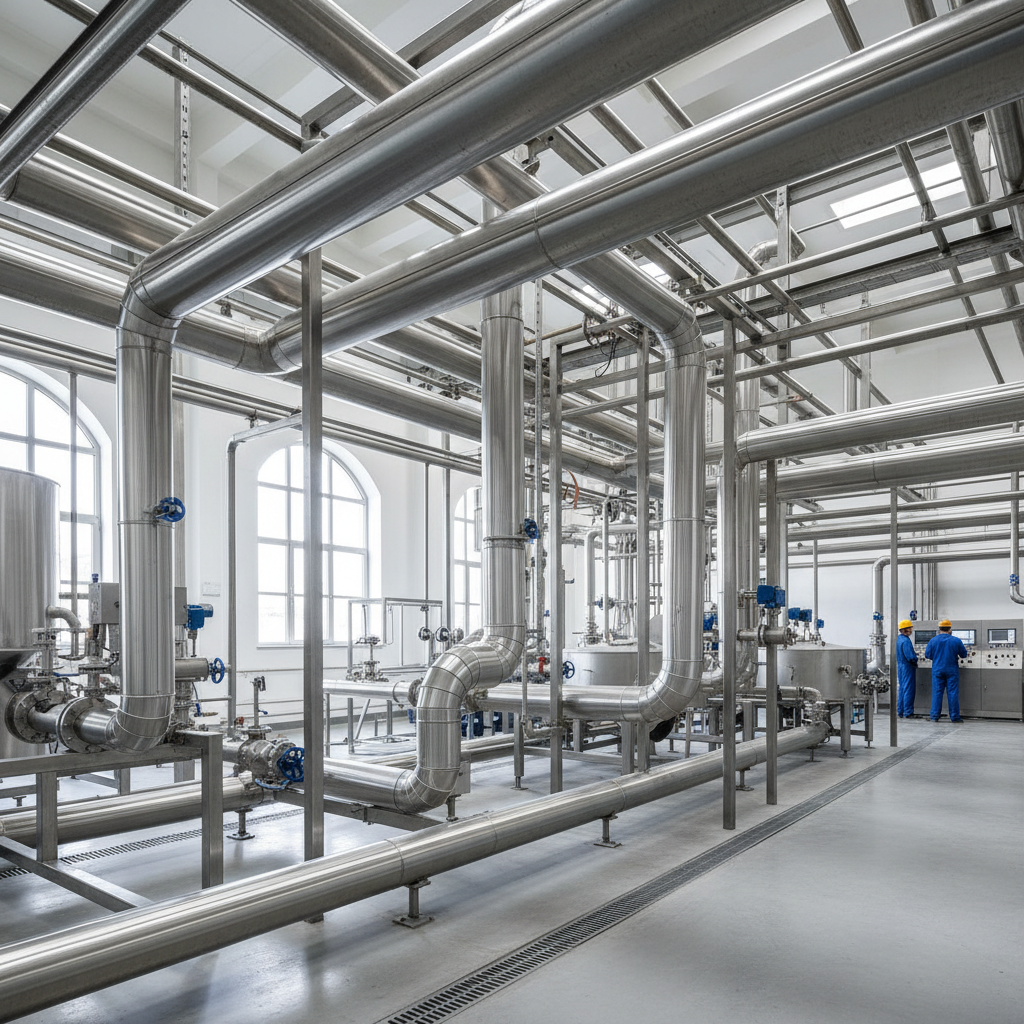
Industrial applications increasingly favor stainless steel pipes due to their remarkable cost-effectiveness. A comprehensive report by Grand View Research indicates that the global stainless steel market is projected to reach $209.5 billion by 2027, showcasing a growing recognition of its long-term economic benefits. Stainless steel pipes, known for their durability and resistance to corrosion, can significantly reduce maintenance and replacement costs over time. For example, while carbon steel may require frequent replacements or repairs, stainless steel can last up to three times longer in harsh environments, leading to substantial savings on lifecycle costs.
When considering the economic advantages of stainless steel, businesses should also factor in energy efficiency. According to the American Society of Mechanical Engineers, stainless steel’s thermal conductivity can enhance energy usage in industrial processes, resulting in lower operational costs. Additionally, since stainless steel is 100% recyclable, organizations can recover costs through scrap value, further improving their bottom line.
Tip: When selecting materials for piping systems, assess the total cost of ownership rather than just the initial purchase price. Investing in stainless steel might require a higher upfront cost but can yield significant savings over time.
Tip: Regularly monitor and evaluate your piping systems. Identifying and replacing subpar or corroded pipes early can prevent costly shutdowns and further maintenance expenses.
Hygienic Properties: The Importance of Cleanliness for Food and Pharmaceutical Applications
Stainless steel pipes are renowned for their hygienic properties, making them essential in industries where cleanliness is paramount, such as food processing and pharmaceuticals. The non-porous surface of stainless steel prevents the absorption of bacteria and contaminants, reducing the risk of contamination during production or storage. This characteristic is crucial in maintaining the integrity of food products and ensuring pharmaceutical preparations are sterile and safe for consumption or use.
Furthermore, the ease of cleaning and sanitization associated with stainless steel pipes enhances their suitability for hygienic applications. These pipes can withstand harsh cleaning chemicals and high-temperature sterilization processes without deteriorating. This durability ensures that strict hygiene standards can be consistently met, supporting regulatory compliance and consumer safety. The health-conscious nature of modern industries underscores the vital role of stainless steel in fostering an environment where cleanliness is respected and prioritized.
Sustainability: The Recyclability and Environmental Benefits of Stainless Steel Pipes
Stainless steel pipes are increasingly being recognized for their sustainability, largely due to their recyclability and minimal environmental impact. Made from a blend of iron, chromium, and other elements, stainless steel can be recycled innumerable times without losing its quality or properties. This closed-loop lifecycle significantly reduces waste, as old pipes can be repurposed into new products, easing the strain on natural resources and energy consumption required to produce virgin materials.
Moreover, the durability of stainless steel pipes contributes to their environmental appeal. With excellent resistance to corrosion and wear, these pipes have a long service life, minimizing the need for frequent replacements. This longevity not only cuts down on material waste but also reduces the energy needed for manufacturing, transporting, and disposing of alternative materials. Therefore, the use of stainless steel pipes aligns with sustainable practices, promoting a greener industrial landscape while supporting the principles of environmental stewardship.