Best Carbon Pipe Options for Superior Performance?
In the quest for superior performance, selecting the right materials is critical. Carbon pipes are a popular choice across various industries. Their high strength-to-weight ratio and durability make them ideal for numerous applications. According to a report by the Global Carbon Pipe Market, the demand for carbon pipes is expected to grow by 5.2% annually over the next five years.
Despite these advantages, there are challenges to consider. Not all carbon pipes meet the same standards. Some manufacturers may cut corners, resulting in inferior products. This poses risks in safety and performance. For instance, improper alignment or low-quality materials can lead to failures in critical installations. In such cases, the advantages of carbon pipes can be significantly diminished.
Professionals in the field suggest evaluating specifications carefully. Key factors include the grade of carbon used, manufacturing processes, and application requirements. These elements play a vital role in ensuring the desired performance level. The industry is shifting toward more rigorous testing standards, highlighting the need for awareness among consumers and engineers alike.
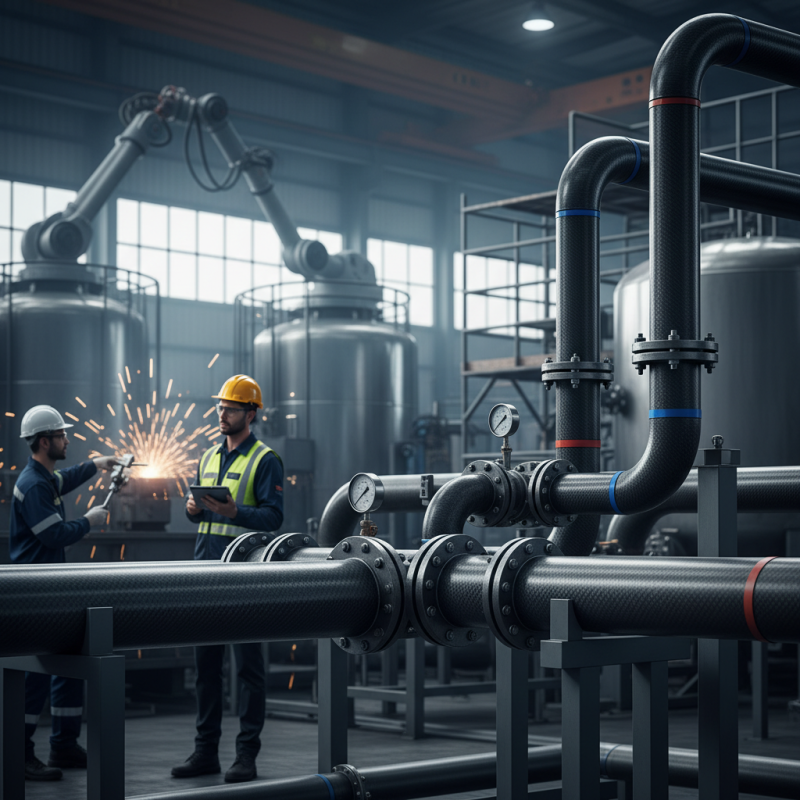
Understanding Carbon Pipe Materials and Their Types
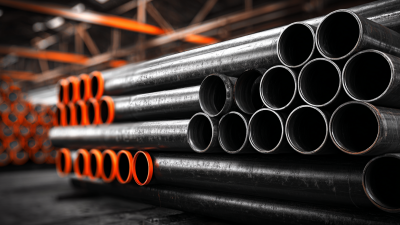
Carbon pipes are pivotal in many industries due to their lightweight and high strength. They typically come in different types: seamless, welded, and extruded. Each type serves unique applications, influenced by factors like pressure, temperature, and corrosiveness.
Seamless carbon pipes offer superior strength. They are often used in high-pressure environments. A recent industry report indicates that seamless pipes have up to 20% better strength retention compared to welded types. However, they're more expensive to produce. This might not always align with budget constraints for some projects.
Welded carbon pipes, on the other hand, present a cost-effective alternative. They can handle moderate pressures effectively. Nonetheless, the welding process introduces weaknesses. A study found that welded pipes can fail under elevated stress conditions after five years of use. It’s essential to assess the specific needs of your application carefully.
Best Carbon Pipe Options for Superior Performance
Comparative Analysis of Carbon Pipe Manufacturing Processes
When examining carbon pipe manufacturing processes, several methods stand out. These include the seamless process, the welded technique, and the casting approach. Each method has unique characteristics affecting performance. The seamless process offers strength and durability, appealing in high-pressure applications. However, it can be costlier and harder to produce in larger sizes.
Welded pipes provide flexibility and are often easier to fabricate. They are suitable for various applications, but weaknesses may arise at the weld seams. Over time, these seams can become points of failure if not handled properly. Casting, while less common, allows for complex shapes but risks defects in the finished product. This inconsistency raises concerns that manufacturers must address.
Choosing the best carbon pipe option requires understanding these processes. Each has its merits and drawbacks. Future advancements in technology might improve these processes. However, current manufacturing challenges still need to be solved. Identifying the right process is crucial for performance. Decisions should be based on thorough analysis. Each project might highlight different priorities, presenting opportunities for growth and improvement.
Best Practices for Selecting Carbon Pipes for Specific Applications
When selecting carbon pipes, understanding the specific application is crucial. Carbon pipes come with varying properties that affect performance. For instance, a study highlighted that more than 70% of structural failures stem from improper material selection. Therefore, assessing factors like tensile strength, corrosion resistance, and temperature tolerance is essential for optimal performance.
Tips: Consider the environment. Will the pipes be exposed to high temperatures or corrosive substances? This can drastically affect lifespan. A detailed analysis of application requirements is vital. Engineers often overlook specific stress factors, which can lead to costly failures.
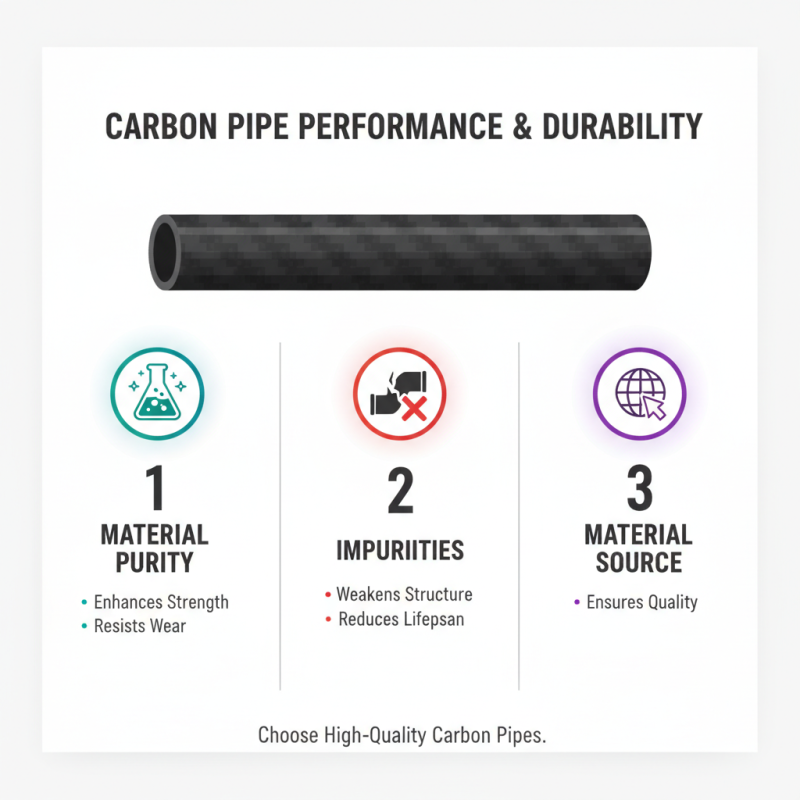
Quality matters. Not all carbon pipes are created equal. A report showed that varying manufacturing processes can lead to a 25% difference in durability. Always review certifications and material standards. The wrong choice can mean significant downtime or repairs in industrial settings. Understanding the nuances can empower better decisions.
Maintenance Tips for Enhancing Carbon Pipe Lifespan and Efficiency
Carbon pipes offer exceptional performance in various applications. However, to ensure they last longer and function efficiently, regular maintenance is essential. A study by the American Society of Mechanical Engineers indicates that consistent upkeep can extend the lifespan of carbon pipes by up to 30%. Simple practices, like periodic inspections, can prevent unexpected failures.
One effective maintenance tip is cleaning the pipes regularly. Dirt and debris accumulation can reduce efficiency. A buildup of contaminants may lead to pressure drops and increased wear. Many experts recommend using specialized cleaning solutions designed for carbon materials. This keeps the internal surfaces smooth and functioning optimally.
Another critical factor is monitoring the operating environment. Carbon pipes are sensitive to extreme temperatures. They should not exceed 250°F. When exposed to higher temperatures, the material may degrade faster. Insulation can be used to control temperature variations, enhancing efficiency. Regular checks for any signs of wear or damage are also crucial. Addressing even minor issues promptly prevents larger problems down the line, ensuring carbon pipes perform at their best.