2026 Best Stainless Steel Pipe for Global Buyers?
In the competitive landscape of the stainless steel pipe industry, buyers seek top-quality options for various applications. John Smith, a leading expert in metallurgy, states, "The right stainless steel pipe can enhance both durability and performance." His insights reflect the growing demand for reliable materials.
As we look toward 2026, the market for stainless steel pipes is evolving. Quality specifications play a crucial role, as industries are becoming more particular about their material choices. Stainless steel pipes offer corrosion resistance and strength, making them ideal for environments that require durability.
However, not all products meet the same standards. Some pipes may fall short on quality, leading to costly repairs. Buyers must navigate this complex landscape, seeking out trustworthy suppliers. They must evaluate options carefully, ensuring that they invest in reliable stainless steel pipes for their projects moving forward.
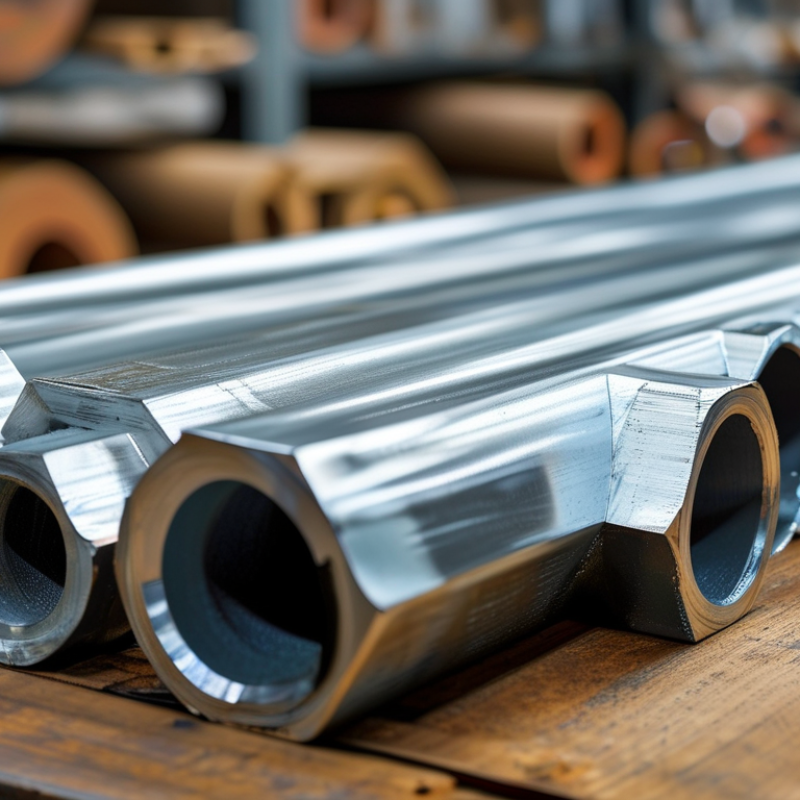
Overview of Stainless Steel Pipes and Their Applications
Stainless steel pipes are essential in various industries. They offer excellent corrosion resistance and durability. Applications range from construction to food processing. In the oil and gas sector, stainless steel pipes reduce the risk of leakage. Their high strength-to-weight ratio makes them ideal for high-pressure environments. According to industry reports, the global stainless steel pipe market is expected to reach $70 billion by 2026.
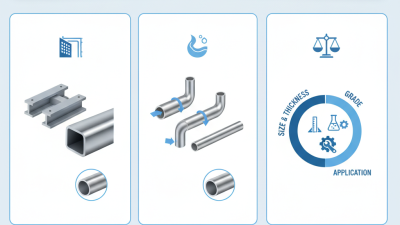
Tips for choosing the right type of stainless steel pipe include understanding the specific needs of your project. Not all stainless steel grades are suitable for every application. For instance, Grade 304 is common but may not withstand severe corrosive environments. It’s also important to consider pipe diameter and wall thickness based on the intended use.
Some buyers may overlook the importance of quality certification. Pipes that meet international standards ensure safety and reliability. However, not every supplier has the same level of expertise. Buyers should conduct thorough research and check reviews. Quality matters more than the lowest price.
Types of Stainless Steel Pipes Available in the Market
When it comes to stainless steel pipes, several types cater to diverse needs in various industries. The most common include seamless pipes, welded pipes, and specialty pipes like duplex or super duplex stainless steel. Seamless pipes, made from solid round steel, offer high strength and resistance to corrosion. Conversely, welded pipes are produced by joining two pieces of steel, making them suitable for less demanding applications. According to a recent market report, the global stainless steel pipe market is projected to grow by 5.5% annually through 2026.
In construction and oil and gas sectors, stainless steel pipes show excellent durability. However, they may not always be the best choice for every application. Environmental factors and specific fluid types can affect pipe longevity. For instance, not all stainless steel grades perform well in acidic environments. It’s crucial to consult with professionals to determine the right grade for your project.
**Tip:** Always consider the thickness and diameter of the pipe needed for your application.
**Tip:** Research the local environment where the pipes will be installed to avoid premature corrosion.
Key Factors to Consider When Selecting Stainless Steel Pipes
When selecting stainless steel pipes, several key factors demand attention. The pipe grade is crucial, as it determines the material's resistance to corrosion and temperature. According to a recent industry report, nearly 60% of stainless steel used in manufacturing is type 304 or 316. Type 316 offers enhanced corrosion resistance, making it suitable for harsh environments. Understanding the nuances of different grades can significantly impact long-term performance.
The diameter and wall thickness of the pipes are also vital. Specifications vary based on the intended application. For example, the American Society for Testing and Materials (ASTM) provides guidelines that dictate dimensions and tolerances. These standards ensure compatibility and reliability in various industries. Yet, achieving compliance can be challenging. Manufacturers must invest in the right equipment and training to meet these criteria.
Another consideration is the finish of the pipes. A smooth finish reduces turbulence and resistance in flow applications. Industry studies indicate that a polished interior can prevent buildup, enhancing efficiency. However, achieving the desired finish can require additional processing time and cost. Balancing performance and budget is often a point of contention for buyers. Each of these factors plays a role in ensuring the selected stainless steel pipes meet the specific needs of the application while adhering to industry standards.
Top Manufacturers of Stainless Steel Pipes in 2026
In 2026, the demand for stainless steel pipes continues to rise across various industries. Many buyers seek quality and durability. Sourcing from reputable manufacturers is critical. Quality assurance must be a priority for global buyers looking at sustainability and longevity.
When selecting stainless steel pipes, consider factors like material composition and manufacturing process. Pipes must pass rigorous testing to ensure strength and corrosion resistance. Certifications play a vital role in ensuring the pipes meet high standards.
Tips: Verify the manufacturer’s experience. Review customer feedback for insights. Look for suppliers with transparent policies regarding material sourcing. Uncertainty in supplier reliability may lead to project delays, a risk not worth taking. Effective communication with manufacturers can clarify specifications and lead to better outcomes. Aim for partnerships that foster trust and quality assurance.
2026 Best Stainless Steel Pipe for Global Buyers? - Top Manufacturers of Stainless Steel Pipes in 2026
| Material Grade |
Diameter (mm) |
Thickness (mm) |
Length (m) |
Applications |
Price (USD per meter) |
| 304 |
20 |
2 |
6 |
Food Processing, Chemical Industry |
150 |
| 316 |
25 |
3 |
6 |
Marine, Pharmaceutical |
200 |
| 321 |
30 |
2.5 |
6 |
High-Temperature Applications |
180 |
| Duplex |
40 |
4 |
6 |
Oil and Gas, Chemical Processing |
220 |
| 17-4 PH |
50 |
5 |
6 |
Aerospace, Military Applications |
250 |
Trends and Innovations in Stainless Steel Pipe Production
The stainless steel pipe industry is experiencing notable trends and innovations. According to a recent market report, the global stainless steel pipe market is projected to reach $35 billion by 2026. The demand for high-grade stainless steel, particularly in construction and automotive sectors, is driving this growth. Enhanced durability and corrosion resistance are preferred by end users, making stainless steel pipes the material of choice.
Manufacturers are adopting cutting-edge technologies to improve production efficiency. Techniques like laser welding and automated cutting are becoming standard. These innovations help reduce production costs while improving product quality. A report from the International Stainless Steel Forum highlighted that companies investing in these technologies reported a 20% increase in production output. Yet, there are challenges. The volatility in raw material prices poses a risk for sustainable operations.
Sustainability is a significant focus. More manufacturers are exploring recycled materials. Data from the Steel Research Institute noted that recycled stainless steel can reduce CO2 emissions by up to 60%. However, sourcing sustainable materials remains a complex issue. Many companies are still figuring out balance between profitability and environmental responsibility. As the industry evolves, stakeholders must remain adaptable.