China Top 10 Cold Rolled Coils Buyers Guide for Global Trade?
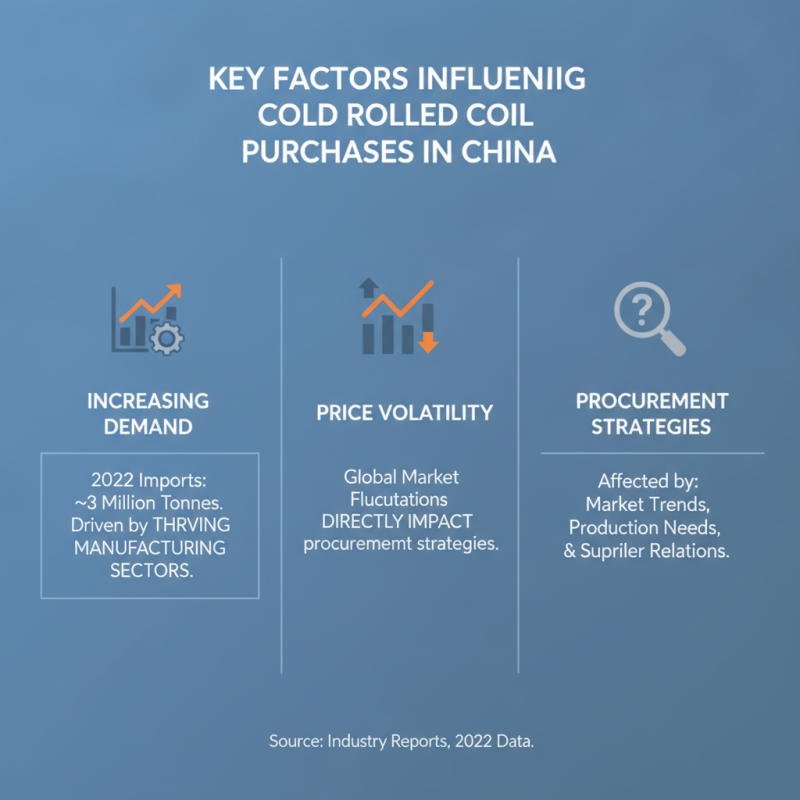
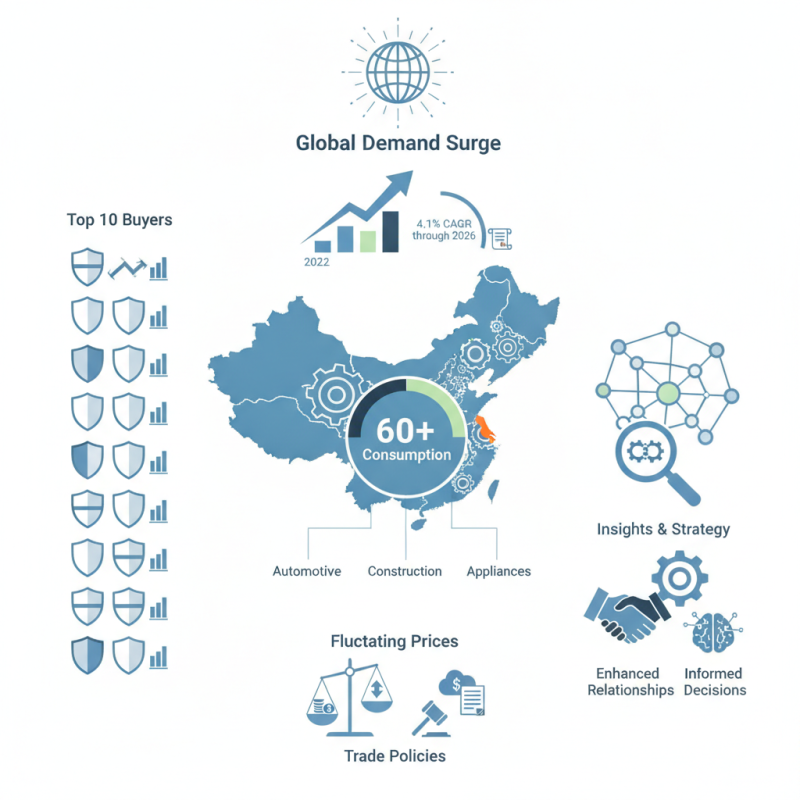
The global demand for Cold Rolled Coils has surged in recent years. As per the Global Steel Report from 2022, the cold-rolled steel market is projected to grow at a CAGR of 4.1% through 2026. China stands as a key player in this domain, with significant import volumes that shape international trade dynamics.
Understanding the Chinese market is crucial for global buyers. Cold Rolled Coils are widely used in automotive, construction, and appliance manufacturing. However, navigating this market requires insights into the top buyers. Reports indicate that major Chinese companies account for over 60% of cold-rolled coil consumption. Identifying these companies can streamline procurement strategies.
While opportunities abound, challenges exist too. Fluctuating prices and trade policies can impact the availability of Cold Rolled Coils. Buyers must remain vigilant and adaptable. Exploring the profiles of top buyers can provide clarity and enhance trade relationships. Making informed decisions based on reliable data is essential for success in this competitive landscape.
Overview of Cold Rolled Coils in the Global Market
Cold rolled coils play a significant role in the global steel market. According to a recent report by Steel Market Analytics, the global demand for cold rolled steel is projected to reach 160 million metric tons by 2025. This growth is fueled by various industries, including automotive, construction, and appliance manufacturing. These sectors require steel that offers superior surface finish and dimensional accuracy. The properties of cold rolled coils make them ideal for such applications.
China remains one of the largest producers of cold rolled coils, affecting global pricing trends. In 2022, China accounted for approximately 58% of the world's cold rolled steel output. However, this dominance raises questions about sustainability and environmental impact. The push for greener production processes has prompted several companies to explore innovative practices. Yet, the transition involves challenges, particularly in balancing production efficiency with environmental goals.
Moreover, the market is also influenced by geopolitical factors. International trade disputes and tariffs can alter the supply chain dynamics. In a recent analysis, it was noted that trade tensions have led to a 5% increase in cold rolled steel prices in affected regions. Buyers must navigate these uncertainties, ensuring a steady supply while mitigating risks. The complexities of global trade in cold rolled coils require informed decision-making and strategic planning.
China Top 10 Cold Rolled Coils Buyers Guide for Global Trade
Top 10 Buyers of Cold Rolled Coils in China: Profiles and Insights
When it comes to cold rolled coils in China, understanding the top buyers is crucial for any global trader. The landscape is diverse, with various industries reliant on these products. Automotive manufacturers often top the list, as they require high-strength steel for vehicle components. The need for quality and consistency is vital in this sector.
Another important segment is the construction industry. It significantly contributes to the demand for cold rolled coils. These materials are essential for structural applications, ensuring safety and durability in buildings. However, fluctuations in demand can pose challenges for traders.
Profiles of these buyers reveal insights into their purchasing habits. Many prefer suppliers who offer reliable delivery schedules and competitive pricing. Building strong relationships with buyers is beneficial. Yet, some importers still face issues with quality control and compliance. Addressing these challenges requires careful attention to detail and constant communication.
China Top 10 Cold Rolled Coils Buyers Guide for Global Trade
| Rank |
Buyer Type |
Commodity Volume (tons/year) |
Key Sourcing Markets |
Annual Revenue (USD millions) |
Established Year |
| 1 |
Automotive Manufacturer |
150,000 |
Domestic, Southeast Asia |
2500 |
1995 |
| 2 |
Construction Company |
120,000 |
Domestic, North America |
1500 |
2000 |
| 3 |
Electrical Equipment Supplier |
90,000 |
Domestic, Europe |
800 |
2010 |
| 4 |
Consumer Goods Manufacturer |
65,000 |
Domestic, South America |
600 |
2015 |
| 5 |
Heavy Machinery Manufacturer |
85,000 |
Domestic, Middle East |
950 |
2008 |
| 6 |
Shipbuilding Company |
75,000 |
Domestic, Asia-Pacific |
700 |
2002 |
| 7 |
Metal Fabrication Firm |
100,000 |
Domestic, Africa |
500 |
2011 |
| 8 |
Telecommunications Equipment |
55,000 |
Domestic, Europe |
450 |
2018 |
| 9 |
Aerospace Supplier |
60,000 |
Domestic, North America |
800 |
2012 |
| 10 |
Railway Manufacturer |
70,000 |
Domestic, Asia-Pacific |
900 |
2005 |
Guidelines for Negotiating with Chinese Cold Rolled Coil Suppliers
When negotiating with Chinese cold rolled coil suppliers, it's important to establish a rapport first. Building trust can lead to better deals. Language barriers may arise, so consider using clear and simple communication. This reduces misunderstandings and lays the groundwork for a solid working relationship.
Understanding market trends is crucial. Current demand for cold rolled coils fluctuates, affecting prices. Suppliers may be more flexible during slower periods. Researching these trends can provide leverage during negotiations.
Don’t shy away from discussing payment terms upfront. Discussing deposits, payment methods, and potential discounts can lead to clarity and prevent surprises later. Flexibility in negotiation can set the tone for future dealings. However, always be prepared for some back-and-forth. It’s common for both parties to have different expectations. A little patience can go a long way in reaching a satisfying agreement.
Trends and Future Outlook for Cold Rolled Coil Imports in China
China's cold rolled coil import market is evolving rapidly. Recent trends suggest a rise in demand driven by industries like construction and automotive. Buyers must stay informed about fluctuating prices and availability. The Chinese market relies heavily on international suppliers, making global relationships crucial.
Future projections indicate steady growth in imports. However, challenges persist, including trade policies and global supply chain issues. It’s essential to remain adaptable in sourcing strategies. Buyers may need to adjust forecasts based on political and economic changes. Keeping close tabs on market dynamics will be vital for making informed decisions.
Data reveals that quality continues to be a priority. Buyers should focus on suppliers with a strong reputation. It’s about balancing cost with reliability. Partnerships with verified manufacturers can enhance consistency. Reflecting on past import experiences can also guide future purchases.