China Top Round Pipe Suppliers for Global Importers Guide?
In the realm of global trade, Round Pipe has emerged as a significant product for various industries. As communication and construction needs evolve, the demand for high-quality round pipes continues to rise. Suppliers in China have cultivated a reputation for excellence. Their capabilities in producing diverse materials draw global importers seeking reliable partners.
Navigating the landscape of Chinese round pipe suppliers requires understanding their unique offerings. Each supplier presents distinct advantages, from product variety to pricing structures. Importers must evaluate the quality and specifications meticulously. Building relationships with suppliers is equally crucial. Trust and reliability are cornerstones in this partnership.
As the market landscape shifts, challenges persist. It’s essential for importers to remain vigilant and adaptive. Quality control lapses or communication breakdowns can derail supply chains. Thus, thorough research and proactive engagement are vital. By learning about the best suppliers, importers can mitigate risks and enhance their procurement strategies for round pipes.
Overview of China's Round Pipe Industry and Market Trends
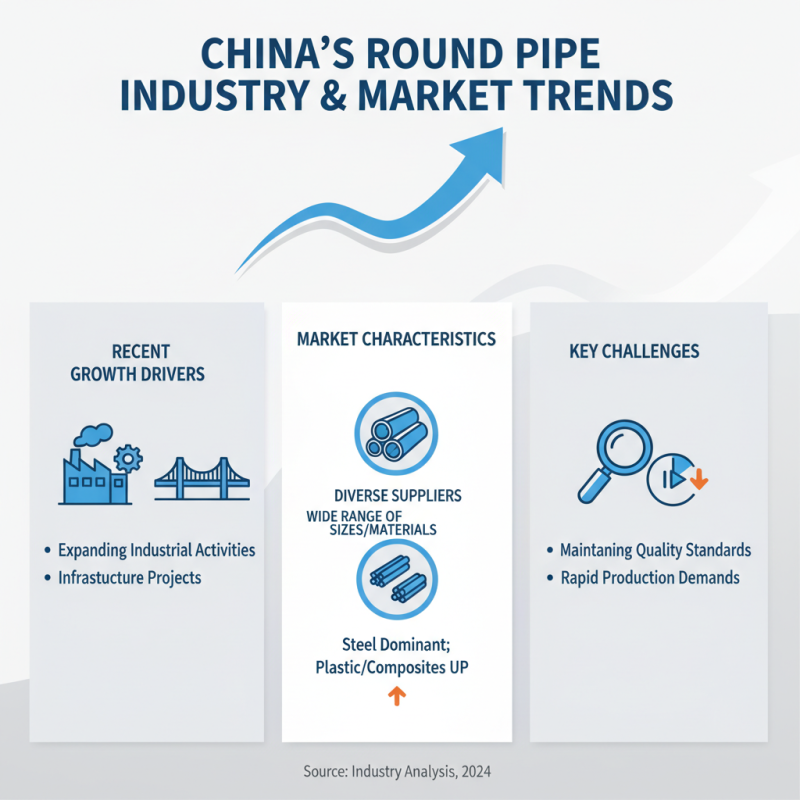
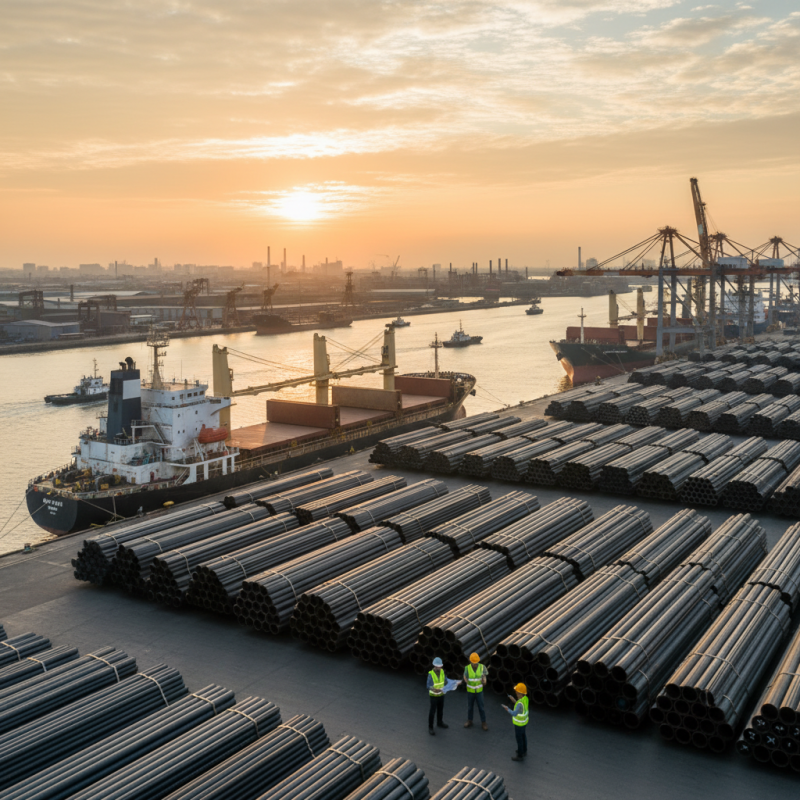
China's round pipe industry has witnessed significant growth over recent years, driven by expanding industrial activities and infrastructure projects. The market is characterized by diverse suppliers, producing a wide range of round pipe sizes and materials. Steel remains predominant, while plastic and composite materials are increasingly in demand. Companies often face the challenge of maintaining quality standards alongside rapid production.
Importers should remain vigilant about quality control. Many suppliers may promise low prices, but that can compromise product durability. Always ask for certification and test reports. This ensures that the materials meet international standards, which is crucial for safety and reliability.
Market trends indicate a shift towards eco-friendly materials, reflecting global sustainability goals. In this evolving landscape, staying informed is key for importers. Continuous education and market research can uncover new opportunities. Nevertheless, it’s essential to verify supplier credentials. Many newcomers may lack experience, leading to inconsistent quality and delays. Do thorough checks before committing to any supply agreements.
Leading Round Pipe Manufacturers in China: Key Players and Their Capacity
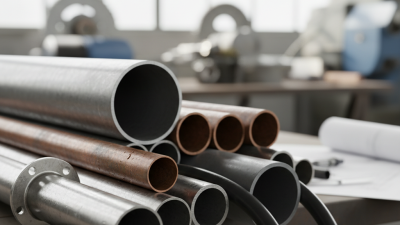
When it comes to sourcing round pipes from China, several key manufacturers stand out. These players are known for their strong capacity and reliable output. They produce a variety of round pipes, used in construction, automotive, and other industries. A few manufacturers specialize in specific dimensions, while others offer a wide range of sizes. This diversity helps global importers meet various project requirements.
It's worth noting that each manufacturer has its strengths. Some may excel in quality, while others focus on speed of delivery. Capacities can vary significantly. Understanding these differences is vital when making sourcing decisions. Many buyers often overlook this aspect and face delays or quality issues. Importers should carefully assess each supplier's capabilities to ensure they align with their needs.
Establishing relationships with these manufacturers can be tricky. Communication barriers and differing expectations might arise. Importers need to conduct thorough checks to avoid pitfalls. Engaging directly with suppliers helps in understanding their production processes and delivery timelines. Emphasizing transparency in communication can lead to better partnerships in the long run.
China Top Round Pipe Suppliers for Global Importers Guide
| Supplier Name |
Annual Capacity (tons) |
Product Types |
Export Markets |
Certifications |
| Supplier A |
100,000 |
Seamless, Welded |
USA, Europe, Asia |
ISO 9001, API 5L |
| Supplier B |
80,000 |
ERW, P235GH |
Middle East, Africa |
CE, ASTM |
| Supplier C |
50,000 |
Galvanized, Stainless Steel |
Australia, South America |
ISO 14001, TUV |
| Supplier D |
120,000 |
Carbon Steel, Alloy Steel |
Canada, UK |
ISO 9001, GOST |
| Supplier E |
200,000 |
Black Steel, Copper |
Asia, Europe, Africa |
API, CE |
Quality Standards and Certifications for Imported Round Pipes from China
When sourcing round pipes from China, quality standards are paramount. Many importers face challenges navigating certifications. Quality assurance can significantly impact project outcomes.
According to a report by the International Organization for Standardization (ISO), about 30% of materials fail to meet international quality benchmarks. This highlights the importance of verifying compliance with standards like ISO 9001 and ASTM. Round pipes must undergo rigorous testing. Reports show that only 70% consistently meet specified industry standards.
Additionally, the China National Institute of Standardization (CNIS) outlines specific criteria for round pipe manufacturing. These include material strength, corrosion resistance, and dimensional accuracy. Importers should request detailed certification documentation to ensure adherence. Conducting factory audits can also reveal manufacturing practices. Often, suppliers may display compliance but fall short in implementation. This discrepancy can lead to costly rejections and delays in projects.
Pricing Trends and Export Statistics for China's Round Pipe Sector
The round pipe sector in China has shown dynamic pricing trends over recent years. Prices fluctuate based on global demand, raw material costs, and production capabilities. Export statistics indicate a steady increase in shipments, particularly to emerging markets. Suppliers maintain competitive pricing strategies to attract international buyers.
One noticeable trend is the variation in pricing during different seasons. For instance, demand typically spikes during winter, leading to higher costs. Shifts in trade policies or tariffs also impact prices and availability. Importers must stay updated on these changes to make informed decisions.
Tips: Regularly monitor industry reports and engage with local suppliers for the latest market insights. Attend trade shows and online conferences to network with industry experts. Building reliable relationships can offer a competitive edge in sourcing. Exploring alternative suppliers might reveal unexpected pricing opportunities.
China Round Pipe Export Statistics (2023)
Logistics and Supply Chain Considerations for Global Importers of Round Pipes
When importing round pipes from China, logistics plays a critical role. Understanding the shipping process is essential for global importers.
Different transportation modes like sea, air, and rail each have unique timelines and costs.
Sea freight is often the cheapest but takes longer. Air transport offers speed, yet it can escalate expenses.
Evaluating these options requires a solid grasp of your budget and timeline.
Supply chain considerations should not be overlooked. Customs clearance is one area where delays can happen.
Proper documentation is vital to prevent bottlenecks. Ensure you have your invoices, packing lists, and certificates ready.
Collaborating with experienced freight forwarders can streamline this process. They often have insights into regional regulations that a newcomer might miss.
Communication with suppliers can also present challenges. Ensure clarity around production timelines and shipping schedules.
Time zone differences can complicate interactions.
Regular updates can help ease concerns and foster a trustworthy relationship. These details can significantly impact your overall import experience and help avoid costly pitfalls.