Why Choose Carbon Steel Pipe for Your Construction Needs?
When considering materials for construction, the choice of pipes is crucial. Carbon Steel Pipe stands out for its strength and durability. "In many projects, carbon steel pipes outperform other materials," notes Dr. James Smith, a leading expert in structural engineering. His emphasis on reliability highlights the popularity of carbon steel.
Carbon Steel Pipes offer excellent resistance to pressure and temperature. They are ideal for various construction applications. Their versatility allows them to be used in everything from water transport to structural frameworks. However, some may overlook their potential weaknesses, such as susceptibility to corrosion if not properly treated.
Notably, the cost-effectiveness of Carbon Steel Pipes makes them attractive for budget-conscious projects. Yet, it's essential to ensure proper maintenance to avoid long-term issues. While they provide significant benefits, understanding the limitations is vital for making informed choices.
Advantages of Carbon Steel Pipe in Construction Applications
Carbon steel pipes have become a staple in construction projects due to their many advantages. One of the most significant benefits is their strength. According to industry reports, carbon steel has a tensile strength of up to 580 MPa. This makes it ideal for structural applications, supporting heavy loads. Moreover, the cost-effectiveness of carbon steel pipes is notable. They are often cheaper than alternatives like stainless steel, making them an attractive option for budget-conscious projects.
Durability is another key aspect. Carbon steel pipes can resist wear and tear better than many materials. A study indicated that these pipes can last over 50 years with proper maintenance. However, they can corrode if exposed to moisture. This potential issue requires careful planning. Proper coatings and regular inspections are vital to prolong their lifespan.
Furthermore, carbon steel pipes are easy to work with. They can be welded or cut into specific sizes, offering design flexibility. Yet, this flexibility can lead to oversights in design and execution if not managed correctly. In the fast-paced construction environment, these details can easily be overlooked. Thoughtful consideration is essential to ensure the best results with carbon steel piping in construction applications.
Comparison of Carbon Steel Pipe to Other Pipe Materials
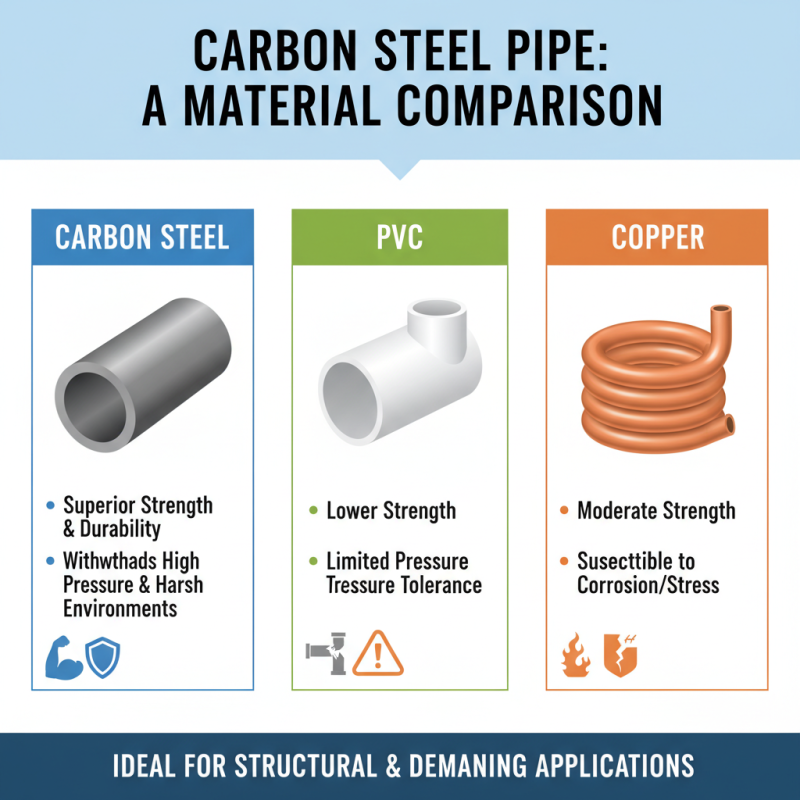
When considering pipe materials for construction, carbon steel pipe stands out in several ways. It offers impressive durability and strength, making it ideal for various applications. Unlike PVC or copper, carbon steel can withstand high pressures and harsh environments. Its significant resilience against physical stress makes it a preferred choice for structural applications.
However, using carbon steel pipe isn't without challenges. It is more susceptible to corrosion compared to stainless steel. This means additional measures, such as coatings or regular maintenance, may be necessary. Some projects might find this extra effort burdensome. Understanding these limitations is crucial when choosing the right material.
Tips: Always check for the environmental conditions of your project site. If corrosion is a concern, consider using protective coatings. When planning your budget, account for potential maintenance costs.
In contrast to plastic pipes, carbon steel remains a reliable choice for heavy-duty applications. Plastic may not hold up under extreme conditions, while carbon steel maintains integrity. Weighing these differences can help you make informed decisions for your project.
Key Properties of Carbon Steel that Benefit Construction Projects
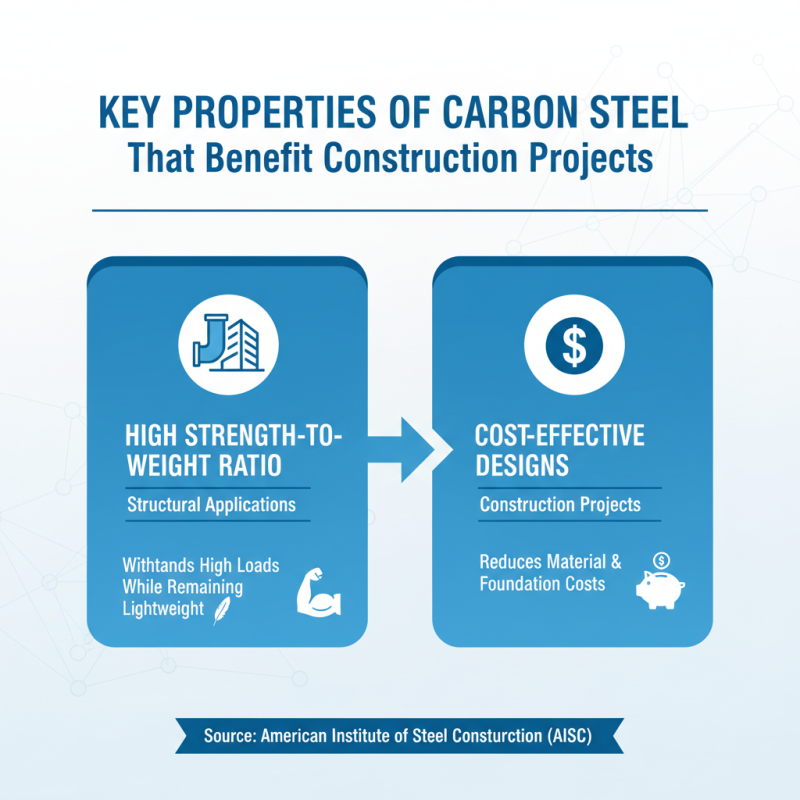
When considering construction materials, carbon steel pipe stands out for several key properties. Its high strength-to-weight ratio makes it suitable for various structural applications. According to the American Institute of Steel Construction, carbon steel can withstand high loads while remaining lightweight. This property leads to cost-effective designs in construction projects.
Another advantage is carbon steel's excellent weldability. This allows for quicker assembly and repairs. Structures can be erected efficiently, saving time on the job. Studies show that projects utilizing carbon steel experience up to 30% faster completion rates. Its versatility is noteworthy, as it adapts to different environments and stress conditions.
Tips: Ensure proper storage of carbon steel to prevent rust. Regular inspections are beneficial. Keep documentation of all materials used, which aids in future maintenance.
Environmental factors are not trivial. Carbon steel may corrode if exposed to moisture over time. Using protective coatings can help mitigate this issue. It’s crucial to consider long-term effects in design planning. A thorough risk assessment may save costs down the line.
Common Uses of Carbon Steel Pipe in the Construction Industry
Carbon steel pipes play a vital role in the construction industry. They are versatile and robust, making them suitable for various applications. A recent industry report highlights that over 60% of large construction projects utilize carbon steel pipes for structural support and piping systems. These pipes can withstand high pressure and temperatures, ensuring durability.
Common uses include water supply systems, gas distribution networks, and structural framework. In large buildings, carbon steel pipes support plumbing and heating systems. They are preferred for their strength and resistance to corrosion, outperforming other materials. One study showed that carbon steel pipes can last over 50 years when properly maintained.
Tips: Regular inspections are crucial. Check for signs of wear and corrosion. Also, consider insulation to prevent condensation. Proper installation methods tech can enhance system longevity. Aim for a balanced design to avoid stress on joints and fittings. This ensures your construction meets safety and performance standards. While carbon steel pipes are reliable, early detection of issues can save time and costs.
Why Choose Carbon Steel Pipe for Your Construction Needs?
| Application |
Benefits |
Specifications |
Typical Sizes |
| Structural Support |
High strength and durability |
ASTM A53, ASTM A500 |
2" to 24" |
| Water Transport |
Corrosion-resistant coatings available |
ASTM A106 |
1" to 10" |
| Gas Distribution |
Reliable and cost-effective |
ASTM A135 |
2" to 12" |
| Framework for Construction |
Versatile and strong construction material |
BS 3602 |
½" to 20" |
Maintenance and Durability of Carbon Steel Pipe Over Time
When considering construction materials, carbon steel pipe stands out for its durability. It can withstand harsh conditions. Over time, carbon steel pipes show resilience against wear and tear. They are often favored for their strength-to-weight ratio. However, regular maintenance is essential to ensure longevity.
Routine inspections can catch early signs of corrosion. Applying protective coatings can enhance their lifespan. Sometimes, unexpected rust develops despite precautions. In those situations, timely repairs can prevent further damage. Proper storage conditions also play a vital role. Ensuring they are kept dry minimizes the risk of moisture damage.
While carbon steel pipes are dependable, they are not infallible. Environmental factors can lead to unexpected issues. Regular maintenance is crucial, but not always practical for everyone. Construction teams must weigh the benefits against potential challenges. The decision ultimately rests on understanding their specific needs and the conditions they'll face.