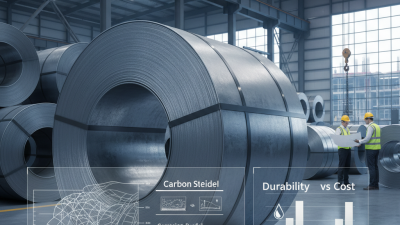
Why Choose Carbon Steel Plate for Your Next Project?
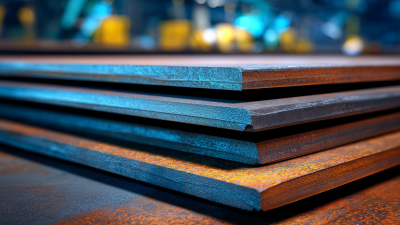
When considering materials for your upcoming project, Carbon Steel Plate stands out for its versatility and strength. According to the World Steel Association, carbon steel accounts for over 90% of global steel production, highlighting its widespread acceptance and use in various industries. Engineers and architects frequently choose carbon steel for construction, manufacturing, and automotive applications due to its exceptional durability and cost-effectiveness.
Furthermore, data from the American Society of Civil Engineers indicates that structures utilizing carbon steel exhibit improved resilience under stress. This characteristic is essential for projects exposed to harsh conditions. However, it’s crucial to recognize that not all grades of carbon steel are equal. Different projects will require specific grades, impacting strength and weldability. Balancing your project’s specific needs against the appropriate carbon steel grade can be challenging.
While Carbon Steel Plate offers numerous benefits, there are considerations to keep in mind. Corrosion resistance must be factored, especially in unfavorable environments. Proper treatment and maintenance are vital to ensure longevity. Industrial success involves identifying suitable applications for carbon steel, continuously evaluating the materials’ performance. Ultimately, choosing Carbon Steel Plate demands a thoughtful approach, inviting both expertise and careful examination of project requirements.
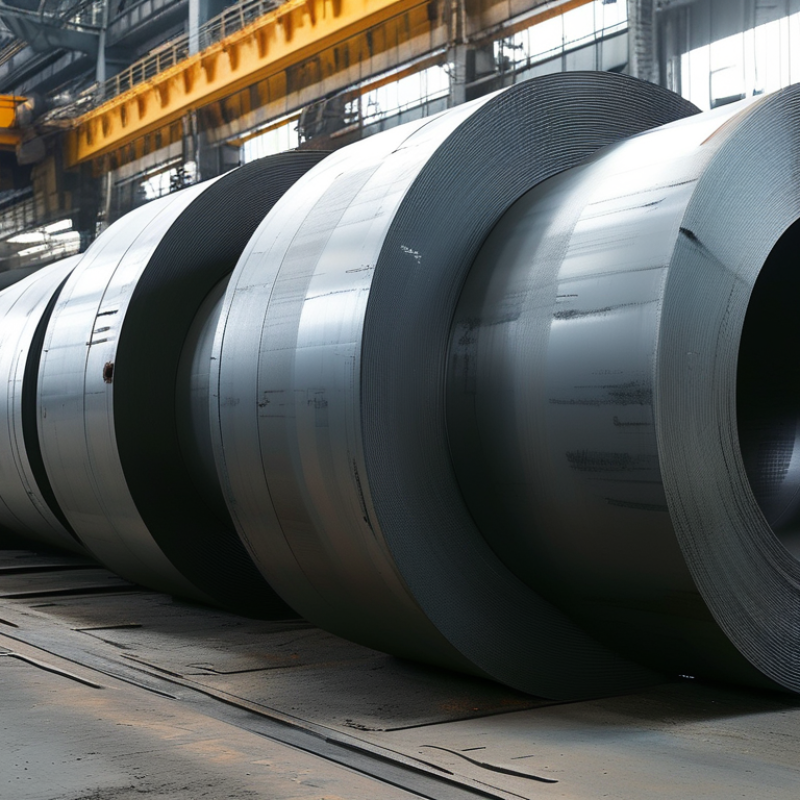
Benefits of Using Carbon Steel Plate in Construction Projects
Carbon steel plates have gained popularity in construction due to their unique benefits. These plates offer excellent strength and durability.
They are suitable for various structures, from bridges to buildings. The material is known for its affordability, making it a cost-effective choice. This is particularly important for large-scale projects with tight budgets.
In addition to cost-efficiency, carbon steel plates are highly versatile. They can be easily molded into various shapes. This adaptability allows architects and engineers to explore innovative designs.
However, one should consider the potential for corrosion. Proper treatment and maintenance are essential to prolong their lifespan. Steel plates often need protective coatings, which can add to initial costs.
Another aspect to reflect on is the environmental impact. The production of carbon steel involves significant energy use. Yet, it is recyclable, reducing waste in the long run.
Balancing these factors can be challenging but necessary. Exploring alternative materials is wise, but many still prefer carbon steel for its reliability.
This choice demands careful consideration of both benefits and drawbacks.
Comparative Analysis of Carbon Steel Plate and Other Materials
When comparing carbon steel plate to other materials, several factors come to light.
Carbon steel plate is known for its superior strength and durability.
According to a report by the World Steel Association, carbon steel accounts for approximately 90% of the total steel production globally.
This highlights its popularity and reliability in various applications.
In contrast, materials like aluminum and stainless steel are also viable choices,
but they come with limitations. Aluminum is lightweight but lacks the strength of carbon steel.
Additionally, stainless steel has excellent corrosion resistance but is significantly more expensive.
A study published in the Journal of Materials Science indicates that carbon steel plate has a tensile strength of around
400-600 MPa, making it ideal for structural applications.
However, carbon steel plate does have drawbacks.
It is prone to rust without proper treatment and may require regular maintenance.
This is in stark contrast to stainless steel, which offers low maintenance due to its corrosion resistance.
Ultimately, the choice of material hinges on the specific requirements of the project,
including budget constraints and environmental factors.
Understanding these nuances can greatly impact the success of construction projects.
Applications of Carbon Steel Plate in Various Industries
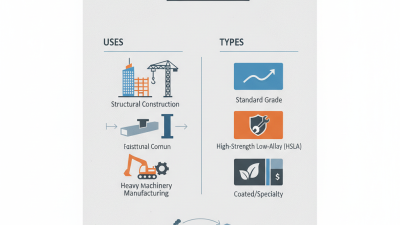
Carbon steel plates are essential in various industries due to their unique properties. These plates are strong, durable, and can withstand heavy loads. This makes them ideal for construction projects. In the construction industry, carbon steel plates are widely used for beams and structural frameworks. Their ability to provide stability ensures safety and durability in buildings.
In the automotive sector, carbon steel plates serve as a key component in vehicle manufacturing. They are used in producing body panels and chassis, offering significant strength without adding excessive weight. This is crucial for vehicle performance and efficiency. However, the risk of corrosion means that proper finishing and treatment are often necessary to prolong their lifespan.
Energy production also benefits from carbon steel plates. They are often used in the fabrication of pipelines and pressure vessels. Here, reliability is vital; any failure can lead to significant consequences. While they provide excellent resistance, regular inspections are needed to avoid potential weaknesses, ensuring safety and performance. Exploring the applications of carbon steel plates reveals both their strengths and the care required in various sectors.
Key Properties and Characteristics of Carbon Steel Plate
Carbon steel plate is increasingly favored in construction and manufacturing due to its unique properties. This material is strong and malleable. According to the American Iron and Steel Institute, carbon steel accounts for about 90% of steel production worldwide. This widespread use emphasizes its significance in various applications.
One notable characteristic of carbon steel plate is its high strength-to-weight ratio. This makes it ideal for structural applications where strength is essential, but weight must be minimized. According to industry reports, carbon steel has a tensile strength ranging from 370 to 700 megapascals, depending on its carbon content. This versatility allows engineers to use different grades for specific project requirements.
Carbon steel plates also undergo surface treatments to enhance their durability. However, they are prone to corrosion without proper protection. Some professionals might overlook this aspect, leading to future maintenance challenges. Proper coatings can mitigate this issue, and research suggests that coated carbon steel plates can extend their lifespan significantly. It's crucial to weigh these pros and cons before selecting carbon steel for a project.
Why Choose Carbon Steel Plate for Your Next Project? - Key Properties and Characteristics of Carbon Steel Plate
| Property |
Description |
| Strength |
High tensile strength, making it ideal for structural applications. |
| Durability |
Excellent resistance to wear and tear, ensuring longevity. |
| Cost-effectiveness |
Generally lower cost compared to other steel types, providing value. |
| Machinability |
Easily machined to meet various project requirements. |
| Weldability |
Can be welded using common techniques, facilitating fabrication. |
| Versatility |
Applicable in various industries, including construction, automotive, and manufacturing. |
| Corrosion Resistance |
Can be treated for improved resistance to oxidation and corrosion. |
Cost-Effectiveness and Sustainability of Carbon Steel Plate Usage
When considering materials for construction or manufacturing, carbon steel plate stands out for its cost-effectiveness. Its affordability makes it a popular choice among engineers and project managers. This material offers strength without breaking the bank. Many projects rely on carbon steel to balance quality and budget constraints. However, it's essential to consider the maintenance and fabrication processes which can sometimes add to costs.
Sustainability is another significant factor. Carbon steel is recyclable, reducing environmental impact after its useful life. This aligns with the growing focus on eco-friendly practices in various industries. Companies are increasingly sought after those that adopt greener methods. Yet, not all manufacturers may focus on sustainable practices; evaluating sourcing and production processes becomes vital. Transparency in these areas can be lacking, and deeper investigation may be necessary.
Incorporating carbon steel plate into projects encourages thought about responsible resource use. While it offers several advantages, awareness of additional factors is critical. Reviewing long-term dependencies and potential drawbacks fosters better decision-making. Hence, being informed helps align choices with broader sustainability goals.