2026 How to Choose the Best Galvanized Coil for Your Needs?
Choosing the right galvanized coil is essential for numerous applications in construction and manufacturing. John Smith, a recognized expert in metal processing, once said, "The quality of galvanized coil can make or break your project." This emphasizes the importance of selecting the best material for your specific needs.
A galvanized coil is often chosen for its durability and resistance to corrosion. However, not all galvanized coils are created equal. Factors such as coating thickness, mechanical properties, and surface finish significantly impact performance. Inadequate knowledge about these aspects can lead to subpar choices, resulting in costly project delays or failures.
As industries evolve, the demand for high-quality galvanized coils increases. It's crucial to stay informed about the latest advancements and standards in the field. Carefully evaluating your project requirements can help ensure you make an informed decision. Remember, the right galvanized coil can be the difference between success and regret.
Understanding Galvanized Coil: Definition and Applications
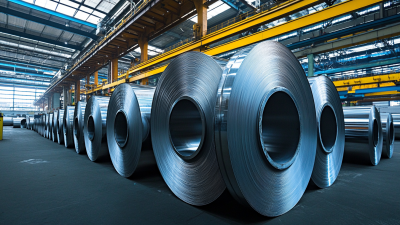
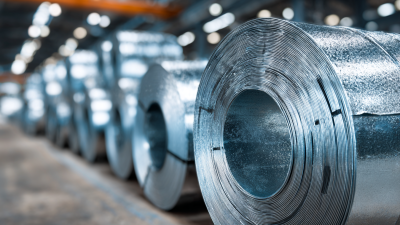
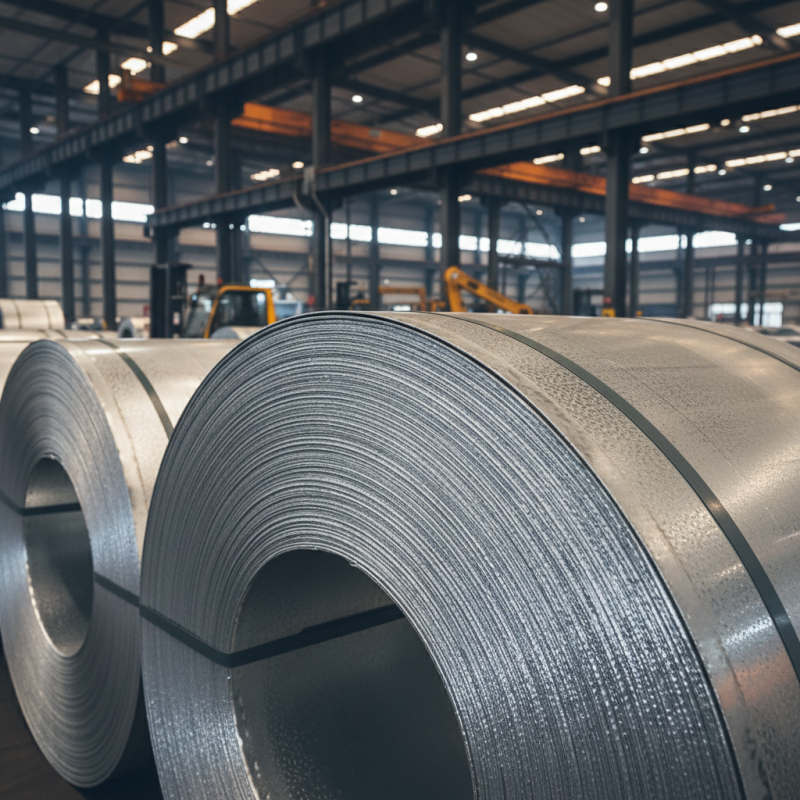
Galvanized coil is coated with zinc to prevent rust. It offers durability and resistance in various applications. This type of coil is commonly used in construction, automotive, and manufacturing. The process involves hot-dipping or electroplating the steel. Quality control is crucial in this stage.
Understanding your needs helps in selecting the right galvanized coil. Consider factors such as thickness, width, and coating weight. These specifications impact the coil's strength and longevity. Some projects might require lighter options for flexibility. Others demand heavier coils for robustness. Choosing the wrong type can lead to structural issues.
Applications of galvanized coil are diverse. It’s used in roofing, siding, and HVAC systems. The coil's resistance to corrosion makes it suitable for outdoor applications. Indoor use is common as well, though less critical. Regular reviews of your project requirements are important. Reflecting on past choices may reveal insights for future purchases. Careful evaluation of your options ensures the best outcomes.
Key Factors to Consider When Choosing Galvanized Coil Thickness
Choosing the right thickness for galvanized coil is a crucial decision. The thickness directly impacts durability, strength, and application suitability. Standard thickness ranges from 0.3 mm to 3.0 mm. Thinner coils may be lighter and easier to handle, but they offer less corrosion resistance. Thicker coils provide robustness, making them ideal for demanding environments, like construction.
Consider the specific requirements of your project. If flexibility is important, thinner coils might fit better. However, if you need long-term performance, thicker options are worth exploring. It's essential to recognize that using the wrong thickness can lead to failures. Cost considerations also play a part. Thinner coils tend to be more economical, but investing in thicker coils can save money in the long run through reduced maintenance.
Review your project needs carefully. Assess the environment, load factors, and lifespan expectations. Rely on expert recommendations, but also trust your judgment. Mistakes in thickness choice can result in costly rework. Reflect on your choices, as the right galvanized coil thickness is critical for success.
Material Composition: Evaluating Zinc Coating Standards for Durability
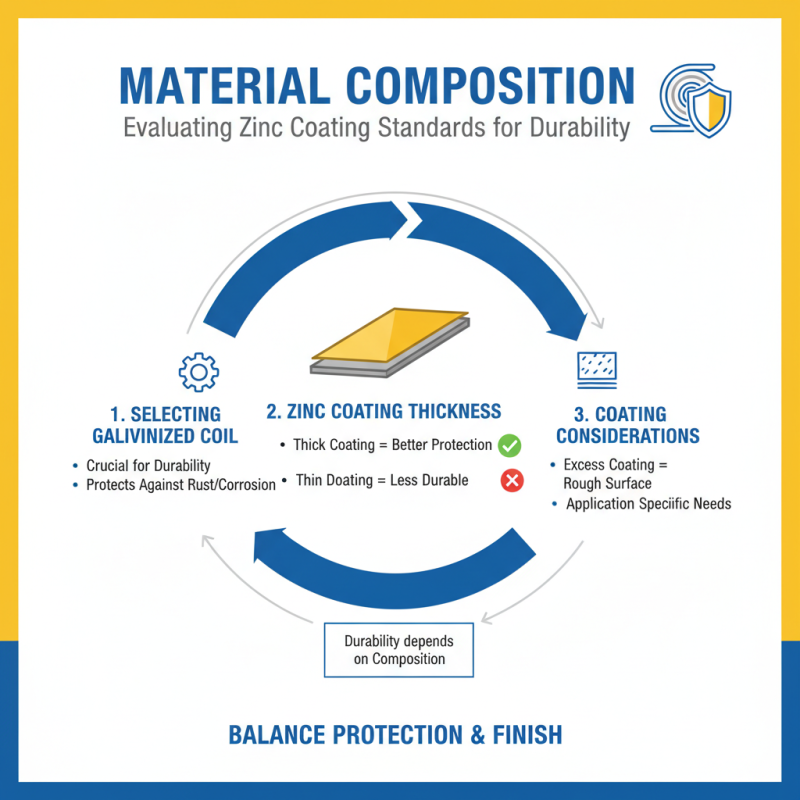
When selecting a galvanized coil, understanding zinc coating standards is crucial. The durability of the coil depends significantly on its composition. Zinc serves as a protective layer, preventing rust and corrosion. A thick coating generally offers better protection. However, excess coating may lead to a rough surface, which could be undesirable for some applications.
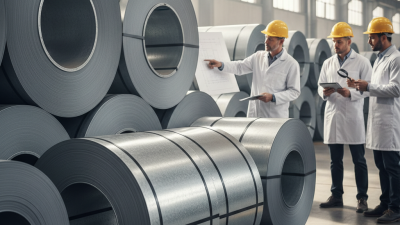
Tips: Look for coils with a uniform finish. A consistent coating indicates quality manufacturing and adherence to standards. Inspect the manufacturer's specifications carefully.
Evaluating the thickness of the zinc coating is essential. There are different standards, such as G90 or G60, which reflect the amount of zinc applied. G90 offers better corrosion resistance than G60. However, ensure it is not excessively thick for your needs. The right balance is key.
Tips: Test the coil's flexibility. A ductile zinc coating can improve its performance in various applications. A rigid coating might crack during forming processes.
Cost Analysis: Comparing Prices and Value in the Galvanized Coil Market
When choosing a galvanized coil, cost analysis plays a crucial role. Prices can vary widely based on quality and thickness. Understanding this variance is essential for making an informed decision. Basic galvanized coils are more affordable, but they may not provide the durability needed for all projects.
Consider the long-term value of the galvanized coil. Sometimes, spending a little more can lead to better performance. Higher-grade coils resist corrosion more effectively. They also offer better support in challenging environments. Cheap options might save money upfront, but replacements can be costly.
Tips: Always request multiple quotes from suppliers. Compare not just prices, but also specifications. Look for certifications that ensure the product meets quality standards. It’s also useful to consult industry experts. They can provide insights into the best choices for your specific needs. Always remember, cost should not be the sole determinant. Weighing value against price often leads to wiser purchases.
Industry Trends: Future of Galvanized Coils in Sustainable Manufacturing
The manufacturing landscape is shifting towards sustainability.
Galvanized coils play a significant role in this transformation. These materials are coated with zinc to prevent corrosion, extending their lifespan. In sustainable manufacturing, minimizing waste is crucial. Using galvanized coils allows businesses to reduce environmental impact, as they require fewer resources and maintenance.
Industry trends show a growing preference for eco-friendly materials. Manufacturers are adopting strategies that prioritize recycled steel content in galvanized coils. This shift not only conserves raw materials but also lowers emissions during production.
However, choosing the right galvanized coil can be challenging. Factors like thickness, finish, and coating weight are important. Understanding these aspects is essential for making informed choices.
Despite advancements, there are still challenges to overcome. Some companies struggle with sourcing high-quality galvanized coils. Others find it difficult to adapt to new standards. Continuous learning and innovation are necessary for success.
Awareness of evolving trends in galvanized coil usage can empower manufacturers to make better decisions. Being equipped with the right knowledge ensures a more sustainable future in manufacturing.