How to Choose the Best Stainless Steel Coil for Your Needs?
Choosing the right Stainless Steel Coil can significantly impact your project’s success. Various applications require different specifications. Understanding your needs is crucial.
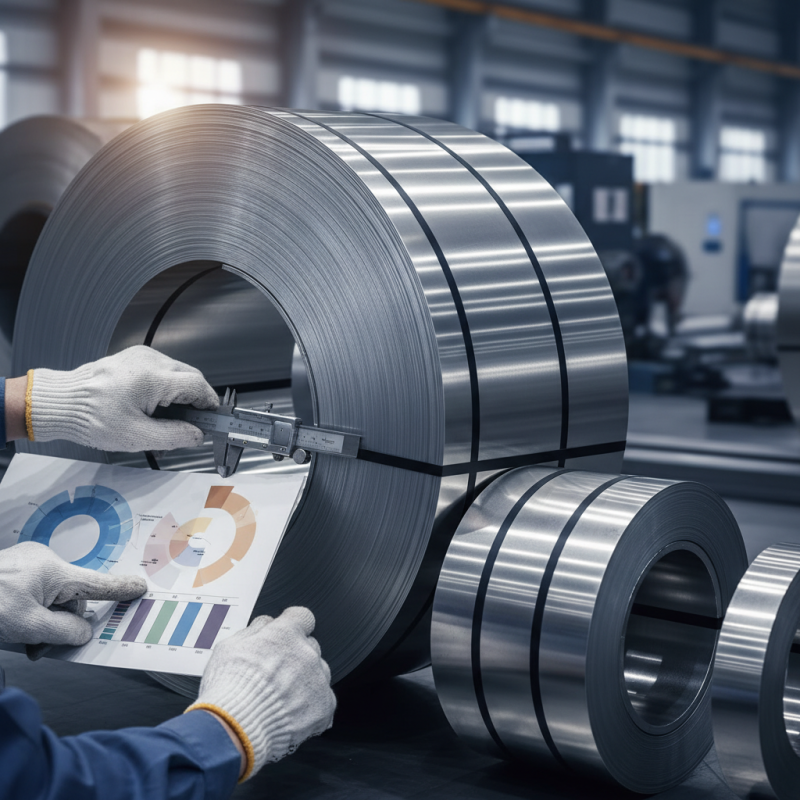
Stainless Steel Coil is known for its durability and corrosion resistance. However, not all coils are created equal. Factors like thickness, width, and finish matter. Each choice affects performance and aesthetics.
Before purchasing, consider your specific requirements. This could include temperature resistance or surface treatment. Reflect on how your application will influence your choice. A well-informed decision can save time and money in the long run.
Factors to Consider When Selecting Stainless Steel Coils
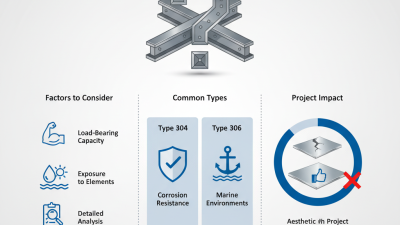
When selecting stainless steel coils, various factors come into play. Material grade is critical. Different grades offer varying corrosion resistance and strength. For example, grade 304 suits many applications but may not be ideal for highly acidic environments. Understanding the specific requirements of your project is essential in making the right choice.
Thickness is another important consideration. The thickness of the coil can influence performance. Thinner coils may be more flexible but may lack the strength needed in high-stress applications. Similarly, surface finish matters as well. Some finishes enhance corrosion resistance, while others might not. It's essential to know which finish aligns with your needs.
Environmental conditions also impact your selection. If coils will be exposed to harsh weather, high-grade stainless steels are preferable. Additionally, think about weight. Heavier coils might be challenging to handle but offer durability. It’s often a balancing act. Think critically about each factor and how they align with your specific requirements. This reflection can guide you in making a more informed decision.
Stainless Steel Coil Selection Factors
Types of Stainless Steel Coils and Their Applications
Stainless steel coils come in various types, each suitable for specific applications. The two most common categories are austenitic and ferritic stainless steels. Austenitic stainless steels, such as grade 304, known for their excellent corrosion resistance and weldability, are widely used in food processing and kitchen equipment. In contrast, ferritic stainless steels, such as grade 430, have magnetic properties and are often found in automotive applications and architectural cladding.
Industry reports indicate that the global market for stainless steel coils is projected to grow significantly, with a compound annual growth rate (CAGR) of around 5% through 2026. Industrial sectors such as construction and automotive drive their demand. However, the choice of the coil type should be carefully considered. For instance, while austenitic steel provides durability, it may not be the best fit for environments prone to salty or acidic exposure.
Understanding the necessary specifications is crucial. The thickness of the coil can influence its application. Thinner coils are typically used for appliances, while thicker variants are suitable for structural components. The surface finish also plays a role; a polished finish may be required for aesthetic applications, while a matte finish may be better for industrial use. Balancing these factors requires careful thought to ensure the selected coil meets the project's specific needs.
How to Choose the Best Stainless Steel Coil for Your Needs? - Types of Stainless Steel Coils and Their Applications
| Type of Stainless Steel Coil |
Common Grades |
Applications |
Advantages |
| Austenitic |
304, 316 |
Food processing, kitchen equipment, chemical containers |
Excellent corrosion resistance, good formability |
| Ferritic |
430 |
Automotive applications, home appliances |
Magnetic properties, moderate corrosion resistance |
| Martensitic |
410, 420 |
Cutlery, surgical instruments |
High hardness, wear resistance |
| Duplex |
2205, 2507 |
Oil and gas, marine applications |
High strength, excellent resistance to stress corrosion cracking |
| Precipitation Hardening |
17-4 PH |
Aerospace, chemical processing |
High strength, good corrosion resistance |
Understanding Grades and Specifications of Stainless Steel
When selecting stainless steel coils, understanding the grades and specifications is crucial. Stainless steel is categorized primarily by its alloying elements. Among these, the most common grades include 304, 316, and 430. According to the American Iron and Steel Institute (AISI), 304 is versatile and resistant to corrosion. However, it lacks the higher resistance of 316. The latter contains molybdenum, improving its performance in marine environments.
The specification of stainless steel also includes its gauge, which determines thickness. The most commonly referenced thickness is 0.018 to 0.304 inches for light applications. Many industries utilize these different gauges based on their specific needs. For instance, food processing requires precise specifications to prevent contamination.
Choosing the right coil isn't always straightforward. While data may suggest certain grades for low-cost applications, durability and performance can differ widely. Reports indicate that improper selection can lead to increased maintenance costs. It’s essential to weigh initial savings against potential long-term impacts. Understanding these nuances can empower decision-making, ensuring that the best material is used for each unique application.
Evaluating Surface Finishes and Their Importance
Surface finishes are crucial when selecting the right stainless steel coil. They not only affect appearance but also influence performance. A well-finished surface can enhance corrosion resistance considerably. According to industry reports, up to 80% of corrosion issues in stainless steel arise from surface imperfections. Therefore, it is essential to select a finish that suits your application.
Different types of surface finishes exist, including matte, brushed, and polished. Each type serves different purposes. For instance, a polished finish is ideal for architectural applications due to its aesthetic appeal. In contrast, a matte finish may be more suitable for industrial settings, where functionality is key. Industry studies show that a brushed finish can reduce visual scratches, extending the life of the material.
Choosing the right finish requires careful consideration of both aesthetic and functional factors. Certain finishes may complement specific environments better than others. However, understanding the long-term implications of surface finish is often overlooked. The right choice can mean a significant difference in maintenance costs and product longevity, reflecting the importance of informed decisions in stainless steel procurement.
Cost Considerations and Budgeting for Stainless Steel Coils
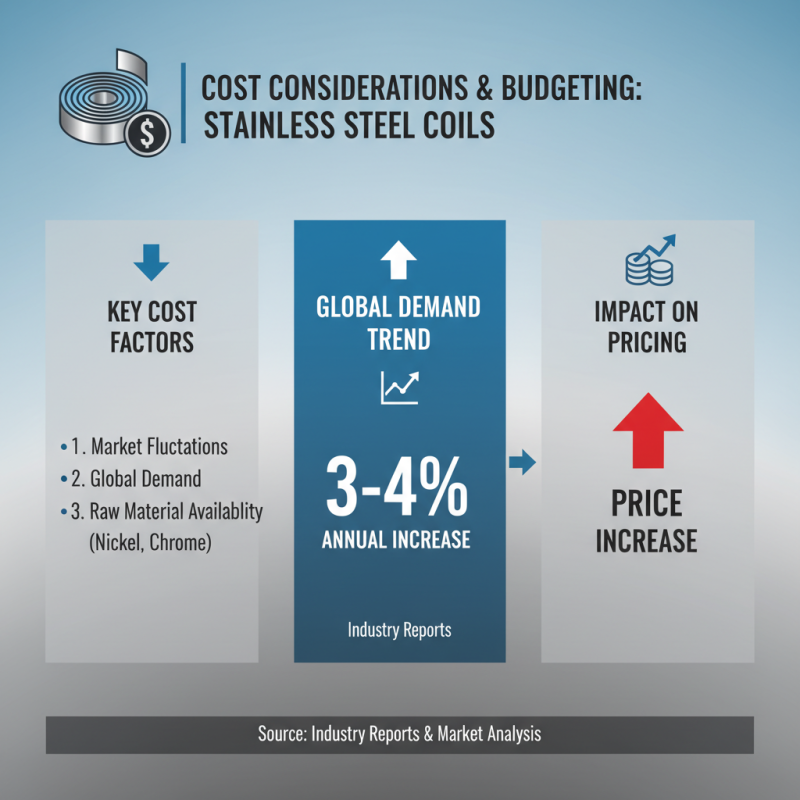
When budgeting for stainless steel coils, several cost factors come into play. The price of stainless steel fluctuates based on market conditions, demand, and raw material availability. For instance, the global demand for stainless steel is projected to increase by 3-4% annually, according to industry reports. This trend impacts pricing significantly.
Be mindful of the dimensions and specifications of the coils. Customized sizes often lead to increased production costs. According to the Stainless Steel Institute, coils with unique gauges can cost up to 20% more than standard options. These details are crucial. Ensuring that you are selecting the right size can prevent costly overruns and waste.
Consider the type of stainless steel as well. Grades such as 304 and 316 offer different properties and pricing structures. While 304 is more common and tends to be less expensive, 316 provides enhanced corrosion resistance, considerably affecting its price. It’s worth reflecting on whether the additional investment in a superior grade aligns with your project’s long-term needs. Each choice has implications not only for budget but also for performance and durability.