Why Choose Copper Plate for Your Next Project?
In the construction and manufacturing industries, choosing the right materials is crucial. Copper plate stands out due to its unique properties and applications. According to a recent industry report by Smithers Pira, the global copper market is projected to reach USD 200 billion by 2025. This growth reflects the rising demand for copper plate in electrical and thermal applications.
Copper plate offers excellent conductivity, making it ideal for electrical projects. Its corrosion resistance enhances durability, which is essential for outdoor applications. Industry experts note that copper plate can last over a century in the right conditions. However, understanding the specific project requirements is key to making informed choices. Not every project may benefit from copper plate's premium price tag when alternatives are available.
Sourcing high-quality copper plate involves navigating various suppliers and standards. While many claim to provide the best materials, not all meet industry regulations. It's vital to conduct thorough research and verification. A well-informed decision can lead to long-term benefits. As the demand for sustainable materials grows, considering copper plate is worth the exploration.
Benefits of Copper Plate in Various Industries
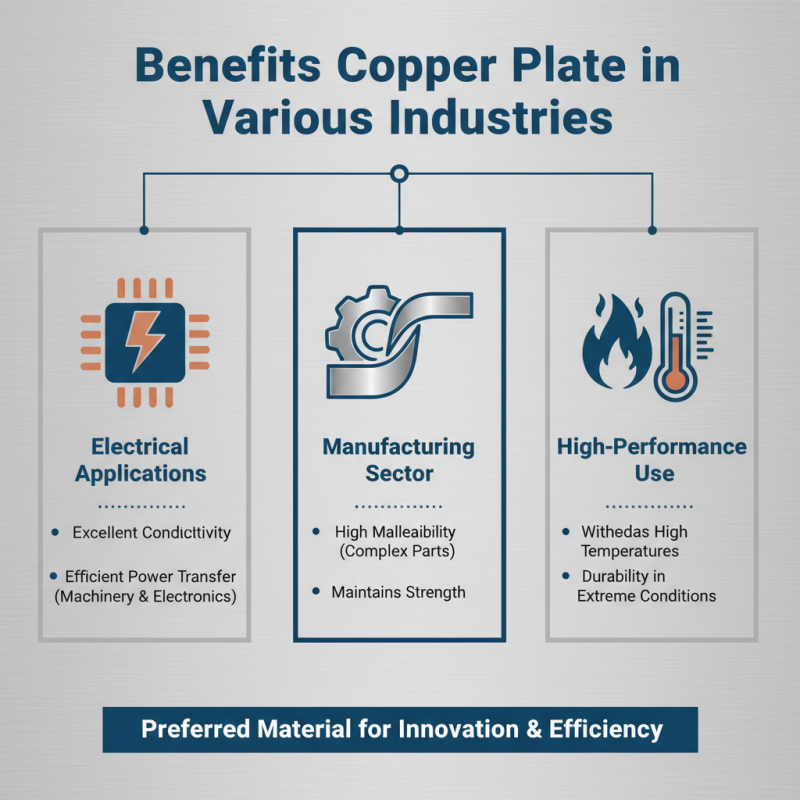
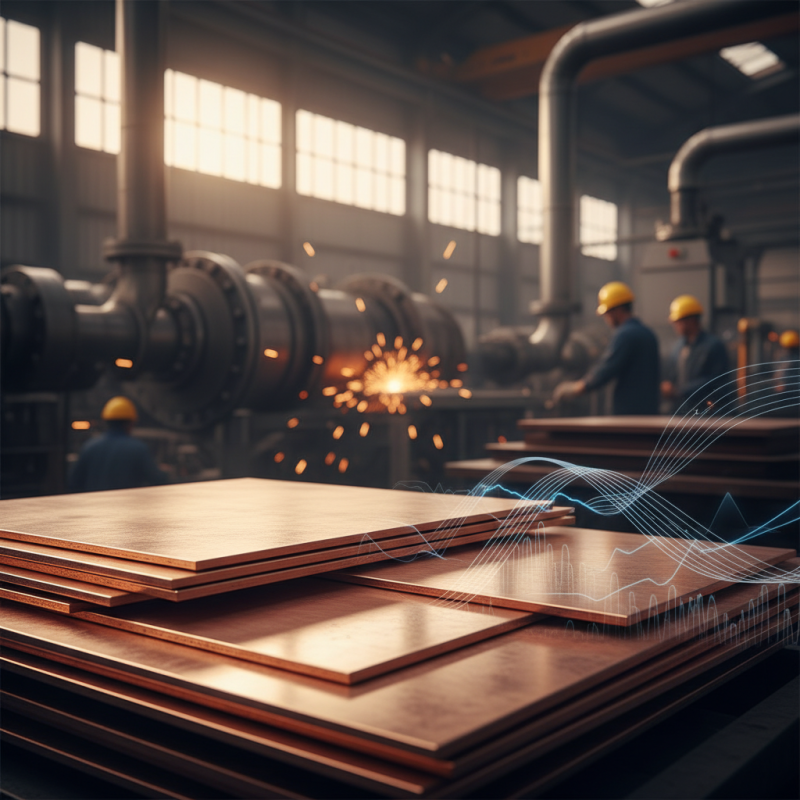
Copper plate has emerged as a preferred material in various industries, thanks to its unique properties. In electrical applications, it offers excellent conductivity. This ensures efficient power transfer, crucial for machinery and electronic devices. In the manufacturing sector, copper's malleability allows it to be shaped into complex parts without compromising strength. It can withstand high temperatures, making it suitable for high-performance applications.
Its antibacterial properties are particularly advantageous in healthcare settings. Copper surfaces can significantly reduce the spread of harmful bacteria, ensuring a safer environment. In addition, copper plates are often used in architectural designs for their aesthetic appeal. The natural patina that develops over time enhances the visual character of buildings.
While copper's benefits are substantial, some industries may face challenges in sourcing it sustainably. The environmental impact of mining and processing should not be overlooked. Balancing the advantages of copper with responsible practices is essential. Despite these concerns, the versatility of copper plates in diverse applications remains a compelling reason for their continued popularity.
Copper Plate Durability: Lifespan and Performance Metrics
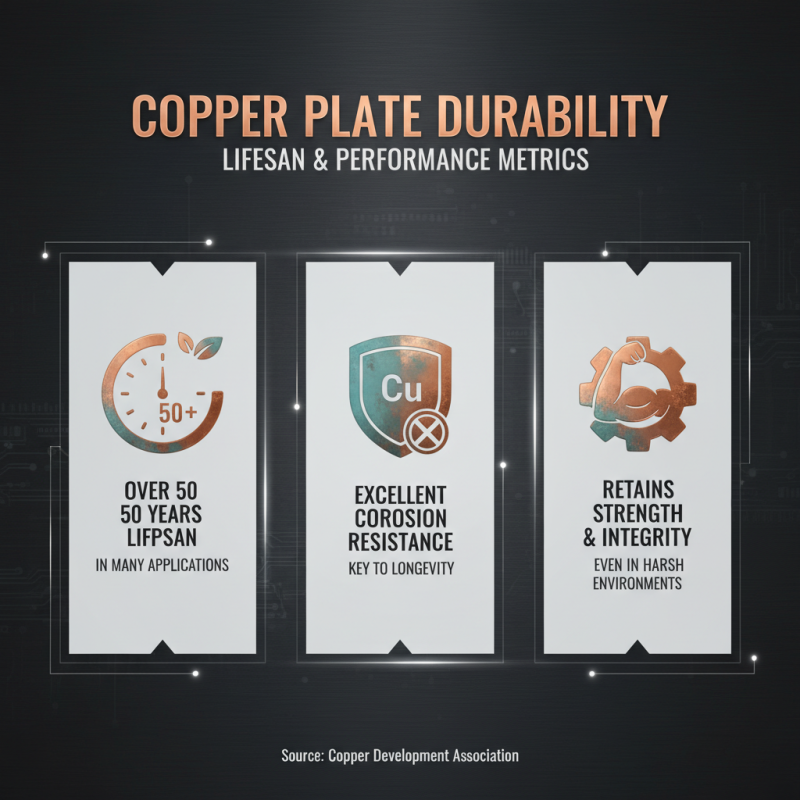
Copper plates are known for their impressive durability, making them an excellent choice for various projects. According to the Copper Development Association, copper can last over 50 years in many applications. Its resistance to corrosion is a key reason for this longevity. Even in harsh environments, copper retains its strength and integrity better than many alternatives.
Performance metrics also highlight copper's efficiency. A report from the International Copper Association notes that copper plates exhibit excellent thermal and electrical conductivity. This makes them ideal for projects where heat dissipation and electrical efficiency are critical. However, it's worth noting that while copper is durable, it requires proper maintenance to prevent tarnishing. Regular cleaning can prolong its appearance and performance, inviting a need for a hands-on approach.
The weight of copper should not be overlooked. While its heft contributes to stability, this can complicate certain installations. Balancing the benefits of durability with installation challenges is essential. Each project may require tailored solutions to maximize the advantages of copper while addressing these potential drawbacks.
Thermal and Electrical Conductivity: Advantages of Copper Plate
Copper plate stands out for its exceptional thermal and electrical conductivity. It boasts an electrical conductivity rating of 59.6 x 10^6 S/m, making it one of the most efficient materials available. This characteristic is crucial for applications like wiring and circuit boards, where reliability is key. A study by the International Copper Association notes that copper's conductivity is over 60% higher than that of aluminum, setting a benchmark in the industry.
Thermal conductivity is another significant advantage of copper plate. It reaches about 400 W/m·K, which is superior to most alternatives. This property ensures efficient heat dissipation in components such as heat sinks and electronic devices. Engineers value copper for its ability to minimize overheating, which can compromise functionality. However, sourcing high-quality copper can be a challenge. Not all suppliers meet stringent industry standards, leading to potential setbacks in project timelines.
In addition to conductivity, copper is highly durable. This longevity translates to less frequent replacements, reducing lifecycle costs. However, the fluctuating prices of copper can impact budgeting. Therefore, it is wise to consider market trends when planning a project. Despite these challenges, the advantages of copper plate frequently outweigh the cons, making it a prime choice in many engineering sectors.
Thermal and Electrical Conductivity of Copper Plate
Sustainability Benefits of Using Copper in Construction Projects
In recent years, copper has gained attention for its sustainability in construction. It is a recyclable material, which minimizes waste. Copper can be reused without losing its properties, making it an eco-friendly choice. Additionally, the production of copper is becoming more energy-efficient, reducing its carbon footprint.
Choosing copper for your project can yield significant environmental benefits. It contributes to reducing the energy required for construction. Its durability means less frequent replacements. Over time, this results in lower resource consumption. Copper also has antimicrobial properties, which promote healthier living spaces. This aspect is especially relevant in public buildings and healthcare facilities.
Tips: Consider the sourcing of copper. Look for suppliers who prioritize ethical mining practices. This ensures that your project supports responsible resource extraction. Think about the design of your project. Using copper in innovative ways can enhance aesthetics while benefiting sustainability.
Why Choose Copper Plate for Your Next Project? - Sustainability Benefits of Using Copper in Construction Projects
| Sustainability Benefits |
Description |
Impact on Environment |
Recyclability |
| Durability |
Copper is resistant to corrosion and weathering. |
Reduces the frequency of replacement, minimizing waste. |
100% recyclable without loss of properties. |
| Energy Efficiency |
Copper transmits heat and electricity efficiently. |
Lower energy consumption in buildings. |
Can be reused in new electrical installations. |
| Health Benefits |
Copper has antimicrobial properties. |
Improves indoor air quality and health. |
Easily recycled from used materials. |
| Aesthetic Appeal |
Natural beauty and can develop a unique patina. |
Enhances the visual value of buildings. |
Copper cladding can be repurposed and recycled. |
Cost-Effectiveness Analysis of Copper Plates vs. Other Materials
Copper plates have gained attention for their cost-effectiveness when compared to other materials such as aluminum and stainless steel. A recent industry report highlights that the initial costs of copper plates might be higher, but they offer significant long-term savings. Copper is notable for its excellent conductivity and durability. These traits lead to reduced operational costs in many applications, especially in electrical projects.
A study by the International Copper Association (ICA) indicates that utilizing copper can lower maintenance costs by approximately 30%. This reduction is primarily due to copper's resistance to corrosion and its longevity in various environments. For instance, installation costs for plumbing applications using copper may be offset by the reduced frequency of replacements. The life expectancy of copper products often exceeds fifty years, which is considerably longer than alternatives like PVC or less expensive metals.
While the upfront investment for copper materials may deter some projects, it's essential to evaluate the overall lifecycle costs. Project managers must also consider energy efficiency and potential savings from reduced energy consumption. In some cases, the lower initial cost of alternatives may come with hidden expenses. These can include higher energy costs and more frequent maintenance. Therefore, thorough analysis is vital when choosing materials for your next project.