How to Choose the Right Structural Steel for Your Project?
Choosing the right structural steel for your project can be a daunting task. Structural steel is the backbone of many industrial and commercial constructions. It provides strength, durability, and flexibility. Understanding the types and specifications available is crucial.
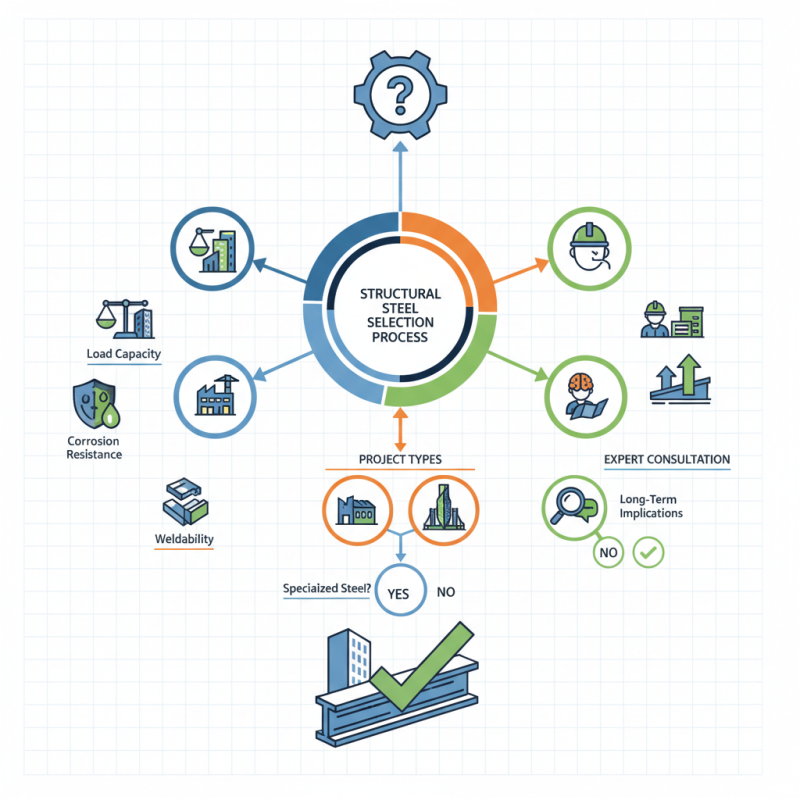
Structural steel comes in various grades and sizes. Each type has its own properties and uses. There are factors to consider, such as load capacity, corrosion resistance, and weldability. Selecting the wrong type may lead to serious project delays.
Some projects may require specialized structural steel. This can complicate the selection process. Take time to consult with experts who understand the nuances of structural steel. Their experience can help guide your choices. Often, small decisions impact the overall integrity of the structure. Always be aware of the long-term implications of your selection.
Understanding Different Types of Structural Steel Available for Use
Choosing the right structural steel is crucial for any project. Understanding the types of available steel can help streamline your decision. Common types include carbon steel, alloy steel, and stainless steel. Each has unique properties that influence performance and cost.
Carbon steel is popular in construction. It offers high strength at a lower cost. A report from the American Institute of Steel Construction indicates that over 70% of steel used in structural projects is carbon steel. Its tensile strength and ductility are key for various applications. However, it can be prone to corrosion without proper maintenance.
Alloy steel contains additional elements. These enhance its strength and resistance to harsh environments. In buildings, alloy steel is often used for bridges and cranes. It occupies a smaller market share, around 15%, according to industry analysis. Stainless steel, while more expensive, is favored for its durability and aesthetic appeal. It's vital for environments prone to moisture. Each type has strengths and weaknesses, making it essential to assess project requirements carefully.
Evaluating Project Requirements: Load, Stress, and Environmental Conditions
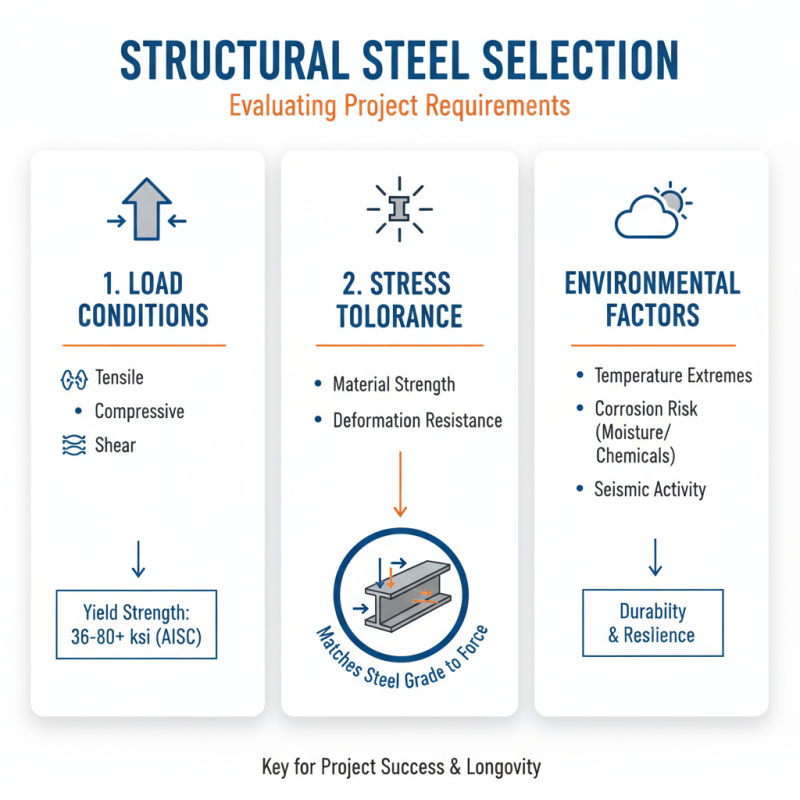
When selecting structural steel for your project, understanding load, stress, and environmental conditions is crucial. Each aspect influences the type of steel you should choose. For instance, steel grades vary in strength; some can handle extreme tensile loads better than others. According to the American Institute of Steel Construction, steel's yield strength can range from 36 ksi to over 80 ksi, making it essential to match steel properties with project requirements.
Assess your project's load requirements carefully. Static and dynamic loads must be analyzed thoroughly. For example, buildings in seismic zones need to withstand lateral forces. Reports indicate that nearly 75% of structural failures in buildings arise from improper load calculations. Consider performing simulations or consulting with structural engineers who specialize in load analysis for accurate results.
Stress conditions, such as fatigue and corrosion, should also be assessed. Environmental factors like humidity and temperature can weaken steel over time. In corrosive environments, using protective coatings can increase longevity.
Tip: Always calculate the type of stress expected over the project's lifespan. This prevents unexpected failures. Another tip: evaluate the environmental conditions thoroughly. This helps in choosing the right steel grade. Balance these factors for optimal safety and durability.
Comparing Cost and Quality Factors in Structural Steel Selection
When selecting structural steel for your project, cost and quality must be evaluated carefully. According to the Steel Construction Institute, high-quality steel can improve durability and reduce maintenance costs. However, cheaper options can lead to unforeseen expenses over the long run. It's crucial to balance the initial investment with the potential for future savings.
Consider the specifications required for your project. For instance, structural grades like S235, S355, and S460 vary significantly in terms of tensile strength and yield point. Choosing the right grade affects both performance and long-term durability. A report from the American Institute of Steel Construction notes that using higher-grade steel can reduce the required amount, potentially lowering overall costs.
Tips: Always compare different suppliers. Look for certifications that ensure quality, such as ISO and ASTM standards. Be mindful of your project's unique needs. Sometimes, opting for a slightly higher initial cost can yield greater benefits down the road.
Quality should not be sacrificed for cost. A thorough analysis of your project's requirements can reveal if any compromises are necessary. This approach might save money but can affect safety and project longevity. Choose wisely; those decisions matter significantly.
How to Choose the Right Structural Steel for Your Project?
| Steel Grade |
Yield Strength (MPa) |
Tensile Strength (MPa) |
Cost per Ton (USD) |
Weight (kg/m3) |
| S235 |
235 |
360-510 |
800 |
7850 |
| S275 |
275 |
410-560 |
850 |
7850 |
| S355 |
355 |
470-630 |
900 |
7850 |
| S460 |
460 |
550-720 |
950 |
7850 |
| Weathering Steel (Corten) |
≥ 345 |
470-620 |
1100 |
7850 |
Exploring Coating and Treatment Options for Durability and Resistance
When selecting structural steel for your project, consider coating and treatment options carefully. Durability and resistance to corrosion are critical factors. Steel can corrode when exposed to moisture, chemicals, or extreme temperatures. A suitable coating can enhance its lifespan significantly.
One effective method is hot-dip galvanization. This process involves immersing steel in molten zinc to create a protective layer. It is particularly useful in outdoor settings. Another option is powder coating, which provides a robust finish that resists chipping, scratching, and fading. It can also be tailored in various colors.
Tips: Always assess the environment where the steel will be used. Humid or coastal areas require enhanced protection. Consider your budget and project timeline when choosing coatings. Skimping on treatment can lead to higher long-term costs due to repairs. Regular maintenance checks can help spot issues early. Remember, not addressing surface protection can lead to significant challenges down the line.
Consulting with Experts: When to Seek Professional Guidance in Steel Choice
Choosing the right structural steel for a project can be overwhelming. Many factors come into play. Consulting with experts is crucial when navigating this complexity. Understanding the properties of steel grades is essential. Structural steel comes in various grades, such as ASTM A36 and A992, each with specific mechanical properties. Making informed decisions can significantly impact your project’s longevity and safety.
Industry reports indicate that up to 65% of construction failures stem from material miscalculations. A survey by the American Institute of Steel Construction shows that nearly 40% of engineers seek professional guidance during the design phase. Professionals can provide insights on weight-bearing capacities and potential environmental factors influencing material choice. They offer invaluable advice on compliance with local building codes.
Additionally, expert consultation can help mitigate risks. Overlooking load requirements can lead to structural inadequacies. Some projects face challenges due to inadequate planning or misunderstanding of steel characteristics. An experienced professional can help address these discrepancies, ensuring that you select the right steel for your specific needs. Their expertise can save time and costs in the long run by avoiding mistakes that may arise from uninformed choices.