How to Choose the Right Carbon Pipe for Your Project?
Choosing the right carbon pipe for your project can deeply impact performance and durability. A recent industry report from the American Society for Testing and Materials highlights that carbon pipes, known for their strength and light weight, are increasingly preferred in various applications. The demand for carbon pipes is projected to grow by 5% annually, indicating their importance in modern engineering.
When selecting a carbon pipe, several factors must be considered. Dimensions, thickness, and pipe grading play crucial roles. For instance, API 5L specification grades can guide you in making informed choices. Many professionals overlook these details, which can lead to subpar project results. Prioritizing these specifications helps ensure optimal performance.
Quality assurance is another critical component. Studies show that nearly 12% of carbon pipe failures stem from improper selection. This underlines the need for meticulous research and informed decisions. By understanding the nuances of carbon pipes, stakeholders can significantly enhance project outcomes and ensure reliability in high-demand environments.
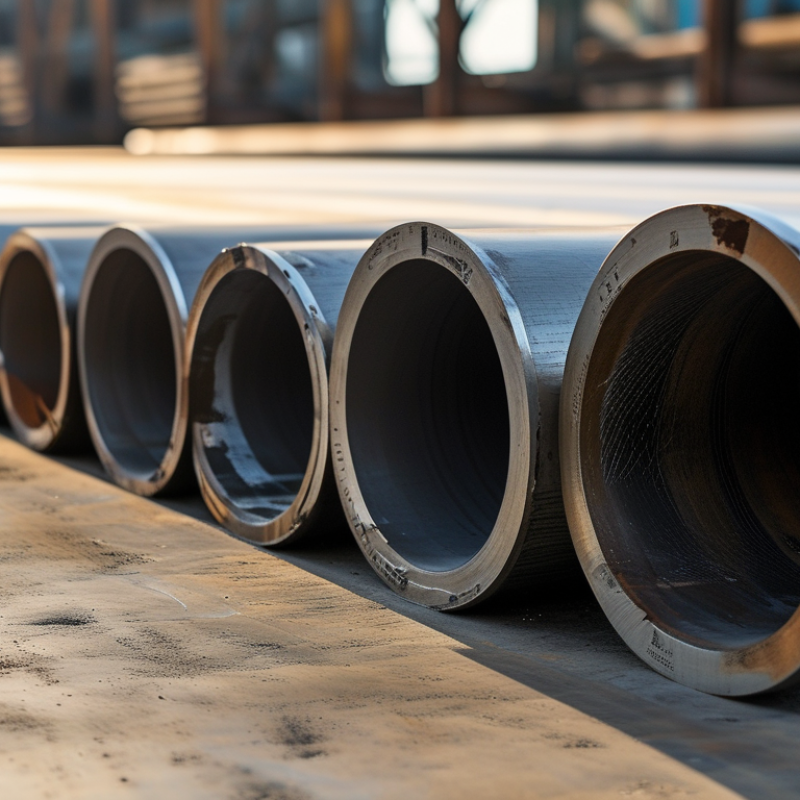
Understanding Carbon Pipe Materials and Specifications
When selecting carbon pipes, understanding materials and specifications is crucial. Carbon steel pipes are popular for their strength and durability. They are often used in construction and manufacturing. The American Society for Testing and Materials (ASTM) provides specific standards that help in choosing the right material. For example, ASTM A53 covers several grades that reflect different stress levels.
Different specifications dictate various properties. For instance, schedule 40 pipes are commonly used but may not suit all applications. In some scenarios, the thinner walls of schedule 20 or the heavier schedule 80 can be more beneficial. Consider the environmental factors too. Corrosion resistance can significantly impact longevity, and sometimes a protective coating is necessary.
While data shows that carbon pipes can last over 30 years, the choice impacts longevity. A poorly selected pipe can lead to leaks or stress failures. Regular inspections and maintenance become vital in such cases. Make an informed decision based on the specifics of your project. Understand the risks involved and the potential challenges in your application. Doing so will help ensure the best outcomes for your carbon pipe project.
How to Choose the Right Carbon Pipe for Your Project? - Understanding Carbon Pipe Materials and Specifications
| Pipe Type |
Material Grade |
Wall Thickness (mm) |
Diameter Range (inches) |
Typical Applications |
| Seamless Carbon Pipe |
ASTM A106 |
3-40 |
1/2 - 24 |
Oil & Gas, Power Plants |
| Welded Carbon Pipe |
ASTM A53 |
2-12 |
1/2 - 30 |
Construction, Water Supply |
| Carbon Steel Pipe |
ASTM A335 |
5-20 |
3/4 - 16 |
Chemicals, Petrochemicals |
| High-Strength Carbon Pipe |
API 5L X60 |
4-25 |
2 - 36 |
Gas Transmission, High-Pressure Lines |
Evaluating Project Requirements for Carbon Pipe Selection
When selecting the right carbon pipe for your project, understanding your project requirements is crucial. Start by assessing the environment where the pipe will be installed. Will it face high pressure or extreme temperatures? Identifying these factors helps narrow down your options significantly. In industrial settings, the wrong pipe material can lead to failures and costly downtime.
Next, consider the specific application for the carbon pipe. Different projects might require different mechanical properties. Does it need to be lightweight or heavy-duty? Think about the installation conditions as well. Tight spaces might limit your choice of pipe diameter. Always evaluate whether the pipe’s chemical resistance is adequate for the materials it will carry.
It’s also important to reflect on past experiences. Many professionals have faced issues from overlooking key specifications. A minor detail, such as resistance to corrosion, can turn into a major problem later. Testing and validation are essential steps in the selection process. Relying solely on theoretical knowledge without practical insights can be misleading. Therefore, balancing both aspects is necessary for informed decisions.
Carbon Pipe Selection Criteria
This bar chart illustrates the importance rating of various criteria when selecting the right carbon pipe for your project. Each criterion is rated on a scale of 1 to 10, highlighting aspects such as cost, durability, weight, corrosion resistance, and availability.
Assessing the Different Types of Carbon Pipes Available
Choosing the right carbon pipe for your project involves understanding the different types available. Carbon pipes vary based on material properties, applications, and manufacturing methods. Common types include seamless and welded pipes.
Seamless pipes are preferred for high-pressure applications due to their integrity and strength. According to industry reports, seamless pipes account for approximately 70% of the market in demanding sectors like oil and gas.
Welded carbon pipes are often more cost-effective. They come in large sizes, making them versatile for various applications. However, their welds can be potential weak points. Experts suggest that while they enable easy handling, the long-term performance may not match that of seamless options. Additional considerations include the pipe's grade and wall thickness, which directly affect performance under specific conditions.
It's essential to assess the project requirements carefully. Certain applications may necessitate higher grades, while others may allow for lower-cost options. Balancing cost and performance can be challenging. Understanding the environmental conditions, such as corrosion exposure, adds complexity. Data from the American Society of Mechanical Engineers indicate that improper selection can lead to failures, resulting in significant losses.
Key Factors to Consider When Choosing Carbon Pipes
Choosing the right carbon pipe for your project requires careful consideration. Several key factors play vital roles in this decision-making process. Understanding these factors can guide you toward making an informed choice.
One vital consideration is the pipe's thickness. Thicker pipes offer better durability but can be heavier and more challenging to install. This factor can impact your overall project efficiency. Evaluate the load-bearing requirements of your project and balance strength against usability.
Another crucial factor is the pipe's carbon content. Higher carbon content pipes provide increased strength but may reduce ductility. Consider your project's specific needs, like pressure requirements or potential impact forces. This reflection can help ensure the right balance between strength and flexibility.
Tips: Always test prototypes if possible. Real-world testing reveals issues that theoretical assessments may miss. Pay close attention to welding compatibility. Not all carbon pipes are easy to weld, which may affect your construction process. Select based on the intended use and expected conditions, laying a solid foundation for project success.
Best Practices for Sourcing and Purchasing Carbon Pipes
When sourcing carbon pipes for your project, consider these best practices. The global carbon steel pipe market was valued at around $50 billion in 2020. Anticipating growth, it is essential to recognize the quality of materials. Low-grade carbon pipes can lead to leaks and failures. Research suppliers thoroughly. Look for those with industry certifications.
Tips: Always ask for relevant testing certifications. It ensures the pipes meet required standards.
Pricing can vary widely. While low costs may seem attractive, they can indicate inferior quality. The American Society for Testing and Materials (ASTM) provides guidelines to ensure material integrity. Pay attention to the diameters and wall thicknesses that align with your project requirements. Selecting the correct size helps avoid safety hazards and inefficient operations.
Tips: Create a checklist to evaluate each supplier. Include criteria like delivery times and customer service. This will help streamline your sourcing process.