2026 How to Choose the Right Galvalume Coil for Your Project?
Selecting the right Galvalume Coil for your project is vital for achieving durability and efficiency. Galvalume, known for its impressive corrosion resistance, is an alloy coating of zinc and aluminum. According to the Metal Building Manufacturers Association, Galvalume has a lifespan of 60 years in most environments, making it a preferred choice for many construction projects.
Understanding the specific needs of your project is essential. Factors like local climate, installation method, and aesthetic preferences play crucial roles. A 2022 report from the American Galvanizers Association indicates that buildings using Galvalume can save up to 30% in energy costs. However, not all Galvalume products are equal. It’s essential to evaluate their quality certifications and coatings to ensure optimal performance.
While Galvalume offers many benefits, challenges can arise. For instance, improper installation can lead to premature coating failure. Moreover, navigating the vast sea of product options can be overwhelming. Careful consideration and consultation with experts are necessary to avoid costly mistakes. Choosing the right Galvalume Coil is not just a decision; it’s a commitment to quality and longevity.
Understanding Galvalume Coil: Definition and Composition
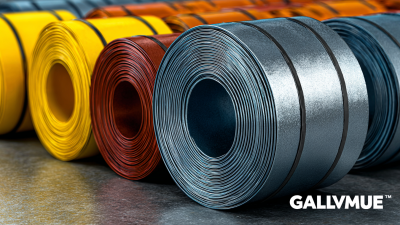
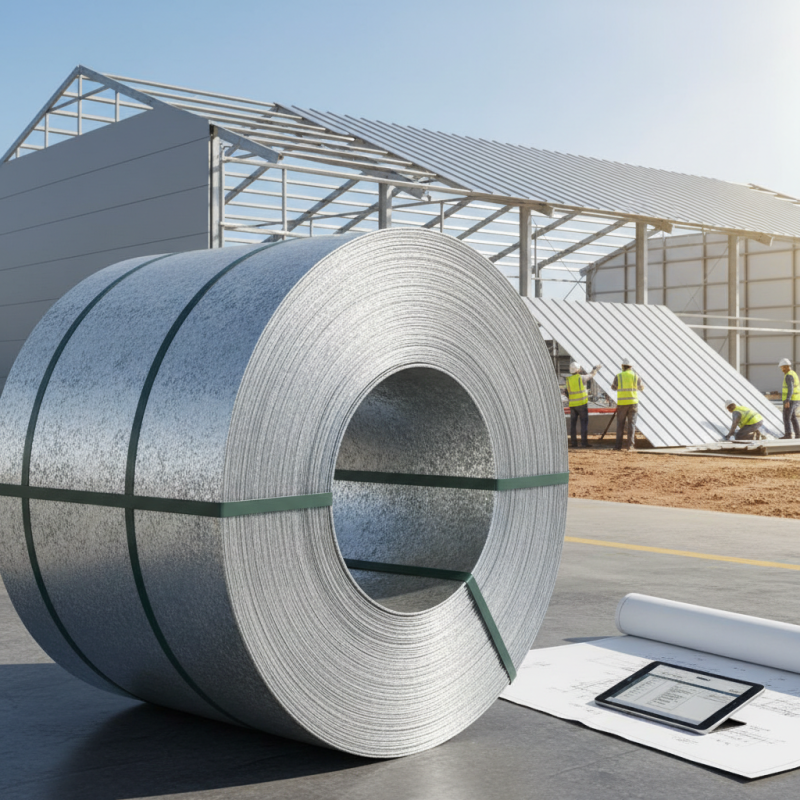
Galvalume coil is a unique material primarily composed of steel coated with a blend of aluminum and zinc. This combination provides excellent corrosion resistance, making it suitable for various applications. The aluminum layer offers durability, while zinc protects against rust. This dual coating creates a robust material that can withstand harsh environmental conditions.
Understanding the right galvalume coil begins with its thickness and coating weight. Both factors affect the material's longevity and performance. Thicker coils typically provide added strength, but they may be heavier. The coating weight also influences corrosion resistance. A higher weight usually means better protection, but it might impact costs and processing ease.
Many projects require careful consideration of environmental factors. For instance, areas with high humidity might need coils with higher zinc content. It’s essential to reflect on these choices. Cost savings from thinner coils could lead to more frequent replacements. Balance is key when choosing the right galvalume coil for any construction or manufacturing project.
2026 Galvalume Coil Thickness Options and Their Applications
This chart illustrates the various thickness options of Galvalume coils and their corresponding applicability in various construction projects. The thickness of the coil affects its strength and suitability for different uses in building and roofing applications.
Key Factors to Consider When Selecting Galvalume Coil
When selecting Galvalume coil for your project, several key factors should be considered. The first aspect is the coating thickness. Thicker coatings provide better corrosion resistance. This is particularly important for projects in harsh environments, such as coastal areas. Understanding the specific needs of your project can guide your choice of coating.
Another factor is the substrate material. Galvalume combines aluminum and zinc, offering excellent durability. However, the underlying steel can affect its overall performance. It's vital to assess the environmental exposure and intended use. For roofing, specifications might differ significantly from siding applications. The balance between aesthetics and functionality must be kept in mind.
Cost is also a significant aspect. While cheaper options may seem appealing, they can lead to higher maintenance costs. Investing in quality can save money in the long run. However, can you determine the actual value? Comparing various suppliers and their offerings can be time-consuming but is necessary. Striving for a balance between cost and quality is essential for making the right choice in Galvalume coils.
Applications of Galvalume Coil in Various Industries
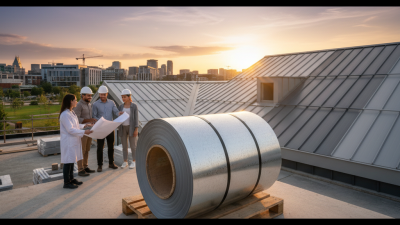
Galvalume coil is becoming increasingly popular across various industries due to its durability and corrosion resistance. Its primary application is in the construction sector. Buildings often use Galvalume for roofing and siding. The material offers a shiny, sleek finish, boosting aesthetics while providing essential protection. Recent reports indicate that the construction industry is projected to grow by 4% annually, highlighting the increasing demand for quality materials like Galvalume.
In addition to construction, Galvalume coil sees extensive use in automotive manufacturing. This sector values the material for its lightweight characteristics and superior strength. In fact, around 10% of new cars produced now feature Galvalume components, reflecting a shift towards sustainable materials. This trend emphasizes the role of Galvalume in enhancing fuel efficiency and reducing emissions. However, its performance can vary based on environmental conditions.
The appliance industry also benefits from Galvalume. Products like refrigerators and washers use it for added durability. Despite its advantages, manufacturers face challenges with surface finish quality. Variability in production processes can affect appearance and functionality. Monitoring these factors is crucial for maintaining industry standards, particularly in an age where consumer expectations are high. Understanding these nuances can guide manufacturers in their choices.
2026 How to Choose the Right Galvalume Coil for Your Project? - Applications of Galvalume Coil in Various Industries
| Industry |
Application |
Thickness (mm) |
Coating Weight (g/m²) |
Color Options |
| Construction |
Roofing and Siding |
0.4 - 0.7 |
120 - 275 |
Silver, Grey, Blue |
| Automotive |
Body Panels |
0.5 - 1.0 |
200 - 450 |
Black, White, Customized |
| HVAC |
Ductwork |
0.5 - 0.8 |
150 - 300 |
Silver, Grey, Decorative Coatings |
| Appliances |
Casing and Components |
0.6 - 1.2 |
100 - 350 |
Glossy White, Black, Steel Gray |
| Energy |
Solar Panel Frames |
0.5 - 0.7 |
210 - 400 |
Metallic Silver, Custom Colors |
Comparing Galvalume Coil with Other Coating Options
When considering Galvalume coil for your project, it’s essential to compare it with other coating options. Galvalume, made of zinc and aluminum, offers excellent corrosion resistance. This makes it an attractive choice for roofing and siding applications. However, it's not without drawbacks. While it performs well in many environments, some regions with heavy salt exposure might require different coatings.
Investigating alternatives like standard galvanized steel or organic coatings can be beneficial. Galvanized steel has a protective zinc layer, but it may not last as long in extreme conditions. Organic coatings can provide color and aesthetics, yet they might wear down faster under UV radiation or harsh weather. The longevity and performance of these materials vary greatly based on environmental factors. It’s crucial to evaluate the specific needs of your project before making a decision.
Ultimately, no coating is perfect. Galvalume may be ideal for some applications but could leave you wanting in others. Weighing the pros and cons of each option gives you a clearer picture. Engaging in discussions with professionals can also reveal insights about real-world performance. Always consider local conditions and project requirements when making your final choice.
Tips for Sourcing High-Quality Galvalume Coil Products
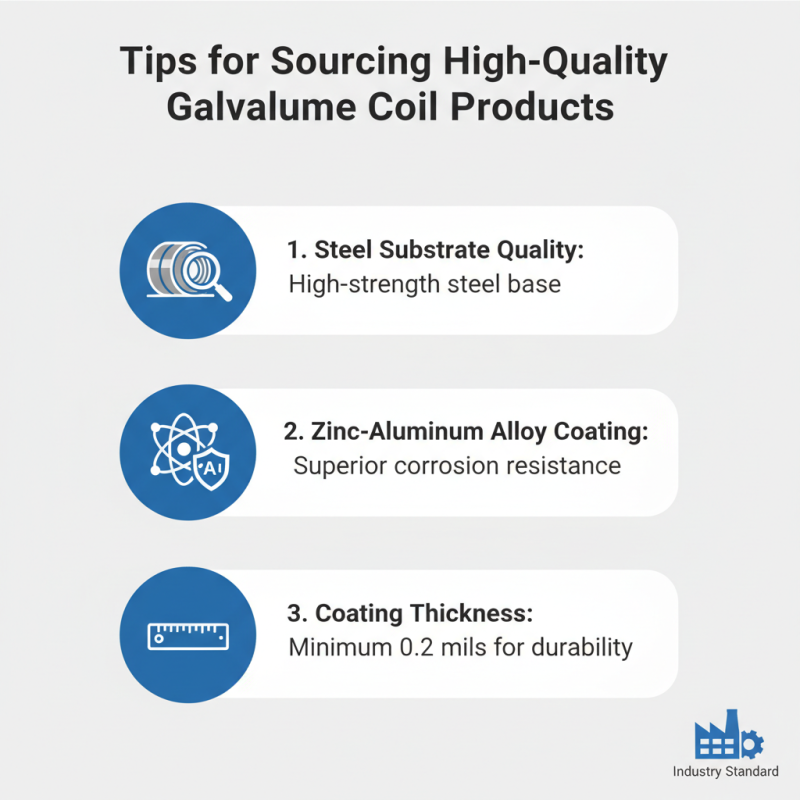
When sourcing high-quality Galvalume coil products, it’s essential to consider the steel substrate’s quality. According to the latest industry reports, Galvalume coils typically use a high-strength steel base with a zinc-aluminum alloy coating. This coating offers superior corrosion resistance, crucial for durability. A minimum coating thickness of 0.2 mils is recommended for most applications to ensure longevity.
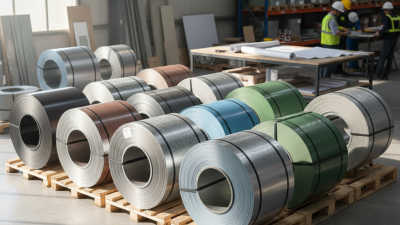
Quality assurance in manufacturing is vital. Look for products that meet ASTM A792 standards, which define the requirements for these materials. Many suppliers conduct rigorous testing, ensuring proper adhesion and metallurgical integrity. A lack of transparency in sourcing can lead to lower durability and increase long-term costs. Pay attention to supplier credentials and their commitment to quality processes.
Additionally, the origin of materials plays a critical role. Ensure that the Galvalume coil is manufactured in recognized facilities with certifications. A strong attribute of reputable suppliers is their willingness to provide test reports. These documents verify compliance with industry standards and assure you of the product's quality. Failing to undertake due diligence may result in unexpected failures and increased maintenance demands down the line.