How to Choose the Right Steel Pipe for Your Construction Projects
When embarking on a construction project, one of the crucial materials to consider is the steel pipe. Its versatility, strength, and durability make it an essential component in various applications such as plumbing, structural support, and infrastructure development. However, selecting the right steel pipe from the vast array of options available can be a daunting task. Understanding the specific requirements of your project, including the type of construction, environmental factors, and load specifications, is key to making an informed decision.
Steel pipes come in several grades, dimensions, and coatings, each tailored to meet distinct needs. A thorough familiarization with these variables will not only enhance the integrity of the structure but also ensure compliance with safety standards. Furthermore, the choice of steel pipe can impact project costs significantly, emphasizing the need for a careful assessment of both quality and budget constraints. By taking the time to explore the various types of steel pipes and their best uses, you can effectively align your choice with the objectives of your construction project and achieve lasting, reliable results.
Overview of Steel Pipe Types Used in Construction
When selecting steel pipes for construction projects, it’s crucial to understand the different types available and their specific applications.
One common type is the seamless steel pipe, which is manufactured without any joints, resulting in greater strength and durability. These pipes are often used in high-pressure applications, such as in oil and gas pipelines, where robustness is paramount.
Additionally, the smooth interior of seamless pipes minimizes the risk of corrosion and flow restrictions, making them ideal for critical operations.
Another widely used option is the welded steel pipe.
These pipes are made by welding pieces of steel together, allowing for more versatile lengths and diameters. They are commonly used in structural applications, such as in building frames and other support systems, where the strength of the weld can provide adequate support.
Welded pipes can also be more cost-effective than seamless options, making them suitable for a range of construction projects that do not require extreme pressure ratings. Understanding these types of steel pipes and their distinct properties can greatly influence project outcomes and overall structural integrity.
Factors to Consider When Choosing Steel Pipes
When selecting the right steel pipes for construction projects, several critical factors should be taken into account to ensure the longevity and effectiveness of the structures being built. One of the primary considerations is the type of steel used in the pipes. According to the American Institute of Steel Construction (AISC), structural steel has a specific yield strength that varies depending on the grade. For instance, pipes made from ASTM A53 Grade B steel can withstand higher pressures compared to those made from lower grades, making them suitable for a wider range of applications, including high-pressure systems.
Another significant factor is the pipe diameter and wall thickness, which directly influence the flow capacity and structural integrity. The American Water Works Association (AWWA) provides guidelines on sizing steel pipes for water distribution systems, indicating that larger diameters are preferred in high-demand scenarios to minimize energy loss due to friction. Additionally, wall thickness affects the pipe's ability to handle external loads and corrosion, highlighting the need for protective coatings or corrosion-resistant materials in environments prone to rust and wear.
Lastly, compliance with industry standards and certifications is essential. Organizations like the International Organization for Standardization (ISO) provide certifications that ensure the pipes meet safety and performance criteria. Choosing pipes that comply with these standards can significantly reduce the risk of project delays and enhance the overall safety of construction practices. By considering these factors—steel type, diameter and thickness, and adherence to industry regulations—contractors can make informed decisions that lead to successful construction outcomes.
Steel Pipe Types and Their Common Uses
Assessing the Load-Bearing Capacity of Steel Pipes
When selecting steel pipes for construction projects, one of the most critical factors to consider is their load-bearing capacity. This capacity determines how much weight the pipes can support without compromising structural integrity. To accurately assess load-bearing capacity, consider the diameter and wall thickness of the pipes, as these dimensions significantly influence their strength.
Tips: Always refer to load charts and structural calculations provided by manufacturers to guide your selection process. It’s also essential to consider the type of loads—whether they are static or dynamic, as this will affect your choice of pipe material and formation.
Additionally, ensure that you factor in safety margins during your assessment. Load-bearing capacity is not a static measurement; environmental factors like temperature and corrosion can alter performance. Regular inspections and maintenance schedules will help keep your steel pipes functioning safely over time.
Tips: Implementing a routine check on your steel pipes can help identify potential problems early. Consider using coatings or corrosion-resistant materials to enhance pipes’ longevity, especially in harsh environments.
The Role of Coatings and Finishes in Steel Pipe Selection
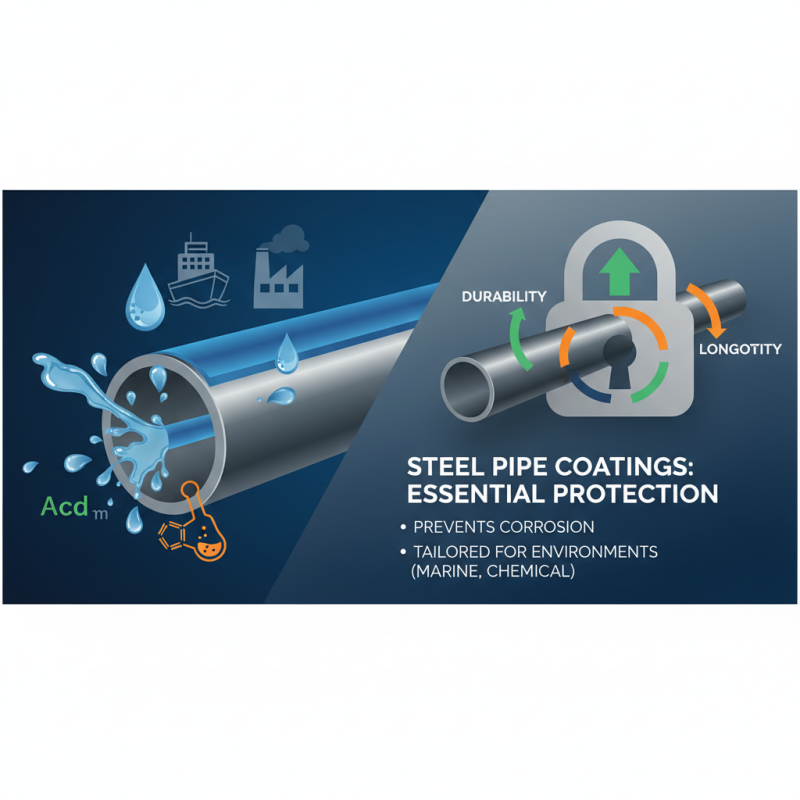
When selecting steel pipes for construction projects, the importance of coatings and finishes cannot be overstated. Coatings serve as protective barriers that enhance the durability and longevity of steel pipes, particularly in harsh environments. A well-chosen coating can prevent corrosion, even in areas exposed to moisture, chemicals, or extreme temperatures. It is essential to consider the specific conditions the pipes will face; for instance, marine applications might require coatings that are resistant to saltwater, while pipes in chemical processing should possess finishes that withstand aggressive substances.
In addition to corrosion resistance, coatings can also impact the performance characteristics of steel pipes. Some finishes can reduce friction, improving fluid flow in applications like water supply or oil transport. Additionally, aesthetic finishes may be necessary for visible installations where appearance is a concern. When evaluating coatings, factors such as adhesion, flexibility, and thickness must be assessed to ensure they meet project requirements. Ultimately, the right choice of coating not only safeguards the structural integrity of steel pipes but also contributes to overall project efficiency and success.
Cost Comparison and Budgeting for Steel Pipe Options
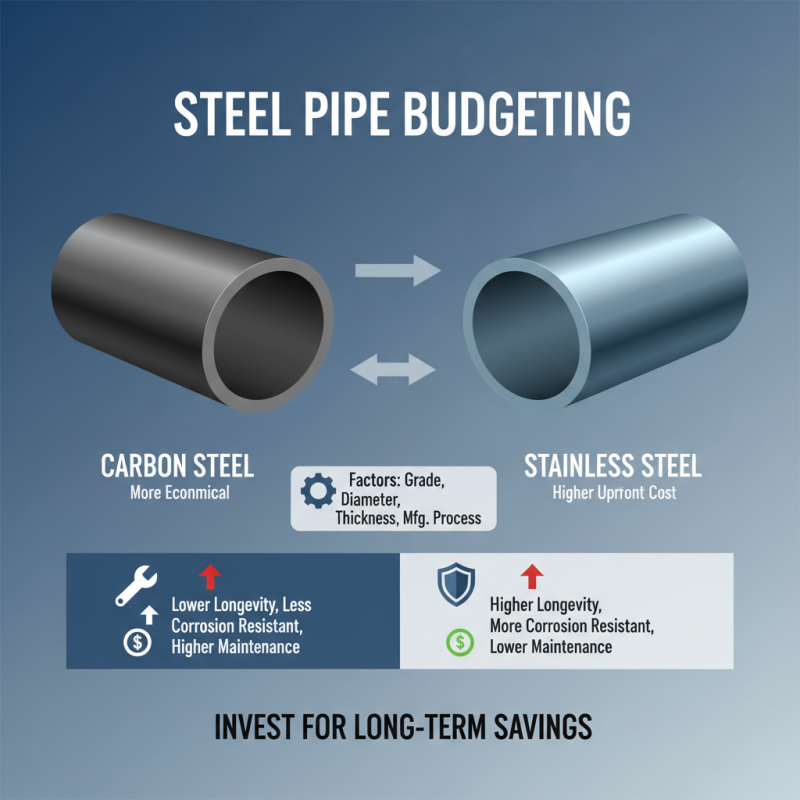
When budgeting for steel pipe options in construction projects, it's essential to understand the cost variations among different types of steel pipes. Factors such as material grade, diameter, wall thickness, and manufacturing processes significantly influence pricing. Typically, carbon steel pipes are more economical compared to stainless steel, but the choice will depend on the specific requirements of your project. Consider the longevity and resistance to corrosion needed for your application, as spending slightly more upfront on a higher-grade pipe can lead to savings in maintenance and replacement costs down the line.
**Tips:** Always obtain multiple quotes from suppliers to compare prices effectively. Don't just consider the base price of the steel pipe; factor in additional costs like shipping and handling. Evaluate the total cost of ownership, which includes installation and long-term maintenance, as this will give you a clearer picture of your budget and help avoid unexpected expenses.
When assessing your budget, take into account the quantity of steel pipes needed and the potential for bulk discounts. Larger orders can significantly reduce per-unit costs. Implementing a thorough analysis of your project's requirements will enable you to select steel pipe options that maximize both quality and cost-efficiency, ensuring your construction project remains within budget while meeting all necessary specifications.