Top Color Coated Coil Buying Tips for Global Importers
In the global market, selecting the right Color Coated Coil is crucial for importers. This product serves various industries, from construction to automotive. The vibrant colors and durable finish make these coils a preferred choice. However, the buying process can be complex, and mistakes can be costly.
Understanding the specifications and quality standards is vital. Importers often face challenges, like fluctuating prices and varied suppliers. Researching reliable manufacturers can help mitigate these risks. Moreover, being aware of the latest trends in Color Coated Coil can enhance purchasing decisions.
Importers should not overlook the environmental impact. Selecting eco-friendly coatings is increasingly important in a sustainable future. Balancing quality and cost while considering environmental concerns requires careful thought. Ultimately, informed decisions will yield the best results in an ever-changing market.
Understanding Color Coated Coils: Types and Applications
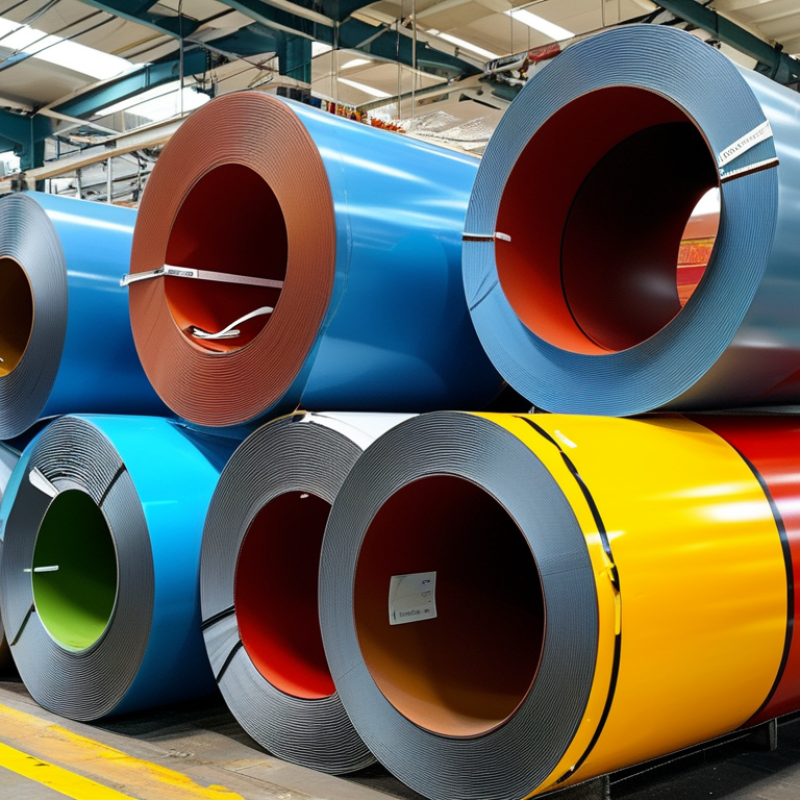
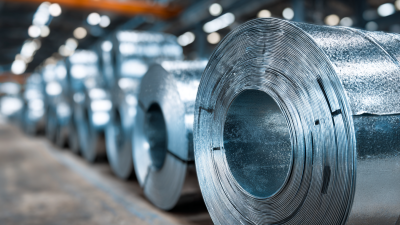
Color coated coils are integral in various industries, from construction to automotive. They come in different types, such as galvanized and stainless steel. The primary appeal lies in their aesthetic variability and durability. According to a recent industry report, the global market for color coated coils is projected to reach $25 billion by 2026. This data reflects their growing applications in architectural structures and consumer goods.
In construction, these coils provide a weather-resistant solution. These materials are often used for roofing and wall cladding. The color choices available meet diverse design requirements. Studies show that color-coated materials can increase energy efficiency by reflecting solar rays. However, not all coatings are created equal. Understanding the various coatings, such as polyester and polyurethane, is crucial for importers. The right choice affects both performance and lifespan.
Importers should consider quality standards during procurement. This can be challenging, as inconsistencies exist across suppliers. A comprehensive inspection protocol helps mitigate risks. Additionally, fluctuations in raw material prices may impact overall costs. Staying informed about industry trends is vital. Engaging with experts can clarify these complexities, helping to navigate the ever-changing market landscape.
Key Factors to Consider When Selecting a Supplier
When selecting a supplier for color coated coils, it’s crucial to evaluate their experience in the industry. An experienced supplier understands customer needs better. They also know the intricacies of manufacturing processes. Look for suppliers with a proven track record. This can save you from potential pitfalls.
Another key factor is the quality of the materials used. Inquire about the coatings and substrates. Ask if they adhere to international standards. Reliable materials ensure durability and performance. Lower quality may lead to increased costs in the long run. Consider visiting facilities to assess product quality first-hand.
Price is significant, but it shouldn’t be the sole focus. Sometimes, cheap options compromise on quality. Compare offers but value the total cost of ownership. Subpar coils could lead to more repairs and replacements. Don’t rush into decisions. Take time to reflect on potential outcomes. Balancing price and quality is essential for a successful partnership.
Evaluating Quality Standards and Certifications in the Industry
When importing color coated coils, understanding quality standards is crucial. Look for certifications that demonstrate compliance with international norms. Common ones include ISO, ASTM, and EN standards. These certifications ensure the products meet safety and performance requirements. Failure to verify such standards might lead to poor quality materials and subsequent project delays.
Evaluate the manufacturing processes used by suppliers. Not all factories adhere to the same quality benchmarks. Some may cut corners to save costs. Understanding these differences is vital. Request detailed information about their quality control measures. Ask for reports and third-party inspections.
Inspect the product samples before making a bulk purchase. Poor color consistency or coating thickness can signify manufacturing issues. Many importers overlook these details, leading to dissatisfaction. Rigorous testing helps avoid regret later. Ensure that the supplier can provide documentation to support their claims about product performance.
Top Color Coated Coil Buying Tips for Global Importers
| Aspect |
Details |
Quality Standards |
Certifications |
| Material Composition |
Galvanized Steel, Aluminum |
ASTM A755, EN 10142 |
ISO 9001, CE |
| Coating Type |
Polyester, PVDF |
ASTM D523, ASTM D4214 |
SGS, GSV |
| Thickness |
0.3 mm to 1.2 mm |
JIS G3302 |
TUV |
| Color Range |
RAL, Pantone |
GB/T 18899 |
ISO 14001 |
| Surface Treatment |
Pre-Painted, Anodized |
ASTM B117 |
RoHS, REACH |
Cost Analysis: Pricing Strategies for Global Importers
When importing color coated coils, pricing strategies play a crucial role in ensuring profitability. Most importers must consider raw material costs, manufacturing processes, and transport expenses. These factors significantly impact the final price. Understanding the market dynamics helps buyers make informed decisions.
Negotiation is essential in this process. Importers should request multiple quotes from suppliers. Variations in pricing can help identify competitive offers. Additionally, consider bulk purchasing to leverage discounts. This strategy can reduce the overall cost per unit and improve profit margins.
Importers often face challenges, such as fluctuating prices due to global supply and demand. Staying updated with market trends is vital. Tracking price changes over time allows for better budgeting and foresight in purchasing decisions. It’s an area where reflection and adjustment are necessary. Recognizing these patterns leads to smarter, more strategic buying practices.
Logistics and Shipping Considerations for Importing Coils
When importing color-coated coils, logistics and shipping play crucial roles. Understanding transportation options is essential.
Sea freight is often preferred for large orders due to cost-effectiveness. However, air freight may be necessary for urgent shipments. Each method has its pros and cons. This means balancing speed with budget is key.
Customs clearance is another area that requires attention. Ensuring proper documentation can prevent delays. Importers should be aware of regulations in the destination country. Incomplete paperwork can lead to fines or shipment holds. Hiring a knowledgeable customs broker may save time.
Packaging is also vital. Coils should be secured properly to prevent damage during transit. This protects your investment. However, not all suppliers prioritize sturdy packaging. Some coils may arrive with scratches or dents. Regularly assessing supplier reliability is crucial for consistent quality.