What is Copper Strip and Why is it Important for Buyers?
Copper Strip is a vital component in various industries. It finds applications in electronics, construction, and manufacturing. Buyers should recognize its importance due to its versatility and conductivity. Understanding copper strip is critical for making informed purchasing decisions.
The quality of copper strip varies significantly. Factors like purity, thickness, and surface finish play a role. Without attention to these details, buyers may face challenges in their projects. A subpar copper strip can lead to failures in electrical connections and structural integrity. Thus, selecting the right supplier is crucial.
Buyers must consider market trends and pricing too. Copper strip prices fluctuate based on global demand. Staying informed helps avoid overpaying. Knowledge about suppliers’ reputations can guide buyers towards reliable sources. Ultimately, making educated choices about copper strip ensures successful outcomes in any project.
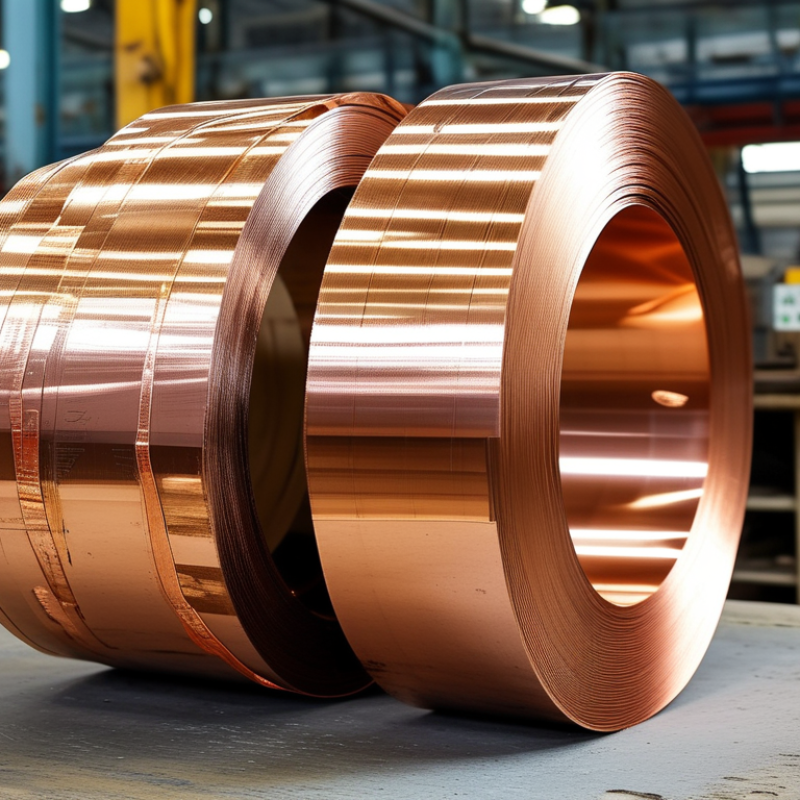
Understanding Copper Strip: Definition and Composition
Copper strip is a highly versatile material widely used in various industries. It is primarily composed of pure copper, which provides excellent conductivity and durability. The strip is available in different thicknesses and widths, allowing it to meet specific requirements for electrical and industrial applications. The conductive properties of copper make it an essential choice for electrical wiring and connectors.
Understanding the composition of copper strip helps buyers make informed decisions. The purity of the copper affects its performance in electrical applications. Higher purity levels typically result in better conductivity. Additionally, investments in quality copper strip often yield long-term benefits, reducing maintenance costs. However, not all copper strips are created equal, and cheap alternatives may arise in the market.
Buyers must be cautious about sourcing copper strip. Evaluating suppliers’ reputations and considering the strip's sourcing origin is crucial. Transparency in production and material composition should guide purchase decisions. Many buyers overlook these details, leading to issues in project execution and long-term reliability. Proper analysis ensures that buyers avoid subpar materials that fail to meet industry standards.
What is Copper Strip and Why is it Important for Buyers?
| Dimension |
Description |
Uses |
Composition |
| Thickness |
Typically ranges from 0.1mm to 5mm. |
Electrical and thermal conductivity applications. |
Copper (Cu) - 99%+ |
| Width |
Custom widths available from 10mm to over 1m. |
Manufacturing of bus bars and connectors. |
Copper alloys (brass, bronze optional) |
| Length |
Standard lengths may vary, often up to 3m. |
Construction, electrical components. |
Pure copper with minimal impurities |
| Finish |
Available in mill finish or polished. |
Electronics, home appliances. |
Surface treated for corrosion resistance |
Key Applications of Copper Strip in Various Industries
Copper strip is a versatile material with key applications across various industries. Its excellent conductivity makes it crucial in electrical applications. For instance, the global copper market is expected to reach $200 billion by 2025, driven by demand from the renewable energy sector. Solar panels and electric vehicles heavily rely on copper strip for efficiency. According to a report by Research and Markets, the demand for copper in the automotive industry will increase by 22% in the coming years.
In construction, copper strip is used for roofing and plumbing. Its resistance to corrosion extends the lifespan of these installations. A study from the Copper Development Association highlights that buildings with copper components have a lower total cost of ownership. Surprisingly, some builders still overlook copper's benefits due to higher initial costs.
In electronics, copper strip is essential for circuit boards. Nearly 60% of all copper produced is used in electrical applications. This contributes significantly to tech advancements. Yet, some manufacturers struggle with sourcing high-quality copper strip. Quality issues can lead to performance failures, emphasizing the need for reliable suppliers. The increasing complexity of electronic devices poses challenges for consistency in copper strip production.
Market Trends: Copper Strip Demand and Pricing Dynamics
Copper strips have become essential in various industries due to their electrical conductivity and malleability. Industries such as construction, electrical manufacturing, and automotive are witnessing increased demand for copper strips. This surge in interest is driving significant changes in pricing dynamics within the marketplace.
Market trends indicate that the demand for copper strips is climbing steadily. Factors such as green technologies and renewable energy solutions are contributing to this trend. The electrical vehicle sector is a notable driver, as it requires extensive copper components. However, fluctuating raw copper prices can complicate buyer decisions. Uncertainties in global supply chains also impact pricing, making it crucial for buyers to stay informed.
As buyers navigate the market, understanding these dynamics becomes paramount. The implications of geopolitical events or mining regulations can affect available supply and prices. Buyers should also consider long-term contracts to secure better rates. Engaging with reliable suppliers and industry experts can provide valuable insights. The evolving landscape demands thoughtful strategies to ensure purchase timing aligns with market conditions.
Quality Standards and Grades of Copper Strip for Buyers
Copper strips are essential materials in various industries. Their quality is critical for buyers seeking reliability. Understanding the grades and standards of copper strip can help ensure that manufacturers meet specific requirements.
Several standards govern the production of copper strips, such as ASTM and EN specifications. These standards define the mechanical properties, conductivity, and other characteristics that determine the strip's performance. Buyers should look for certified suppliers who comply with these standards. Quality control measures should be in place to ensure consistency.
Grades of copper strip range from C11000 to C12000, each with distinct properties. Higher grades often exhibit better conductivity and corrosion resistance. Buyers may face challenges when assessing these grades, especially when quality assurance processes are not transparent. It’s essential to conduct thorough research and possibly seek expert advice. This attention to detail helps in making informed decisions that align with project specifications.
The Role of Copper Strip in Sustainability and Recycling Practices
Copper strip plays a vital role in sustainability and recycling practices. As industries seek to reduce their carbon footprint, copper's recyclability sets a benchmark. According to the International Copper Study Group, around 80% of copper can be recycled without losing its properties. This feature significantly reduces the need for new copper mining, which harms the environment.
Recycling copper strip helps conserve energy and resources. The process of recycling copper uses 85% less energy than producing new copper from ore. This statistic underscores the value of sustainable practices. Copper products not only save energy but also contribute to the circular economy. When bought and recycled, they minimize waste and preserve resources for future generations.
For buyers, choosing copper strip is a strategic decision. Consider the origin and recycling practices of your supplier. Understanding these factors ensures that your purchase supports sustainability. Look for suppliers who prioritize ethical sourcing and recycling. Knowledgeable buyers can make choices that positively impact the environment, enhancing the broader goal of sustainability in the industry.