Essential Tips for Sourcing Aluminum Plates Globally?
Sourcing aluminum plates on a global scale requires careful planning and strategy. The demand for aluminum plates spans various industries, including aerospace, automotive, and construction. Understanding the nuances of sourcing is essential for businesses to thrive.
When selecting suppliers, it is crucial to evaluate their credentials and capabilities. Not all suppliers offer the same quality of aluminum plates. Businesses must conduct thorough research to avoid pitfalls. Relying solely on price can lead to compromised quality and reliability in the long run.
Establishing relationships with trusted suppliers can enhance sourcing efficiency. However, not every collaboration works out as planned. Some suppliers may fail to deliver on time or meet specifications. Companies need to be adaptable and ready to pivot when challenges arise. Overall, a strategic approach to sourcing aluminum plates can lead to successful outcomes, even if the journey has its bumps.

Understanding the Global Aluminum Plate Market Dynamics
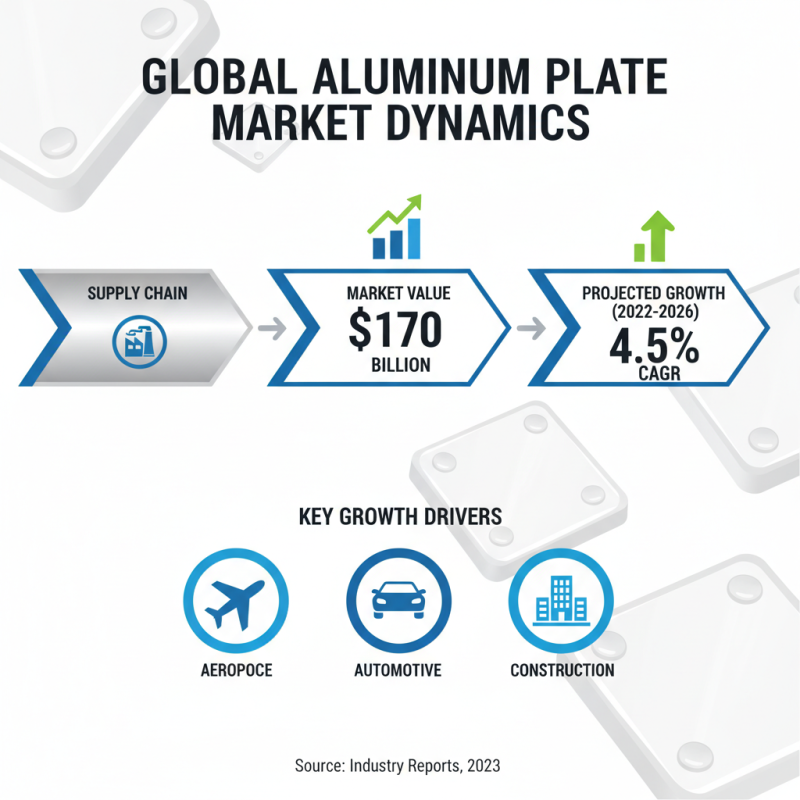
Understanding the global aluminum plate market requires a closer look at its supply chain dynamics. Recent reports indicate that the global aluminum market is valued at approximately $170 billion, with continuous growth projected over the next few years. Analysts predict a compound annual growth rate (CAGR) of about 4.5% through 2026. This growth is driven by rising demand in aerospace, automotive, and construction industries.
Sourcing aluminum plates globally can be complex. Key factors include production capacity and geographical location of suppliers. Europe and Asia dominate aluminum production. However, fluctuations in raw material costs significantly impact pricing. For example, bauxite prices increased by roughly 10% recently, complicating sourcing strategies. It's crucial to monitor these price trends. Understanding local regulations also plays a vital role. Different regions have distinct environmental standards that manufacturers must comply with.
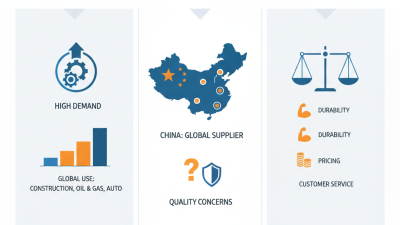
Challenges persist in this market. Quality assurance is paramount but can be inconsistent across suppliers. Variable quality can lead to production delays. Establishing strong relationships with reliable suppliers is essential. This approach can mitigate risks associated with sourcing low-quality materials. Continuous evaluation of suppliers may be necessary for optimal outcomes. Developing a strategic sourcing plan will ensure quality and compliance in a fluctuating market.
Identifying Reliable Suppliers for Aluminum Plates Worldwide
When sourcing aluminum plates globally, identifying reliable suppliers is crucial. The global aluminum market has grown significantly, with a projected value of over over $200 billion by 2026, according to industry reports. This growth highlights the importance of choosing the right partners. A reliable supplier not only provides quality products but also adheres to international standards.
Evaluating suppliers requires careful consideration. Look for certifications such as ISO 9001, which reflects a commitment to quality management. Reviews and testimonials from previous clients can offer insights into a supplier's reliability. Sometimes, these reviews highlight weaknesses in customer service or delivery times that could impact your projects. Be skeptical of suppliers who promise excessively quick delivery times, as this often signals overextension.
Additionally, geographical proximity can influence logistics and costs. Suppliers from regions with advanced production facilities tend to offer better quality. However, this does not always assure dependability. Some manufacturers may have superior technology but lack a proven track record of customer satisfaction. Regularly revisiting supplier relationships can help maintain quality and service standards. Always be prepared to reassess partnerships based on your requirements and supplier performance.
Evaluating Quality Standards and Certifications for Aluminum Products
When sourcing aluminum plates globally, one critical aspect is understanding quality standards and certifications. Quality assurance is vital for ensuring that the materials meet specific industry requirements. Not all suppliers adhere to the same standards. Researching common certifications, like ISO and ASTM, can guide your selection.
Certifications provide a framework for evaluating a supplier's reliability. They indicate adherence to international safety and quality benchmarks. However, relying solely on certificates can be misleading. Some suppliers may possess certifications without delivering high-quality products. It's essential to dig deeper. Investigate their production processes and historical performance.
Don't overlook the importance of inspections. Regular quality audits can reveal inconsistencies. Engaging third-party inspectors can provide an unbiased assessment of the quality of the aluminum plates. Consider visiting facilities if feasible. Physical inspections can help build trust and verify the actual conditions of the production line.
Essential Tips for Sourcing Aluminum Plates Globally
| Quality Standard |
Certification Body |
Country of Origin |
Alloy Types |
Thickness Range (mm) |
| ISO 9001 |
SGS |
USA |
6061, 5052 |
2 - 50 |
| ASTM B209 |
Bureau Veritas |
Canada |
7075, 2024 |
3 - 40 |
| EN 485 |
TÜV Rheinland |
Germany |
1050, 1350 |
1 - 25 |
| JIS H 4000 |
Japan Quality Assurance Organization |
Japan |
A1050, A2024 |
2 - 30 |
Strategies for Negotiating Pricing and Terms with Suppliers
Negotiating pricing and terms with suppliers is crucial in sourcing aluminum plates globally. Start by researching market prices and understanding current trends. This helps establish a baseline for negotiations. Use this information to create a clear starting point.
Transparency about your expectations builds trust. Be open about your budget constraints while expressing the need for quality.
When discussing terms, clarity matters. Define payment methods, delivery timelines, and quality standards upfront. These discussions can highlight areas for flexibility. If a supplier can’t meet your pricing needs, consider discussing volume discounts or long-term agreements. This shows that you value a partnership, not just a transaction.
Make sure to create a comfortable environment for dialogue. Sometimes, suppliers may not initially reveal their best offers. Building rapport can lead to better terms. Listen carefully to their constraints, too. Reflecting on their needs may help you find a mutually beneficial arrangement. Negotiation is not just about winning; it’s about building a solid foundation for future dealings.
Logistics and Shipping Considerations for Global Aluminum Procurement
When sourcing aluminum plates globally, logistics and shipping are crucial. Consider the regions where aluminum is produced. Understanding each region's shipping regulations can save time and money. Every country has different rules, and compliance is essential. Research tariffs and duties that may apply to your shipments. Unexpected charges can impact your budget.
Transportation methods also play a role. Air freight is fast but costly, while sea freight is more economical and suitable for large orders. Weigh the pros and cons based on your timeline and budget. Additionally, track shipments actively. Delays may occur due to various factors, including weather or customs bureaucracy. Keeping an open line with your suppliers will help manage expectations.
It is wise to prepare for potential disruptions. Natural disasters or political unrest can affect shipping schedules. Have contingency plans in place. Finding reliable logistics partners is key. Quality partners can streamline the entire shipping process. By prioritizing these logistics and shipping aspects, you enhance the efficiency of your global aluminum procurement.