What is Hot Rolled Steel Coils and How Are They Used?
Hot Rolled Steel Coils are essential in various industries, including construction and manufacturing. They are produced by passing steel through large rollers at high temperatures. According to industry expert Jane Smith, "Hot Rolled Steel Coils provide the foundation for many structural applications." This reveals their significance in modern engineering.
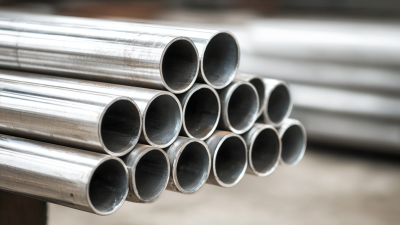
These coils are characterized by their strength and flexibility. They are often used to create beams, pipes, and other building components. However, one must consider quality control. Not all hot rolled steel meets the highest standards. Some variations in thickness and surface can occur, leading to potential issues in final products.
In summary, while Hot Rolled Steel Coils offer numerous advantages, the industry faces challenges. Quality inconsistency can affect performance. Therefore, careful selection and testing are vital. The right choices can greatly impact project success.
What is Hot Rolled Steel Coils?
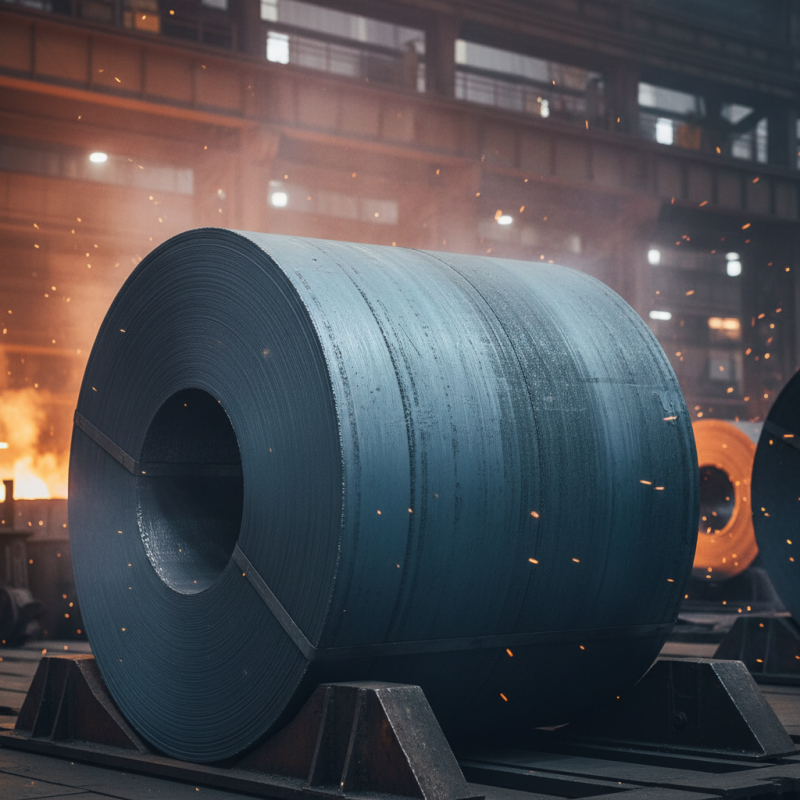
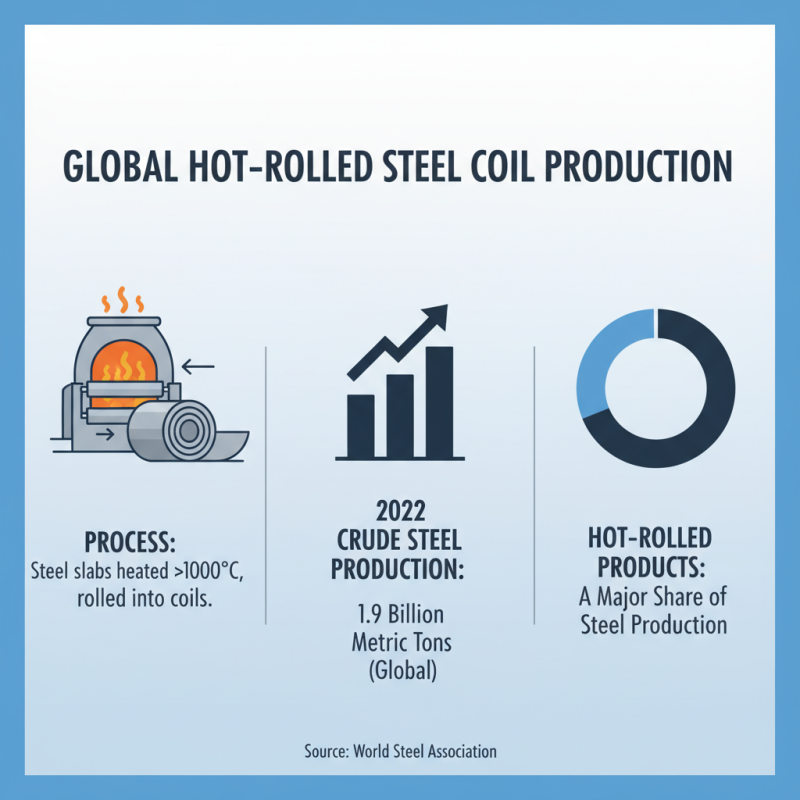
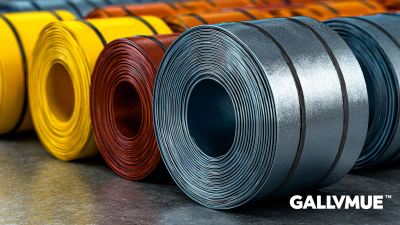
Hot rolled steel coils are a fundamental product in the steel industry. They are created by heating steel slabs above their recrystallization temperature and then passing them through rollers. This process gives hot rolled steel coils their distinct mechanical properties. According to the World Steel Association, global crude steel production reached 1.9 billion metric tons in 2022. A significant portion of this production is attributed to hot rolled products.
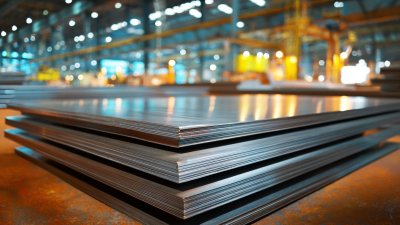
These coils are used in various applications, including construction and automotive industries. For instance, they are vital in manufacturing beams, sheets, and plates. Hot rolled steel coils have less internal stress. However, they can also have uneven thickness and surface imperfections. This can sometimes lead to waste during fabrication. According to a report by Research and Markets, the demand for hot rolled steel is expected to grow at a CAGR of 3.2% from 2023 to 2028. Yet, the industry faces challenges with fluctuating prices and environmental regulations.
Quality control remains a concern in steel production. Some batches may not meet desired specifications, leading to setbacks in downstream manufacturing. Transparency in the supply chain is crucial. Implementing better technologies for inspection can reduce some of these issues. The ongoing pursuit of improved methods is necessary as the industry evolves.
The Manufacturing Process of Hot Rolled Steel Coils
Hot rolled steel coils are manufactured through a straightforward process. It begins with heating steel slabs in a furnace. The temperature reaches around 1,700 degrees Fahrenheit. This makes the steel malleable and ready for shaping. The heated slabs are then passed through a series of rollers. These rollers compress the slabs into thin sheets. The thickness can vary based on the requirements.
Once the metal is rolled, it cools down. This cooling process is critical for the final properties. Sometimes, the steely ribbon may warp or develop imperfections. These flaws can affect the strength and usability of the coils. Manufacturers often need to inspect the coils for such inconsistencies. Quality checks become essential in maintaining standards. They ensure the coils meet various engineering needs. Additionally, hot rolled steel coils are widely used in construction and automotive industries. Their versatility is both a benefit and a challenge. Users must select appropriate applications carefully.
Key Properties and Characteristics of Hot Rolled Steel Coils
Hot rolled steel coils are widely recognized for their unique properties. They are formed by rolling steel at high temperatures, typically above 1,700°F. This process leads to a variety of characteristics that make them desirable in construction and manufacturing.
One key property of hot rolled steel coils is their adaptability. They are easy to shape and form into different products. This flexibility makes them suitable for various applications, such as structural beams and automotive parts. However, achieving precise dimensions can be a challenge. The cooling process can cause slight warping or changes in shape, which may require additional adjustments.
Another important characteristic is their surface finish. Hot rolled steel often has a rough exterior. While this is expected, it may not always meet aesthetic standards. These coils can also exhibit scale or oxidation after exposure to air. Despite these imperfections, they remain strong and durable, making them a reliable choice for many industries.
Hot Rolled Steel Coils - Key Properties and Characteristics
This bar chart illustrates the key properties of hot rolled steel coils, highlighting their yield strength, tensile strength, elongation, thickness, and width. These characteristics are essential for understanding the material's performance in various applications.
Common Applications of Hot Rolled Steel Coils in Various Industries
Hot rolled steel coils are widely utilized in various industries due to their versatility and cost-effectiveness. In construction, these coils are often transformed into beams, columns, and plates. According to recent industry reports, over 50% of hot rolled steel production goes to construction applications. This is largely thanks to its malleability, allowing for easy shaping without the risk of cracking. Despite their strengths, some projects require careful planning to avoid distortions during fabrication.
In automotive manufacturing, hot rolled steel coils play a crucial role. They are typically used for chassis components and structural parts. Research indicates that the automotive industry consumes approximately 30% of globally produced hot rolled steel. While the properties of these coils ensure durability, there are challenges regarding weight efficiency and safety. Engineers must balance strength with weight reduction, often needing innovative designs to optimize performance.
The appliance sector also benefits from hot rolled steel coils. These coils are transformed into various products, including refrigerators and washing machines. The durability of hot rolled steel allows for long-lasting performance. Yet, there remain concerns regarding energy efficiency in appliances made from these materials. As industries advance, there is a pressing need for solutions that improve both durability and sustainability.
What is Hot Rolled Steel Coils and How Are They Used? - Common Applications of Hot Rolled Steel Coils in Various Industries
| Application Area |
Description |
Common Uses |
| Construction |
Hot rolled steel coils are used to produce various structural elements in buildings. |
Beams, columns, and metal framing. |
| Automotive |
Used in manufacturing components which require high strength and ductility. |
Car frames, chassis, and body panels. |
| Manufacturing |
Hot rolled steel is a core material in machinery fabrication. |
Machine parts and industrial equipment. |
| Energy |
Applied in construction of pipelines and storage tanks. |
Oil and gas pipelines and tanks. |
| Shipbuilding |
Essential for building hull structures and frames. |
Cargo ships and tankers. |
Advantages and Disadvantages of Using Hot Rolled Steel Coils
Hot rolled steel coils are widely used in various industries due to their unique properties. They are produced by heating steel slabs above their re-crystallization temperature, making them easier to shape and stretch. This process gives the coils a rough surface finish, which can sometimes be a disadvantage. The rough texture can affect the appearance of finished products. Additionally, these coils can be more prone to rust if not properly treated.
One major advantage of hot rolled steel coils is their strength and durability. They are often used in construction and manufacturing. The material is less expensive than cold rolled steel, making it an attractive option for many projects. However, precision can be an issue. Hot rolled coils tend to have less accurate dimensions compared to cold rolled products. This means they may require additional processing, adding costs and time.
Another consideration is that while hot rolled steel can handle extreme temperatures and pressures, it can be less malleable than cold rolled steel. This limits its applications in scenarios requiring high precision. It's crucial to evaluate the specific needs of a project before choosing hot rolled steel coils. Understanding these advantages and disadvantages can ensure better decision-making and project outcomes.