What is Round Pipe Uses Types and Benefits?
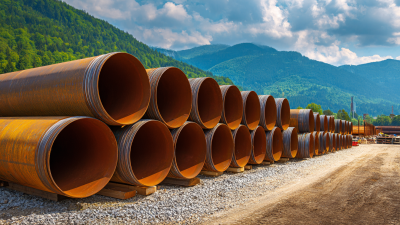
Round pipes are widely used in various industries due to their versatile nature. They serve as essential components in construction, plumbing, and manufacturing. The circular shape of a round pipe provides strength and durability, making it ideal for different applications.
In plumbing, round pipes transport water efficiently. Their design minimizes resistance, allowing for smooth flow. In construction, these pipes can be found in frameworks and supports. They can handle substantial loads without deforming. Additionally, round pipes are often used in automotive and machinery applications.
Despite their advantages, selecting the right type of round pipe can be complex. Various materials and sizes are available, each offering distinct benefits. Users may overlook essential details, leading to inefficient choices. Understanding round pipes' specific uses and benefits is crucial for making informed decisions. Embracing this knowledge can enhance both functionality and performance in projects.
What is Round Pipe? Definition and Key Characteristics
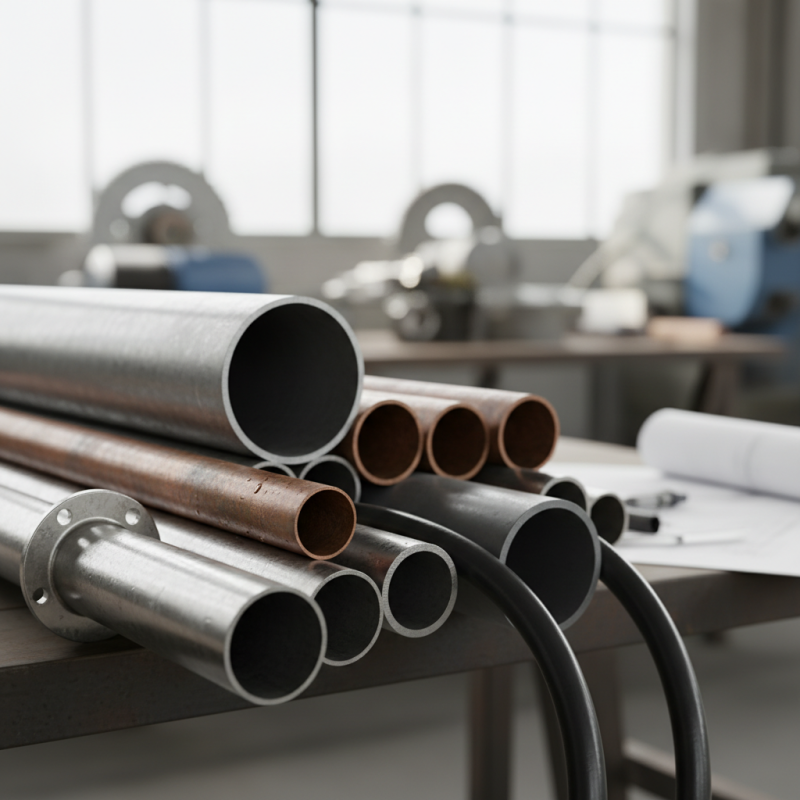
Round pipes are common in various industries. They are cylindrical tubes made from diverse materials like steel, plastic, and aluminum. These pipes have a smooth surface that offers low friction. This characteristic is essential for fluid flow applications. Round pipes come in different diameters and wall thicknesses. This versatility makes them suitable for many uses.
The key characteristics of round pipes include their strength and durability. They can withstand high pressure and temperature. This is beneficial in plumbing and gas distribution systems. Their circular shape offers uniform strength, reducing the risk of weak points. However, proper installation is crucial. Misalignment can lead to inefficiencies or failures.
Beyond traditional uses, round pipes have artistic applications too. They can be seen in sculptures and decorative railings. It's interesting to see how such a simple shape can serve multiple purposes. Nonetheless, concerns over material sustainability arise. Rethinking material choices is essential as industries evolve. Balancing functionality with eco-friendliness presents a challenge worth addressing.
What is Round Pipe Uses Types and Benefits?
| Type of Round Pipe |
Material |
Common Uses |
Benefits |
| Galvanized Steel Pipe |
Steel coated with zinc |
Water supply, HVAC systems |
Corrosion resistance, durability |
| PVC Pipe |
Polyvinyl Chloride |
Drainage, irrigation |
Lightweight, easy to install |
| Copper Pipe |
Copper |
Refrigeration, plumbing |
Excellent thermal conductivity |
| Aluminum Pipe |
Aluminum |
Structural applications, automotive |
Lightweight, corrosion resistant |
| Stainless Steel Pipe |
Stainless Steel |
Food and beverage industry, chemical processing |
High strength, hygienic properties |
Common Materials Used in Round Pipe Manufacturing
Round pipes are widely used across various industries, from construction to manufacturing. The materials chosen for round pipe production profoundly impact performance and durability. Common materials include steel, aluminum, PVC, and copper. Each has unique characteristics that make it suitable for specific applications.
Steel remains the most popular choice. Reports indicate that approximately 70% of round pipes in construction are made from steel. Its strength and resilience against corrosion are key benefits. Conversely, aluminum pipes offer a lightweight alternative. About 20% of users in the aerospace industry prefer aluminum for its excellent strength-to-weight ratio. It's vital to note that aluminum is less durable than steel in high-pressure environments.
PVC pipes constitute a significant portion of plumbing applications. Their resistance to chemicals and moisture makes them indispensable. However, they are not suitable for high-temperature applications. This limited use can lead to suboptimal performance in certain contexts. Copper, while expensive, is valued for its antimicrobial properties. Yet, its susceptibility to corrosion can deter some users. Striking the right balance between cost and functionality is essential in material selection for round pipes.
Major Types of Round Pipes and Their Industrial Applications
Round pipes are essential in various industries. Their circular shape allows for efficient fluid and gas transportation. Major types include steel, PVC, and copper pipes. Each type serves unique purposes. Steel pipes are widely used in construction. PVC pipes find their place in plumbing. Copper pipes are favored in electrical applications.
Steel pipes are durable and can withstand high pressure. According to industry reports, the global steel pipe market was valued at over $100 billion in 2020. This segment continues to grow. Steel pipes are often used in oil and gas pipelines, due to their strength. However, they can be prone to corrosion if not properly maintained.
PVC pipes, on the other hand, are lightweight and affordable. They're ideal for residential plumbing and irrigation systems. The PVC market is projected to exceed $30 billion by 2025. Yet, concerns over environmental impact linger. Copper pipes are known for their excellent conductivity but can be more expensive. Each type of round pipe presents strengths and weaknesses. Solutions are needed to address sustainability in pipe manufacturing.
Benefits of Using Round Pipes in Various Sectors
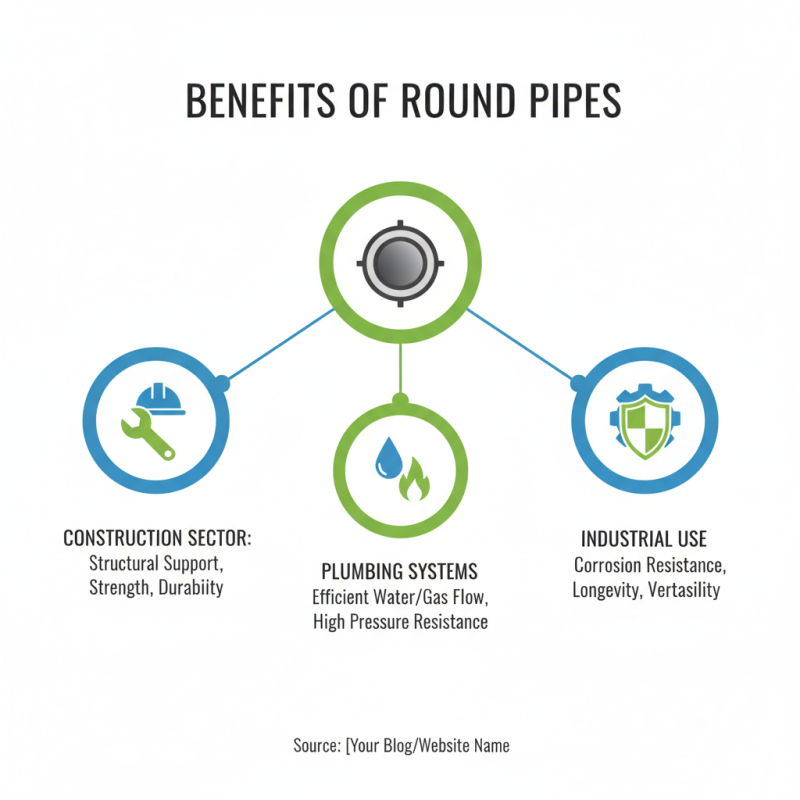
Round pipes are widely used across various sectors due to their numerous advantages. In construction, they serve as structural support and are preferred for their strength. Additionally, they facilitate water and gas flow in plumbing systems. Round pipes can resist high pressure and corrosion, ensuring durability and longevity.
In the automotive industry, these pipes are crucial for exhaust systems, allowing efficient gas flow. Their shape aids in reducing back pressure, which enhances engine performance. Moreover, in manufacturing, round pipes are instrumental for framing and supports. The smooth surface makes it easier to clean, reducing maintenance efforts.
Despite these benefits, not every application suits round pipes. In some cases, modifications may be necessary to fit specific conditions. Complications may also arise when trying to connect different pipe types. Therefore, understanding the context is vital. Proper selection and installation can make a significant difference in performance and efficiency.
Industry Statistics on Round Pipe Market Growth and Demand Trends
The round pipe market is witnessing impressive growth. According to recent industry statistics, the global round pipe market is projected to reach a valuation of $150 billion by 2025, expanding at a CAGR of 5.6%. The demand remains strong across various sectors like construction, automotive, and oil and gas. These industries rely on round pipes for structural support, fluid transportation, and mechanical applications.
In the construction sector, round pipes are essential. They are widely used for scaffolding, drainage systems, and plumbing. The infrastructure development is boosting their demand. For example, around 60% of new residential buildings incorporate round pipes. Yet, not all projects utilize these materials efficiently. Some construction companies overlook maintenance needs, leading to early deterioration.
Tip: Always consider the application. Understanding the specific requirements can help in choosing the right type of round pipe.
Another influential factor is the rising emphasis on sustainability. The market sees a shift toward eco-friendly materials. At least 30% of manufacturers now offer recycled options. However, some buyers are still hesitant to embrace these alternatives. They worry about costs and performance.
Tip: Review your options. Compare traditional and sustainable pipes to make informed choices. A balance between cost and sustainability is key.