Top 10 China Steel Pipe Suppliers for Global Buyers?
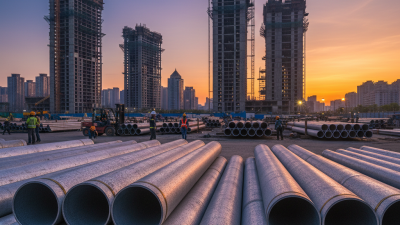
In the global construction and manufacturing sectors, steel pipes play a crucial role. These products are vital for various applications, including oil and gas transport, construction, and infrastructure projects. With China's booming steel industry, countless suppliers are emerging to meet global demand. However, choosing reliable suppliers can be challenging.
In this landscape, quality and consistency are critical. Buyers must consider factors like production capacity, service quality, and industry certifications. The top steel pipe suppliers not only excel in producing durable products but also ensure timely delivery and customer support. They understand the nuances of international markets and logistics.
Despite the abundance of options, not all suppliers deliver ideal results. Some may fall short in meeting quality standards or handling export requirements. It’s essential to conduct thorough research. Buyers should verify supplier credentials and client reviews. A well-informed decision will lead to better partnerships and successful projects.
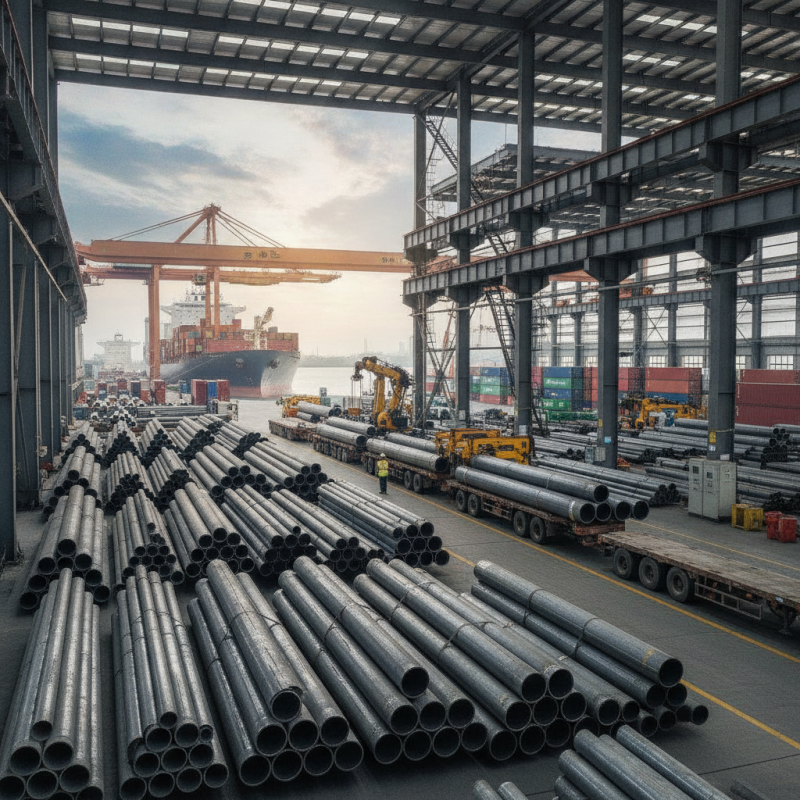
Overview of China’s Steel Pipe Industry and its Global Impact
China's steel pipe industry has seen rapid growth over the years. This surge is driven by increasing global demand. Factors such as urbanization and infrastructure development boost steel consumption worldwide.
Chinese manufacturers excel in producing various types of steel pipes. They offer products for sectors like construction, oil, and gas. However, quality control remains a challenge. Some manufacturers struggle to meet international standards consistently. Buyers should conduct thorough research before making purchasing decisions.
Networking with trusted suppliers is crucial. It aids in building long-term partnerships. Additionally, understanding market fluctuations helps in making informed choices. The dynamic nature of this industry often leads to price changes. Hence, maintaining flexibility is important for global buyers.
Top 10 China Steel Pipe Suppliers for Global Buyers
Key Criteria for Evaluating Steel Pipe Suppliers in China
When evaluating steel pipe suppliers in China, several key criteria emerge. The quality of materials is paramount. According to a 2021 report by Global Industry Analysts, the demand for high-quality steel pipes has surged by 5% annually. This shows that buyers prioritize durability and compliance with international standards.
Pricing structures can vary widely. It is essential to understand how suppliers calculate costs. A competitive price often reflects material quality and manufacturing processes. Transparency in pricing helps build trust. Additionally, lead times are crucial. Many buyers cannot afford delays. Data from the China Steel Pipe Industry Association indicates that 30% of industries face production downtime due to long delivery times.
Certifications play a significant role in supplier evaluation. A lack of proper certifications can be a red flag. Many buyers overlook this detail. It is important to recognize that unverified suppliers might offer lower prices. However, such options may result in poor quality products. Investing time in supplier research could save significant costs in the long run.
Top 10 China Steel Pipe Suppliers: A Comparative Analysis
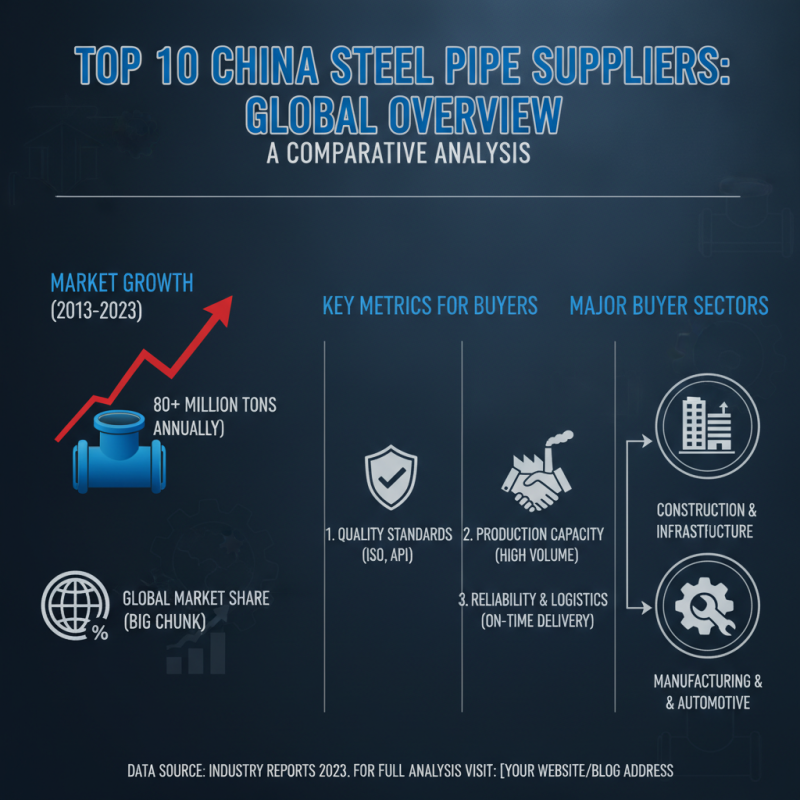
China's steel pipe industry has witnessed remarkable growth over the past decade. The country now produces over 80 million tons of steel pipe annually, reflecting a significant share of the global market. This expansion has attracted buyers from various sectors, including construction and manufacturing. It's essential for global buyers to evaluate suppliers based on quality, production capacity, and reliability.
A comparative analysis of top suppliers reveals varying strengths. Some excel in advanced manufacturing techniques, ensuring high durability and performance. The use of cutting-edge technology, such as automated welding systems, enhances product consistency. Additionally, market reports indicate that approximately 70% of buyers prioritize quality over price, highlighting the importance of investing in premium products. Meanwhile, some suppliers still struggle with production inefficiencies, leading to delays and inconsistent delivery schedules.
While many suppliers boast impressive certifications, not all adhere to the highest standards. Quality assurance processes can differ significantly across manufacturers. Industry studies show that about 30% of international buyers have experienced quality issues with specific suppliers. This disparity underscores the need for thorough vetting. Buyers should conduct comprehensive evaluations and audits to ensure supplier reliability. The landscape certainly requires ongoing reflection and improvement to foster stronger partnerships in the global market.
Case Studies of Successful Global Partnerships with Chinese Suppliers
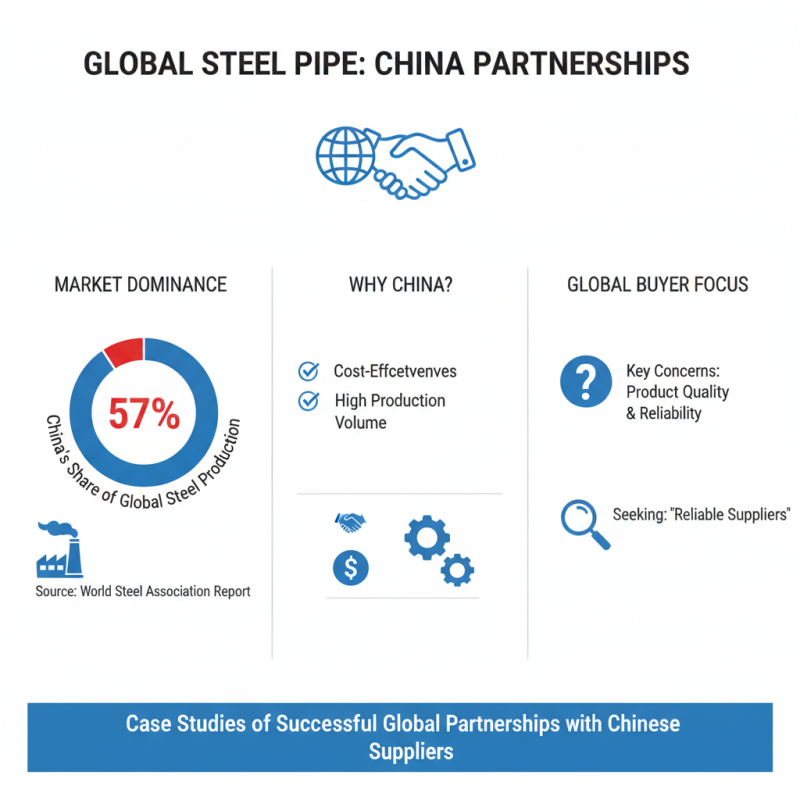
In the global steel pipe market, partnerships with reliable suppliers are essential. Many international buyers are turning to Chinese suppliers for their quality and cost-effectiveness. According to a report by the World Steel Association, China's steel production accounts for nearly 57% of the global total. This impressive figure highlights the country's dominance in steel manufacturing. However, the quality of products often raises concerns for global buyers.
Case studies reveal that successful partnerships hinge on effective communication and trust. One case involved a North American company that sourced stainless steel pipes from China. Initial challenges included inconsistent quality and delivery timelines. By working closely with the supplier, the company implemented stricter quality control measures. Over time, the supplier improved their processes, boosting the company's confidence in their products.
Such success stories emphasize the importance of due diligence. Buyers must assess not only price but also the supplier's capabilities. A report from MarketsandMarkets indicates that the steel pipe market is expected to reach $120 billion by 2025. This growth underscores a need for reliable partnerships. While many suppliers offer competitive prices, buyers should focus on long-term relationships. Trust and ongoing improvement are key for sustained success.
Future Trends in China’s Steel Pipe Supply Chain and Export Markets
China's steel pipe supply chain is evolving rapidly. Recent trends indicate a shift towards sustainability in production processes. Many manufacturers are adopting green technologies. This reduces waste and lowers carbon emissions. It reflects the global push for more eco-friendly practices. Steel pipe suppliers are also finding ways to enhance efficiency. Investments in automation and innovation are becoming common.
Export markets are adapting as demand changes. Many countries are increasing their import of Chinese steel pipes. They seek quality and reliable supply. However, challenges remain in logistics and compliance. Fluctuating tariffs and trade regulations create uncertainty. Suppliers must stay informed about global market dynamics.
Building relationships with local partners is key. Collaboration can help navigate complexities in foreign markets. Understanding cultural differences is essential. It enhances negotiation and communication. Suppliers need to balance growth with responsible practices. This creates a foundation for sustainable success and reliability in the industry.