2026 Top Copper Pipes for Global Buyers What to Know?
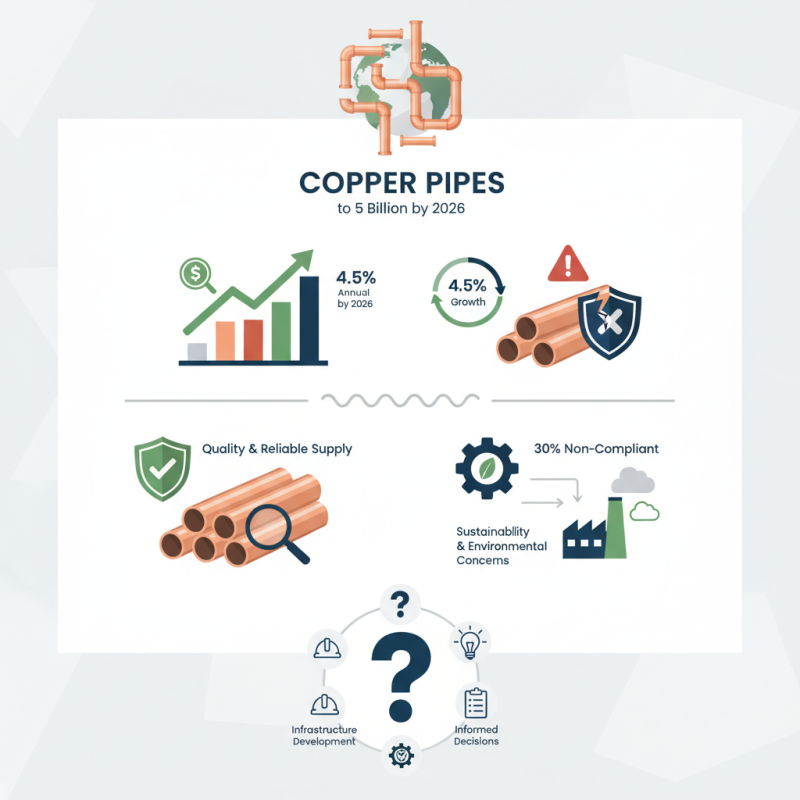
Copper pipes play a crucial role in various industries worldwide. With their excellent durability and thermal conductivity, they remain a top choice for plumbing and HVAC systems. According to the Global Copper Pipes Market Report 2023, the industry is expected to reach $5 billion by 2026, reflecting a steady growth rate of 4.5% annually. This growth is driven by increasing infrastructure development and demand for efficient energy solutions.
However, buyers should be aware of factors impacting this market. The quality of copper pipes varies significantly. Not all pipes meet the same standards. Reports indicate that up to 30% of manufacturers may not comply with industry regulations. Ensuring quality and sourcing reliable suppliers is crucial for avoiding costly issues in installation and maintenance.
Moreover, environmental concerns regarding copper mining and production are growing. Buyers must consider sustainability practices in their sourcing decisions. As the industry evolves, understanding these elements will guide buyers toward more informed decisions. Copper pipes remain a significant investment, and attention to detail can lead to long-term benefits.
Understanding Copper Pipes: Types and Applications for Global Buyers
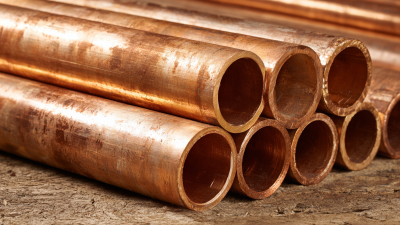
Copper pipes are essential in various industries due to their excellent thermal and electrical conductivity. They are commonly used in plumbing, refrigeration, and HVAC systems. According to market reports, the global copper pipe market is expected to grow by over 5% annually until 2026. This growth reflects the increasing demand for efficient and long-lasting solutions in residential and industrial applications.
Different types of copper pipes are available: Type K, L, and M.
Type K pipes have the thickest walls and are used for underground water supply. Type L pipes are versatile, suitable for both residential and commercial plumbing. Type M pipes are thinner and often used for interior plumbing and heating systems. Understanding these types helps buyers make informed decisions.
Tips: When selecting copper pipes, consider factors like wall thickness and application. Proper installation is crucial to prevent leaks and ensure longevity. Regular maintenance can prolong the lifespan of the pipes, keeping costs down in the long run.
Buyers should also be aware that not all copper pipes are created equal. Some manufacturers may cut corners on quality. Checking certifications and compliance with industry standards is essential. This diligence can prevent issues later on, ensuring that your investment remains worthwhile.
Key Factors Influencing the Quality of Copper Pipes in 2026
As the demand for copper pipes continues to rise globally, buyers need to understand key factors that influence their quality. The International Copper Association reports that global consumption of copper is expected to reach over 26 million metric tons by 2026. This projection highlights the significant growth in various applications, including plumbing and HVAC systems, where copper pipes are essential.
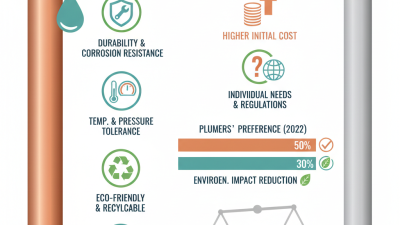
The purity of copper is a vital quality determinant. High-purity copper is crucial for conductivity and durability. Pipes made from 99.9% pure copper resist corrosion and provide better thermal performance. It’s important for buyers to verify the purity and ensure it meets industry standards. Additionally, manufacturing processes play a critical role in pipe quality. Some methods, like extrusion, can affect the internal structure and overall performance of pipes. Attention to these details can prevent future issues like leaks or reduced efficiency.
Buyers should also consider market fluctuations that impact pricing and quality. Increasing raw material costs may affect the processing capabilities of manufacturers, leading to lower-grade products entering the market. It's vital to keep informed through industry reports and studies to avoid potential pitfalls. Adopting a critical approach while sourcing copper pipes can lead to improved results and long-term satisfaction.
2026 Copper Pipe Quality Factors
Global Suppliers: Where to Source Top-Quality Copper Pipes
When sourcing top-quality copper pipes globally, buyers must navigate a complex landscape.
The global copper pipe market is projected to reach USD 9.22 billion by 2026, according to industry reports.
This growth highlights the increasing demand for reliable piping in construction and plumbing sectors.
It's crucial for buyers to seek suppliers who focus on quality and sustainability.
Regions known for copper production, like South America, offer a variety of sourcing options.
Countries such as Chile and Peru dominate in copper output, producing over 40% of the world’s supply.
However, the sourcing process can be challenging.
Variability in pipe specifications and standards may lead to complications during import.
Engaging with experienced suppliers can ease these concerns, ensuring compliance with international quality standards.
Identifying reliable suppliers is key in this competitive market.
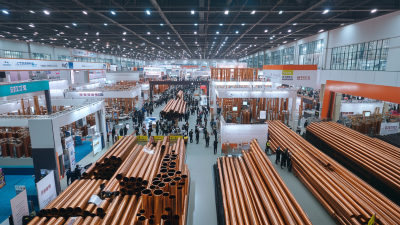
Some rely on industry networks for recommendations, while others consider trade expos a valuable resource.
Still, buyers must conduct due diligence. Checking certifications and previous client testimonials can provide insight into a supplier’s reliability.
The stakes are high; sourcing inferior pipes can lead to leaks and costly repairs.
Future Innovations in Copper Pipe Manufacturing and Technology
In the evolving landscape of copper pipe manufacturing, new technologies are driving significant improvements. Advances in production processes are enabling manufacturers to enhance efficiency and reduce waste. Reports indicate that by 2026, nearly 30% of copper pipe production will integrate automated technologies. This shift aims to increase production speeds while maintaining quality.
Moreover, innovations in alloy composition are being researched. Enhanced durability and corrosion resistance in copper pipes can lead to longer service life. A recent industry study noted that hybrid alloys could improve performance metrics by up to 15%. Such advancements are critical as markets demand sustainability alongside quality.
However, challenges persist. Balancing cost and innovation is tricky. Companies must invest in R&D while managing budgets. As the market evolves, staying informed will be essential for global buyers. Understanding these trends in copper pipe technology can facilitate smarter purchasing decisions.
2026 Top Copper Pipes for Global Buyers What to Know?
| Pipe Diameter (mm) |
Pipe Thickness (mm) |
Copper Grade |
Manufacturing Process |
Market Applications |
Future Trends |
| 15 |
1.0 |
C12200 |
Extrusion |
Plumbing |
Sustainability Innovations |
| 22 |
1.5 |
C11000 |
Casting |
HVAC Systems |
Smart Pipe Technology |
| 28 |
2.0 |
C12200 |
Welding |
Renewable Energy |
Recycling Technologies |
| 35 |
2.5 |
C11000 |
Hot Rolling |
Automotive |
Nanotechnology Integration |