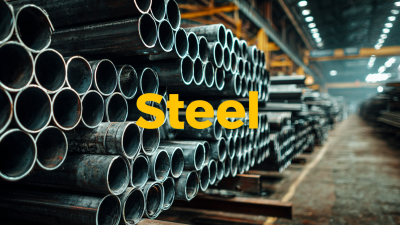
Top 10 Steel Pipe Types for Global Buyers to Consider?
When navigating the steel market, understanding the types of steel pipes is crucial. Steel pipes are versatile products used in various industries, from construction to oil and gas. Each type has its specific applications and advantages, which can be daunting for buyers.
Recognizing the right steel pipe type can lead to significant project success. Factors such as durability, cost, and resistance to corrosion should guide your choices. For instance, carbon steel pipes are favored for their strength, while stainless steel pipes offer excellent corrosion resistance.
However, buyers often overlook the importance of sourcing high-quality steel pipes, which can impact project outcomes. It’s essential to consider your supplier's reputation. Quality control measures in the manufacturing process cannot be underestimated. Making informed decisions will require careful research and consideration of the unique properties of each steel pipe type.
Understanding the Importance of Steel Pipes in Global Industries
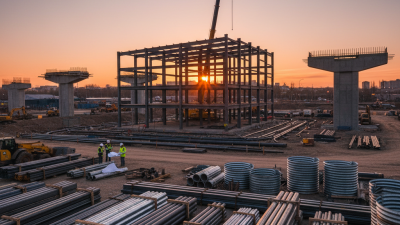
Steel pipes play a crucial role in various global industries. Their applications span oil and gas, construction, and manufacturing. In these sectors, steel pipes provide strength and durability. They withstand extreme conditions and pressure. This reliability is essential for safe operations and the longevity of projects. Many industries rely on specific types of steel pipes to meet unique requirements.
The importance of steel pipes can also be seen in infrastructure projects. They support water distribution systems and sewage management. The ability to transport fluids efficiently and securely is vital. Quality steel pipes minimize leaks and potential hazards. However, the widespread use of steel pipes poses challenges. The industry must address environmental impacts, including emissions from production. The need for sustainable practices is growing among buyers. Finding alternatives or recycled materials in steel production could reshape future usage.
Top 10 Steel Pipe Types for Global Buyers to Consider
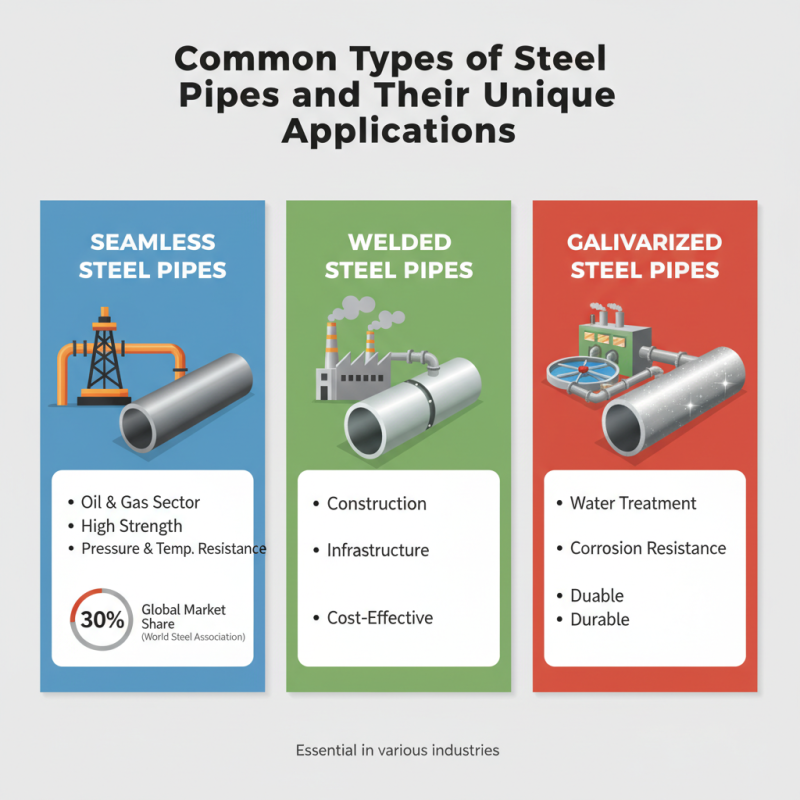
Common Types of Steel Pipes and Their Unique Applications
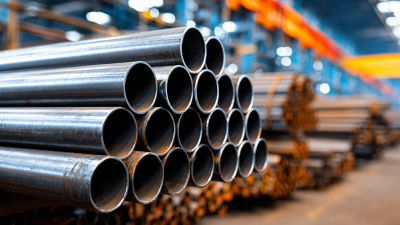
Steel pipes are essential in various industries. Each type has unique characteristics, making them suitable for different applications. For instance, seamless steel pipes are highly favored in the oil and gas sector due to their strength and resistance to pressure. According to the World Steel Association, seamless pipes account for approximately 30% of the global steel pipe market. Their ability to handle extreme temperatures and pressures makes them invaluable.
Welded steel pipes, on the other hand, are cost-effective and widely used in structural applications. The American Institute of Steel Construction notes that welded pipes are often used in construction and piping systems due to their ease of fabrication. Their versatility allows them to be utilized in plumbing, heating, and even fire protection systems. However, users must ensure proper welding techniques to avoid issues like weak joints.
When selecting steel pipes, consider the material grade and wall thickness, as these factors influence durability. Always consult with industry experts to make informed choices. In some instances, lower-quality options may seem appealing, but they often result in higher maintenance costs and safety risks.
Key Properties of Different Steel Pipe Materials
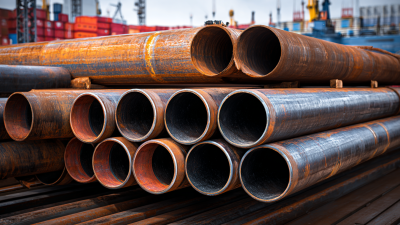
When selecting steel pipes, understanding their properties is crucial for informed decisions. Different materials exhibit unique characteristics that suit various applications. For instance, carbon steel pipes are robust and cost-effective, making them popular in construction and infrastructure. Their tensile strength is impressive, but they can corrode if not treated properly.
Stainless steel pipes are another option. They offer excellent corrosion resistance due to their chromium content. This property makes them ideal for chemical and food processing industries. However, they tend to be more expensive than carbon steel. Buyers must weigh the benefits against the costs.
In addition, PVC pipes are lightweight and resistant to many chemicals. They are commonly used in residential plumbing. However, they cannot withstand high temperatures as effectively as metal pipes. Each material has its pros and cons. It’s essential to match the pipe type with the intended use. This choice impacts longevity and performance. Consider these factors to avoid costly mistakes.
Factors to Consider When Sourcing Steel Pipes Internationally
When sourcing steel pipes internationally, buyers must consider various factors to ensure they make informed decisions. One critical aspect is the material specifications. Different industries require specific grades of steel. For instance, API 5L and ASTM A106 are prevalent in the oil and gas sector. According to a report by the World Steel Association, approximately 1.8 billion tonnes of steel pipe are produced globally each year. Understanding these specifications helps align the product with industry standards.
Another vital consideration is the manufacturing process. Steel pipes can be seamless or welded, with each type serving distinct applications. Seamless pipes are preferred for higher pressure systems, while welded pipes are often more cost-effective for lower pressure needs. A study by Grand View Research indicates that the global market for steel pipes is projected to grow at a CAGR of 5.2% from 2021 to 2028. Buyers must assess whether the manufacturing processes meet their project requirements.
Lastly, logistical aspects cannot be ignored. Shipping costs, tariffs, and lead times vary significantly between regions. Some suppliers may offer competitive pricing but lead to higher overall costs due to transportation delays. A misstep here can impact project timelines. Ensuring reliable shipping conditions and clear communication with suppliers is essential to avoid complications. Combining these elements helps buyers make strategic decisions in sourcing steel pipes effectively.