7 Tips for Buying Metal Sheets
A sheet can look flawless under warehouse lights and still fail the job. The wrong alloy, thickness, or finish may cause costly rework once cutting begins. Choosing Metal Sheets is therefore less about finding the lowest price and more about matching material properties to real operating conditions.
The scale of the market makes careful sourcing important. World Steel Association’s World Steel in Figures 2025 reports global crude steel production of about 1.88 billion tonnes in 2024. The USGS Mineral Commodity Summaries 2025 estimates global primary aluminum production at roughly 72 million tonnes that year. These figures describe broad markets, not product quality. Still, they underline why buyers should verify grade, tolerances, coating, and documentation rather than rely on a supplier’s shorthand. Worldsteel Director General Edwin Basson has described steel as “the backbone of modern society.” The phrase is memorable; it is not a purchasing specification.
This guide introduces seven practical checks, from defining the sheet’s purpose to comparing quotes and inspecting delivery. Think about the actual part: a damp exterior panel, a food-processing surface, or a bracket exposed to repeated vibration. Each calls for different choices. Ask for mill test reports, confirm measurement units, and clarify whether quoted thickness includes coating. Small details matter. A supplier’s catalog may not answer every question, and buyers can overlook this. Treat the checklist as a starting point, then confirm critical requirements with a qualified materials or engineering professional.
Identify the Project Requirements for Your Metal Sheets
Before comparing prices, define what the sheet must do in your project. Record its finished length, width, thickness, and any cutouts or bends. Note the load it will carry, how it will be joined, and whether it will face moisture, heat, or chemicals. World Steel Association’s World Steel in Figures 2024 attributes about 52% of global steel use to building and infrastructure. That scale highlights how varied sheet-metal applications can be; it does not mean one grade suits every job. Small details matter.
Specify the alloy or grade, temper, surface finish, and acceptable thickness variation. For a formed panel, check bend radius and ductility; for an exposed part, consider corrosion resistance and coating needs. Ask the supplier for a material certificate and confirm that its listed properties match your design requirements. If the part is critical, verify dimensions on a sample before ordering a full batch. Even a careful specification can miss a shop-floor constraint. An offcut can reveal burrs, coating damage, or unexpected springback before those issues multiply. I would double-check the drawing against the actual forming process; that step is easy to overlook.
Choose the Right Metal Type and Alloy
Choosing a metal sheet starts with its working environment, not its appearance. For indoor brackets, mild steel can be economical and easy to fabricate, but it needs protection where moisture is present. Stainless steel resists corrosion better, though grades differ. Grade 304 suits many general applications; grade 316 offers better resistance to salt and chlorides, but it is not immune to corrosion. Small details matter.
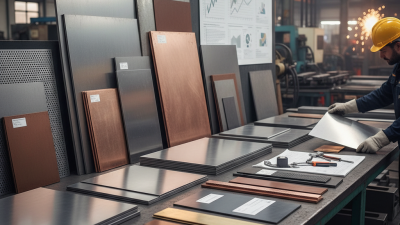
Aluminum is lightweight and naturally forms a protective oxide layer. Alloy 5052 is often chosen for formed parts, while 6061 is stronger and commonly used for machined components. Copper conducts heat and electricity well, and its surface develops a distinct patina over time. These are useful starting points, not automatic answers. The temper, thickness, and surface finish can change how a sheet bends, welds, or performs.
Before ordering, note the actual demands: outdoor exposure, contact with chemicals, forming radius, and expected loads. Compare technical data for the exact alloy and temper, and ask for material documentation when traceability matters. I would not choose from a strength figure alone; fabrication can expose weaknesses that a tidy spec sheet misses. And sometimes the “best” alloy is simply harder to source consistently. Check availability before finalizing the design.
Compare Surface Finishes and Material Quality
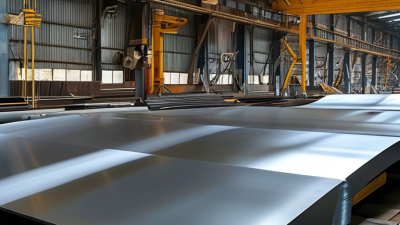
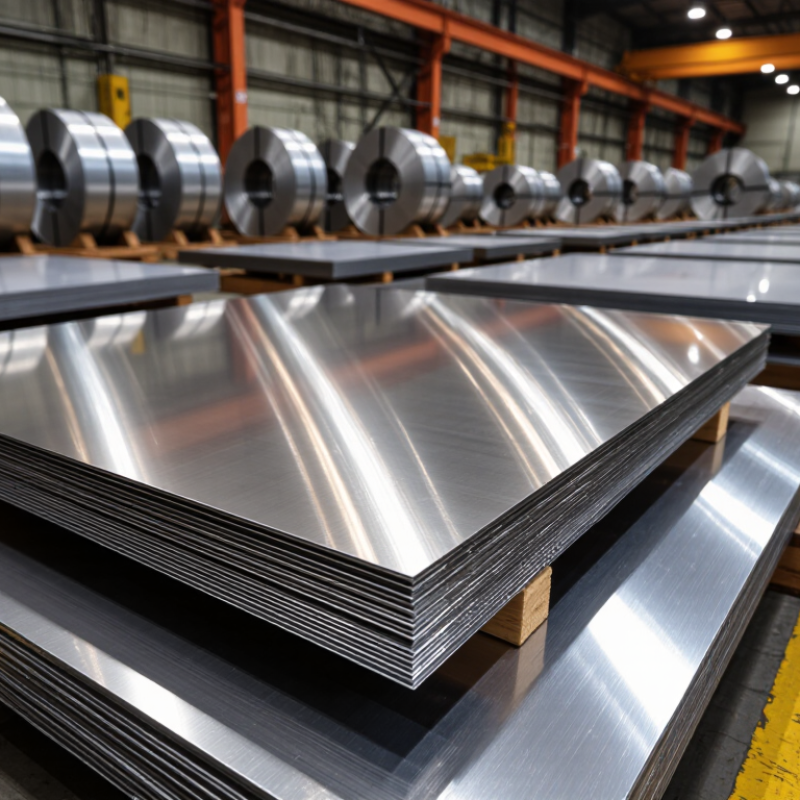
Surface finish affects cleaning, handling, and how quickly scratches show. A brushed finish can disguise small marks better than mirror polish, but its grain may hold dirt. Check the grain direction. Inspect sheets under angled light, then wipe them with a clean cloth. This can reveal oil, pits, waviness, and edge burrs. A tiny swatch can mislead, so request a larger sample when appearance matters. Ask for the alloy grade, thickness tolerance, and mill test certificate, then match them to the intended environment. ASTM A480/A480M defines stainless sheet finish designations and dimensional requirements, helping buyers compare equivalent products.
Material quality matters as much as the finish. NACE International’s 2016 IMPACT study estimated corrosion costs at US$2.5 trillion annually, or about 3.4% of global GDP. It also reported potential savings of 15–35% through improved corrosion management. These figures are broad, but they underline why exposure conditions deserve attention. A smooth surface cannot make an unsuitable alloy perform well in salty air or around standing water. Compare samples after cleaning, and note what still bothers you. Then verify the material documentation before ordering.
Evaluate Suppliers, Pricing, and Delivery Terms
Tip 1: Check the supplier’s technical details before comparing prices. Ask for the metal grade, sheet dimensions, thickness tolerance, and finish in writing. For critical applications, request material test certificates and confirm that the documents match the quoted stock. A polished product photo proves little. A clear specification prevents costly surprises.
Tip 2: Compare complete quotes, not just the price per sheet. Check minimum order quantities, cutting fees, packaging, taxes, and freight. Ask whether prices can change before dispatch, especially when stock is limited. A low quote may exclude useful services. Put the details side by side; small differences add up.
Tip 3: Confirm delivery terms and realistic timing. Ask where the shipment leaves from, how it will be protected from moisture or scratches, and who handles unloading. Get a dispatch window and tracking details, then leave room for delays. A tidy schedule can still slip. One overlooked point: check that your site can receive the sheet size and weight.
7 Tips for Buying Metal Sheets: Evaluate Suppliers, Pricing, and Delivery Terms
Suggested weights for comparing metal sheet suppliers
Use these suggested weights as a starting point when comparing quotes. Prioritize material and specification compliance, then consider total cost and delivery reliability. Adjust the weights to match your project; they are an illustrative framework, not survey results.