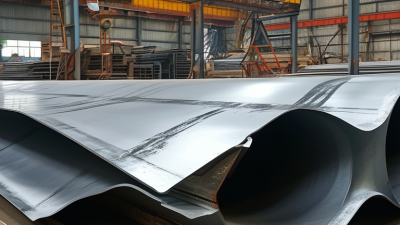
Why Choose Metal Sheets for Your Next Project?
When considering materials for your next project, Metal Sheets stand out for their versatility and reliability. They are widely used in construction, automotive, and manufacturing industries. Their strength and lightweight properties make them an excellent choice for various applications. For instance, Metal Sheets can be cut, shaped, and manipulated easily, allowing for creative designs.
However, choosing Metal Sheets also requires careful thought. There are different types of metal alloys available, each with unique properties. Selecting the wrong type might lead to issues in durability or appearance. It’s important to weigh factors like corrosion resistance and thermal conductivity when making your decision. Additionally, working with Metal Sheets may involve some challenges, such as the requirement for specialized tools.
In the end, Metal Sheets can enhance your project significantly if chosen correctly. They offer a balance of performance and aesthetics. Reflecting on your specific needs will guide you towards the right path.
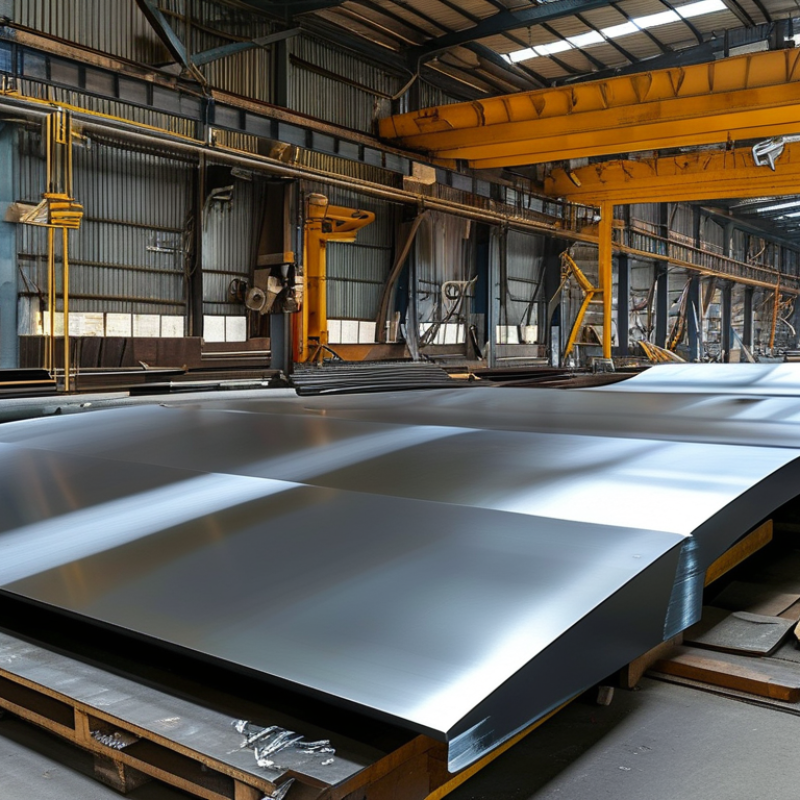
Benefits of Using Metal Sheets in Construction Projects
Metal sheets are becoming increasingly popular in construction projects due to their numerous advantages. A report from the Metal Construction Association states that metal roofs can last 40-70 years, significantly longer than traditional materials. Additionally, metal sheets are highly durable, resistant to fire, and provide excellent insulation. These properties contribute to lower energy costs and reduced long-term maintenance.
Using metal sheets can also promote sustainability in construction. According to a study by the American Iron and Steel Institute, metal is one of the most recycled materials in the world, making it an environmentally friendly option. When choosing metal sheets, consider their weight; lighter sheets can reduce structural loads and save on material costs.
Projects that incorporate metal sheets often experience quicker installation times. Their modular design allows for easy transport and assembly on site. Metal sheets can be customized easily, providing versatility in design. It's essential to ensure proper handling to avoid dents during transport.
Regular maintenance is necessary but typically requires less effort compared to other materials. Conducting checks on areas where water can accumulate helps prevent corrosion. Don’t overlook the importance of professional installation to maximize the benefits of metal sheets.
Durability and Strength: Why Metal Sheets Stand Out
Metal sheets are increasingly popular in various projects due to their remarkable durability and strength. When considering materials, it’s common to overlook metal. Yet, metal sheets offer exceptional resistance to wear and tear. Unlike wood or plastic, metal doesn't easily warp, crack, or fade. This resilience makes it ideal for construction, automotive, and artistic applications alike.
The strength of metal sheets is evident in their load-bearing capabilities. A well-engineered metal sheet can support significant weight without bending or breaking. This feature is crucial for structures, where safety is paramount. In design projects, metal sheets can be manipulated into stunning shapes, offering both function and aesthetics. However, achieving the right balance between form and function can be challenging. It may require professionals to maximize the material's potential.
While metal sheets provide many advantages, selecting the right thickness and type can be confusing. Each project might need a different specification. Experimenting with various options can lead to unexpected results, both good and bad. Exploring nuances in the material may yield unique creative solutions. Embracing this learning curve can enhance project outcomes and lead to innovative uses of metal sheets.
Versatility in Design: Applications of Metal Sheets
Metal sheets are becoming a popular choice in various projects due to their versatility. They can be shaped into countless designs, allowing for creative expression. From architectural facades to interior decor, metal sheets can transform ordinary spaces into extraordinary ones. Their sleek look appeals to modern aesthetics, making them ideal for both residential and commercial applications.
In manufacturing and construction, metal sheets serve numerous purposes. Kitchens benefit from stainless steel sheets that are easy to clean. In outdoor settings, aluminum sheets resist corrosion and weather damage, making them long-lasting. Metal sheets can also be cut and formed into specific shapes for machinery parts or custom projects. Designers appreciate the way metal interacts with light and shadows, adding depth to structures.
However, working with metal sheets does require expertise and careful planning. Cutting and shaping metal can produce waste, leading to potential inefficiencies. Ensuring precision in measurements is crucial to avoid costly mistakes. While the aesthetic appeal is undeniable, one must also consider the practicality of installation and maintenance. Balancing creativity with functionality is essential in designing with metal sheets.
Why Choose Metal Sheets for Your Next Project? - Versatility in Design: Applications of Metal Sheets
| Application |
Material Type |
Thickness (mm) |
Common Uses |
| Automotive |
Aluminum |
1.5 |
Car bodies, chassis parts |
| Construction |
Steel |
2.0 |
Beams, roofing, wall panels |
| Electronics |
Copper |
0.8 |
Circuit boards, connectors |
| Consumer Goods |
Stainless Steel |
1.0 |
Appliances, cookware |
| Decorative |
Aluminum |
0.5 |
Signs, sculptures, cladding |
Cost-Effectiveness of Metal Sheets Compared to Other Materials
When considering materials for construction and manufacturing projects, metal sheets often stand out for their cost-effectiveness. According to a 2022 report by the Metal Construction Association, metal sheets can reduce initial material costs by up to 20% compared to alternatives like wood or composites. This significant saving draws many architects and builders to metal.
The durability of metal sheets adds to their overall value. This material resists corrosion, weathering, and impacts, which lengthens lifecycle and lowers maintenance costs. The National Association of Home Builders notes that metal’s longevity can translate into savings over time—up to 50% less in repairs compared to wood.
However, it's essential to acknowledge the challenges associated with metal sheets. Installation can require specialized labor, which may increase upfront costs. Additionally, the thermal conductivity of metal may necessitate additional insulation in certain climates. This could offset some cost benefits in specific scenarios. Understanding both the benefits and drawbacks can lead to informed decisions for any project.
Cost-Effectiveness of Metal Sheets Compared to Other Materials
Environmental Impact and Sustainability of Metal Sheets
Metal sheets offer significant advantages in terms of sustainability and environmental impact. According to the World Steel Association, steel is one of the most recycled materials globally. Over 85% of steel is recycled after its initial use. This recycling process uses only a fraction of the energy needed to create new steel, which results in lower carbon emissions.
Moreover, metal sheets are durable and long-lasting. A report from the Environmental Protection Agency indicates that steel buildings last longer than many alternatives. This longevity reduces the need for frequent replacements, which can strain resources. However, it's essential to consider the energy involved in the initial manufacturing process. Though metal sheets are highly recyclable, their production still involves significant energy consumption and CO2 emissions.
While metals like aluminum are lightweight and energy-efficient, their extraction process can be environmentally damaging. Bauxite mining often leads to deforestation and habitat loss. The choice of metal sheets requires careful consideration of their life cycle impact. Some manufacturers use recycled materials or adopt greener production methods, which can mitigate environmental concerns. Still, the challenge remains to balance industry needs and sustainability goals effectively.