Best Cold Rolled Coils Suppliers for Global Buyers?
In today's competitive market, sourcing high-quality Cold Rolled Coils can be a daunting task for global buyers. These products are crucial in various industries, from automotive to construction. As businesses evaluate suppliers, it becomes vital to understand the qualities that define a reputable provider.
Cold Rolled Coils are known for their excellent surface finish and tight tolerances. Buyers should research suppliers that have a proven track record in quality and reliability. This involves not only evaluating their product offerings but also their customer service and responsiveness. Many suppliers showcase their expertise through certifications and awards.
However, not every supplier lives up to expectations. Buyers may encounter inconsistencies in quality or delays in delivery. Careful consideration and due diligence can prevent these issues. Engaging with experienced suppliers who understand the market demands can lead to more reliable partnerships. It’s essential to weigh all these factors before making a decision.
Overview of Cold Rolled Coils and Their Applications
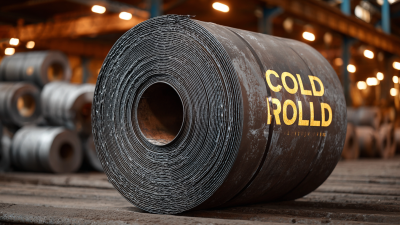
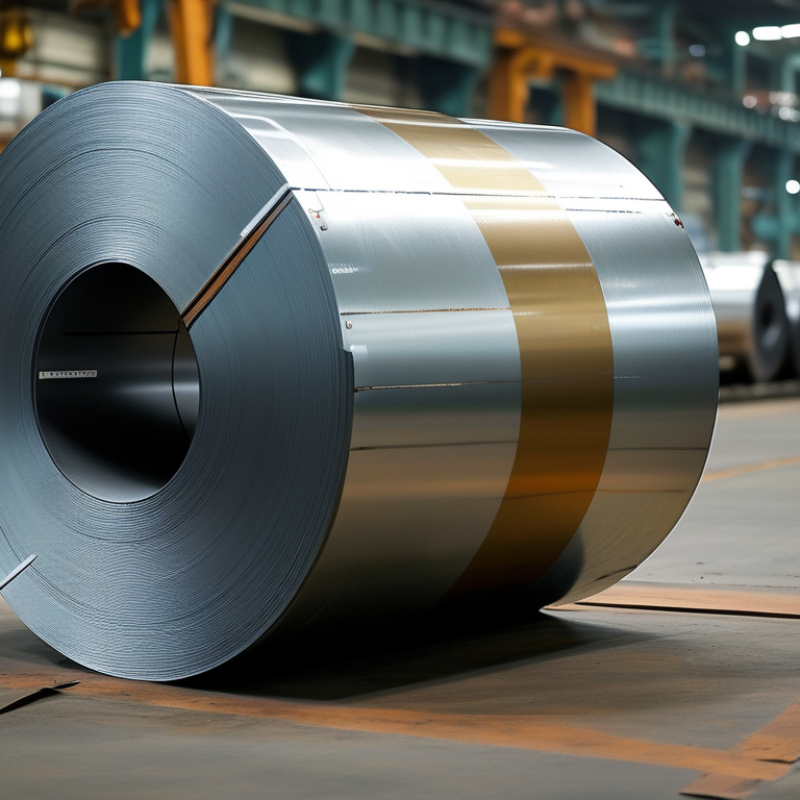
Cold rolled coils are essential in various industries, including automotive, construction, and consumer goods. These coils are produced through the cold rolling process, which enhances their strength, surface finish, and dimensional tolerance. According to a recent industry report, the cold rolled steel market is projected to reach approximately $180 billion by 2030, indicating robust demand.
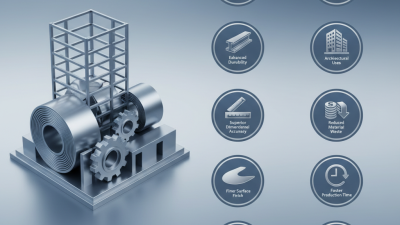
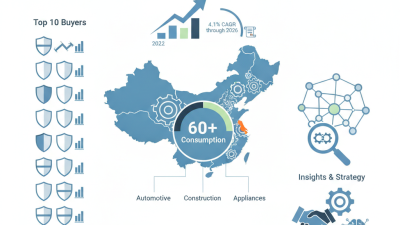
Applications of cold rolled coils vary widely. In the automotive sector, they are used for body panels and components. This is due to their formability and high strength. Construction relies on these coils for structural support. Precision is crucial; thus, manufacturers select cold rolled steel for its uniform thickness and smooth surface. Reports suggest that the Asia-Pacific region accounts for over 40% of global consumption, driven by rapid industrial growth.
Despite their advantages, there are challenges. The production process can be energy-intensive and costly. Fluctuating raw material prices also pose risks. Many businesses must reassess their sourcing strategies to mitigate these uncertainties. Industry experts urge suppliers to invest in sustainable practices to remain competitive in a changing market landscape.
Criteria for Choosing Cold Rolled Coils Suppliers
Choosing the right cold rolled coils supplier is crucial for global buyers. Reliability and experience are key factors. A supplier with a proven track record shows stability and trustworthiness. Look for companies that have been in the industry for several years. Their experience often translates to better quality and service.
Quality assurance is essential. Review the supplier’s certifications and quality control processes. Check if they meet international standards. This ensures that the coils will perform well in your applications. Pay attention to customer reviews and feedback. These opinions provide insight into their reliability and support.
Price is another significant factor but should not be the only consideration. Low prices can sometimes indicate inferior quality. Balance cost with the quality of the product and services offered. It's wise to ask about lead times and delivery capabilities. Delays can affect your operations. Reflecting on these criteria will help you make an informed decision. Each buyer's needs are unique, so consider what matters most for your business.
Top Global Suppliers of Cold Rolled Coils
When it comes to sourcing cold rolled coils, global buyers need to identify reputable suppliers. These suppliers play a critical role in ensuring quality materials for various applications. Top suppliers typically offer a range of specifications, catering to diverse industry requirements. Buyers should seek suppliers that emphasize transparency in their manufacturing processes and provide relevant certifications.
Furthermore, the ability to deliver on time is essential. Many suppliers face challenges with logistics and supply chain issues. Buyers should look for suppliers with a solid track record in on-time delivery. It is also important to consider customer service when choosing a supplier. Effective communication can alleviate many potential issues before they escalate.
Buyers often struggle to find the right balance between cost and quality. Some may opt for lower-priced options only to face quality issues later. This reflection on the consequences of such decisions is essential for informed purchasing. Prioritizing reliable suppliers will ultimately enhance production quality and customer satisfaction in the long run.
Global Cold Rolled Coils Suppliers Analysis
Comparative Analysis of Supplier Quality and Pricing
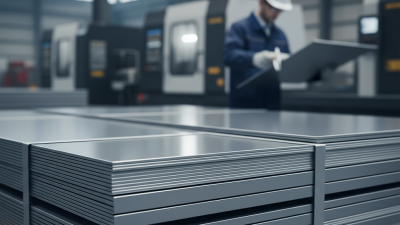
When exploring cold rolled coils, supplier quality and pricing are crucial factors for global buyers. Different suppliers offer varying manufacturing processes, which impacts the final product. Buyers should consider the steel grade, thickness, and surface finish before making decisions. A thorough evaluation can ensure better quality and durability.
Tips: Always request samples before finalizing any order. This helps in assessing the quality firsthand. Consider visiting suppliers' facilities if possible. Personal inspections can reveal potential discrepancies in quality.
Pricing can fluctuate greatly based on the supplier's location and production scale. Bulk orders often come with discounts. However, lower prices might compromise quality. It’s essential to weigh cost against performance. Remember, cheaper is not always better.
Tips: Conduct market research to understand prevailing prices. It can aid in negotiating better deals. Always factor in shipping costs when calculating the overall expense.
Best Cold Rolled Coils Suppliers for Global Buyers - Comparative Analysis of Supplier Quality and Pricing
| Supplier Location |
Quality Rating (1-10) |
Price per Ton (USD) |
Lead Time (Weeks) |
Customer Support Score (1-10) |
| North America |
9 |
800 |
3 |
8 |
| Europe |
8 |
750 |
4 |
9 |
| Asia |
7 |
600 |
5 |
7 |
| South America |
6 |
700 |
6 |
6 |
| Africa |
5 |
800 |
7 |
5 |