China Top Carbon Steel Plate Manufacturers and Suppliers?
China has become a major sourcing hub for Carbon Steel Plate, serving construction, shipbuilding, energy, machinery, and infrastructure projects worldwide. Its manufacturers range from large integrated steel groups to specialized plate suppliers with flexible production lines. Yet size alone does not prove reliability.
Edwin Basson, Director General of the World Steel Association, has said, “Steel is everywhere in our lives.” This simple observation explains why supplier selection deserves careful attention. Experienced buyers examine plate grades, thickness tolerance, heat-treatment options, impact performance, and delivery capacity. They also request mill test certificates, inspection records, and traceability details before approving an order. Small details matter.
A dependable Chinese supplier should understand standards such as ASTM, EN, JIS, and GB. It should also explain where its production experience fits the project. Site audits, third-party inspections, and sample testing can reveal more than a polished website. Some suppliers communicate well but provide weak documentation. Others offer excellent prices but limited technical support. That difference is easy to miss.
This guide compares leading China Top Carbon Steel Plate Manufacturers and Suppliers through practical criteria, including product quality, manufacturing capability, certifications, export experience, and customer service. The comparison is not perfect. Market conditions change, and supplier performance may vary by order. Readers should verify current certificates, production capacity, and contract terms before making a final decision. Reliability is built through evidence, not promises.
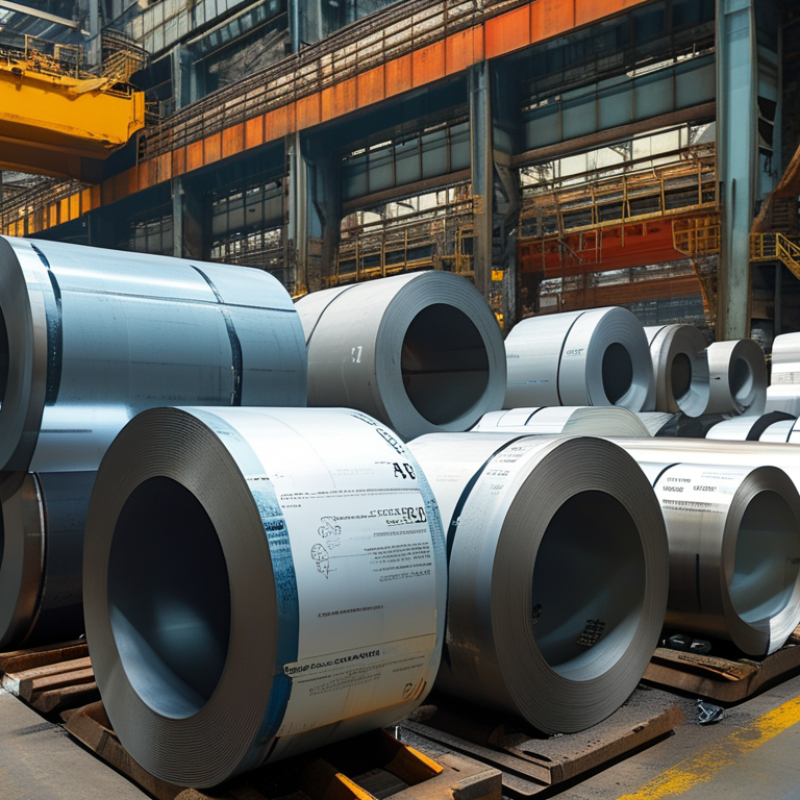
Types of Carbon Steel Plates Available in China
When buyers compare carbon steel plate manufacturers and suppliers in China, material type should come before price. Low-carbon plate contains less carbon, usually below about 0.25%, and offers good forming and welding performance. It suits brackets, frames, tanks, and general fabrication. Medium-carbon plate provides greater strength and hardness, but welding needs tighter heat control. High-carbon plate is harder still. It is less forgiving during cutting and forming.
Chinese mills commonly supply hot-rolled structural plates for bridges, machinery bases, storage tanks, and building components. Cold-finished surfaces are available for applications needing closer thickness control and cleaner appearance. Boiler and pressure-vessel plates require controlled chemistry, impact testing, and documented heat treatment. Shipbuilding plate needs suitable toughness, weldability, and traceable inspection records. Do not assume a thicker plate is automatically safer.
For wear-prone equipment, some suppliers offer carbon-manganese or other strengthened plate grades. These are not always simple carbon steel, so the specification deserves careful reading. I normally verify grade, thickness tolerance, impact temperature, ultrasonic testing, and mill certificates before approval. A small mismatch in carbon content can change weld behavior. That detail matters. Supplier descriptions can be broad, and standards may be interpreted differently. Ask for test reports matching the actual heat number, not a generic sample. Even then, surface rust, flatness, and edge condition should be checked on arrival. It is easy to assume visual inspection is enough; that assumption is weak.
China Top Carbon Steel Plate Manufacturers and Suppliers? – Types of Carbon Steel Plates Available in China
Carbon steel plates are commonly classified by carbon content. Low-carbon plates generally contain up to 0.30% carbon and offer good weldability and formability. Medium-carbon plates typically range from 0.30% to 0.60%, while high-carbon steel commonly exceeds 0.60% and provides greater hardness and strength. Classification limits may vary slightly by standard and supplier specification.
Key Standards for Evaluating Chinese Plate Manufacturers
Selecting Chinese carbon steel plate suppliers requires more than comparing prices or listed capacity. The World Steel Association reported China produced about 1.005 billion tonnes of crude steel in 2024, representing over half of global output. That scale is significant, but it does not prove consistent plate quality. Buyers should verify whether the supplier follows GB/T requirements and can also meet ASTM, ASME, or EN specifications. The purchase order should state grade, thickness tolerance, impact testing temperature, surface condition, and delivery condition.
Traceability matters. Each plate should connect to a heat number, production record, chemical analysis, and mechanical test report. Independent inspection is stronger when laboratories follow ISO/IEC 17025 principles. Ask for ultrasonic testing records when internal discontinuities could affect welding or pressure service. ISO 9001 certification supports process control, yet it is not a substitute for product testing. Numbers need context.
The OECD’s recent steel market assessments continue to highlight global overcapacity and weak demand risks. Therefore, unusually low quotations deserve careful review. Check mill certificates directly against test results, not only scanned documents. Confirm whether sampling follows the relevant standard and whether retesting rules are clearly defined. A supplier may pass one inspection and still show uneven thickness across a shipment. That practical risk is easy to underestimate. Factory audits, batch traceability, and documented corrective actions provide better evidence than polished brochures. My own evaluation would remain cautious when records look perfect but contain no measurable details.
How China’s Carbon Steel Plate Suppliers Manage Production Quality
China’s carbon steel plate suppliers manage production quality through controlled processes, recorded inspections, and practical shop-floor experience. Each heat begins with chemical analysis, checking carbon, manganese, sulfur, and phosphorus levels. Technicians compare results with the required grade before casting starts. Small deviations matter.
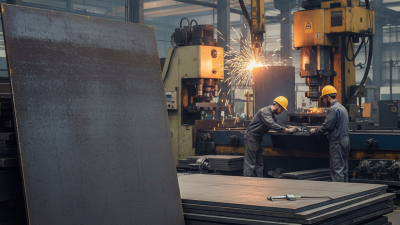
During rolling, operators monitor slab temperature, rolling pressure, and plate thickness. Digital gauges measure thickness across several points, while surface inspectors look for cracks, scale, laminations, and edge damage.
A plate may appear smooth but still contain internal flaws. Ultrasonic testing helps identify them.
After cooling, selected samples undergo tensile, yield-strength, elongation, and impact tests. Inspectors also review flatness and dimensional tolerances. Each plate receives a heat number linked to test reports, production records, and inspection dates. This traceability supports technical reviews and reduces confusion during shipment.
Reliable suppliers usually maintain calibrated equipment and trained quality teams. Some orders include independent inspection before dispatch. That adds useful evidence, not just paperwork. Yet quality control is not perfect. Human judgment can vary, instruments can drift, and rushed production may weaken inspection discipline. Experienced buyers should request clear standards, test frequency, acceptance limits, and corrective-action records. A supplier that explains a failed test honestly may be more dependable than one offering flawless claims.
Major Industries Served by Chinese Carbon Steel Plate Suppliers
Chinese carbon steel plate suppliers serve several demanding industries, each requiring different grades, thicknesses, and surface conditions. Construction companies use plates for bridges, columns, frames, and heavy foundations. Shipyards need consistent strength, weldability, and corrosion control for hull sections and marine structures. These applications leave little room for uneven thickness.
Manufacturing and machinery producers purchase carbon steel plates for excavators, pressure-resistant equipment, cutting machines, and industrial platforms. Energy projects may require plates for storage tanks, pipelines, boilers, and wind-turbine components. Transport manufacturers also use formed plates in railcars, trailers, and commercial vehicle frames. Experienced suppliers usually provide test certificates, chemical analysis, dimensional inspection, and heat-number traceability. However, paperwork alone is not proof of quality. Buyers should compare test results with the required standard and confirm actual plate dimensions after delivery. Small deviations can affect welding and assembly.
Tips:
Explain the final application before requesting a quotation. State thickness, width, length, grade, quantity, edge condition, and inspection needs. Ask for sample reports and production photos when practical. A supplier may promise fast delivery, yet cutting, coating, or export packing can change the schedule. I have seen specifications remain unclear until production begins. That creates avoidable revisions. Independent inspection is useful for large orders, especially when plates support public infrastructure or high-load equipment. Keep communication records. They help resolve misunderstandings.
How to Select a Reliable Carbon Steel Plate Manufacturer in China
Choosing a reliable carbon steel plate manufacturer in China requires more than comparing quotations. World Steel Association’s World Steel in Figures 2024 reports global crude steel production of about 1.888 billion tonnes in 2023. This scale creates many capable suppliers, but also makes verification essential.
Ask for recent mill test certificates, heat numbers, chemical analysis, tensile results, and dimensional records. Match every value with the required GB, ASTM, EN, or JIS specification. Check whether the certificate is issued under EN 10204 3.1 when project documentation demands it. A supplier should also explain plate thickness tolerance, ultrasonic testing, surface repair rules, and packing methods. Details matter.
Visit the production site if the order is important. Observe slab heating, rolling, cooling, marking, and warehouse control. Confirm that the displayed equipment is actually used for your plate grade. An attractive factory tour proves little. Request traceability from one plate back to its heat and inspection file. Independent pre-shipment inspection can verify thickness, quantity, markings, and visible defects.
Review ISO 9001 certification, but do not treat it as a guarantee of product quality. The certificate supports process control; it does not replace testing. Check delivery records, complaint handling, and corrective-action reports. Ask difficult questions about late shipments and rejected plates. The answer may reveal more than a sales presentation. No checklist is perfect. I would also begin with a small trial order before committing to a large volume.