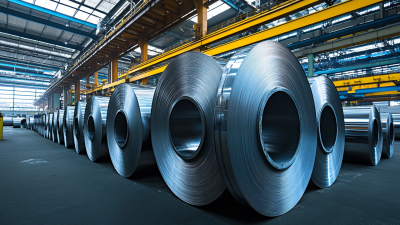
China Top Galvanized Coil Manufacturers and Suppliers
China’s galvanized steel sector serves construction, appliances, automotive components, and infrastructure projects. Choosing a supplier takes more than comparing price lists. Buyers should examine coating weight, thickness tolerance, surface finish, steel grade, and production consistency. A coil may look bright under warehouse lights, yet still require careful inspection of its edges, packaging, and test records.
A dependable Galvanized Coil manufacturer can explain how its coating process fits your application and provide traceable quality documentation. Ask about base-metal specifications, delivery schedules, export packing, and how claims are handled. Details matter. A small variation in coating or flatness can affect forming, painting, and installation. Supplier capacity matters too, but large output alone does not prove reliable performance.
This guide profiles China’s leading galvanized coil manufacturers and suppliers, with attention to product range, quality controls, and buyer considerations. One point needs care: no verifiable expert quotation or source was provided for this article, so attributing a statement to a named specialist would risk inventing a quote. Instead, the comparison focuses on checkable information and practical questions buyers can raise directly with suppliers. Use it as a starting point, not a substitute for reviewing current certificates, samples, and contract terms. Some supplier details may change, and that deserves a second look.
Understanding Galvanized Coil and Its Key Properties
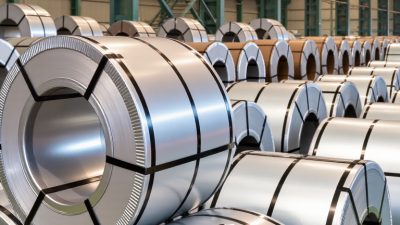
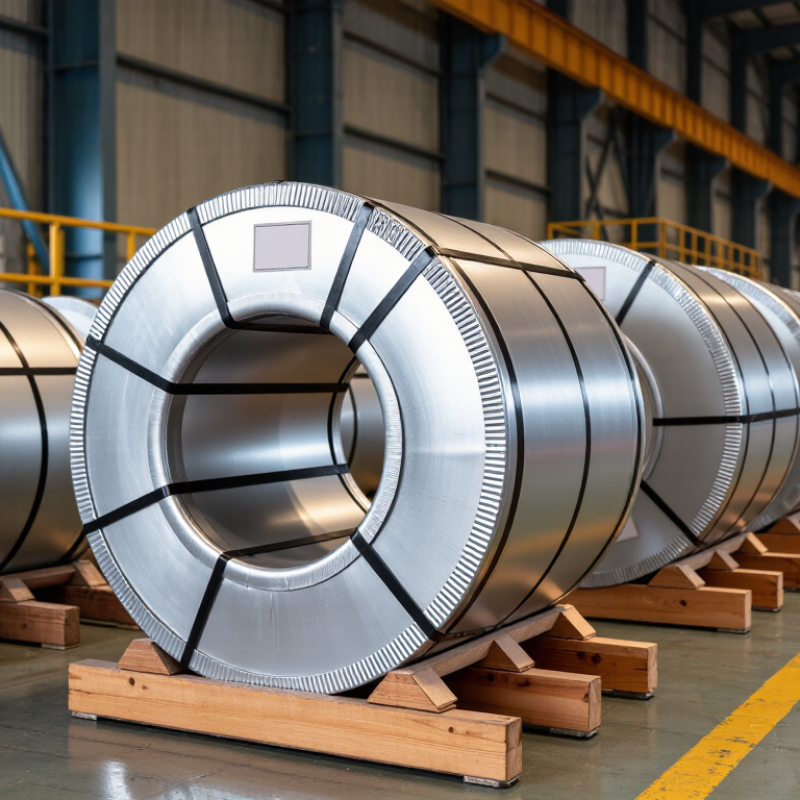
Galvanized coil is steel sheet coated with zinc, commonly through a continuous hot-dip process. The zinc layer slows rust by shielding the steel and providing sacrificial protection where small scratches expose the base metal. It is not magic. Deep cuts and damaged areas can still corrode, especially in wet or salty environments.
Key properties include coating mass, steel thickness, surface finish, and formability. Coating mass indicates how much zinc covers the sheet, but a heavier coating is not automatically better for every job. For instance, a light-gauge panel may need to bend tightly without cracking, while an outdoor component may need stronger corrosion resistance. Check the intended forming method and exposure conditions before choosing a specification. Small details matter.
A practical inspection looks for even coverage, consistent dimensions, and surface defects such as bare spots or rough deposits. Coil appearance can vary slightly, and that does not always indicate a performance problem. Still, visible flaws deserve attention when the surface will remain exposed. Galvanized steel also needs suitable handling and storage; trapped moisture between stacked sheets can leave stains. One point is easy to overlook: zinc protects the steel, but it does not remove the need for design checks, proper drainage, or routine inspection.
How Galvanized Coils Are Manufactured in China
At a Chinese galvanizing plant, production typically begins with steel strip selected for a required grade and thickness. The strip is unwound, joined, and guided through cleaning tanks to remove oil and surface residue. It then enters a continuous annealing furnace, where controlled heat prepares the steel for coating. Temperature, strip speed, and furnace atmosphere all affect the finished surface.
The cleaned strip passes through molten zinc, commonly kept near 450°C. Air knives blow away excess zinc and help control coating thickness. Small changes matter. Operators monitor line speed and coating measurements, while samples can be checked for adhesion, thickness, and surface defects. Actual equipment and process settings vary among mills, so buyers should confirm the relevant specifications rather than assume every production line is identical.
After cooling, the coil may receive a surface treatment or a light oil coating, depending on its intended use. Inspection teams look for issues such as uneven coating, scratches, and edge marks before the strip is recoiled and labeled. Not every imperfection is obvious at a glance. Clear inspection records and agreed sampling methods help connect the delivered coil to its stated requirements.
How to Evaluate Galvanized Coil Suppliers in China
When evaluating galvanized coil suppliers in China, check the product before comparing prices.
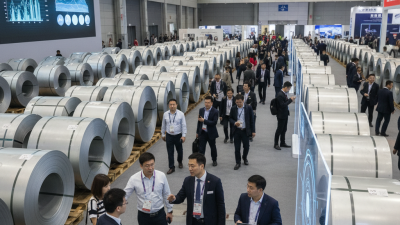
World Steel Association’s World Steel in Figures 2024 reports that China produced
1,019.1 million tonnes of crude steel in 2023, out of
1,888.2 million tonnes worldwide. This shows the scale of the industry, not the quality of any individual coil.
Scale is not proof.
Ask for the steel grade, base-metal thickness tolerance, zinc coating mass in g/m², and test records for the specific production lot. Confirm that quoted requirements match the applicable specification, such as
EN 10346 or ASTM A653/A653M.
Request a mill test certificate linked to the coil number, plus recent inspection results for coating uniformity, adhesion, and mechanical properties. Compare samples from the actual line, not only a polished brochure sample. Small details matter: edge condition, coil weight, inner diameter, and moisture-resistant packaging can affect handling and processing. Check whether the supplier can share production capacity and realistic lead times in writing. Salt-spray results may help compare samples, but they do not predict every service environment.
I would not rely on a low price alone; yet paperwork can look convincing while a sample reveals uneven coating.
Ask a qualified inspector to verify critical orders before shipment.
Common Applications and Procurement Considerations for Galvanized Coils
Galvanized coils serve construction, vehicle components, appliances, agricultural buildings, and ventilation ducts. World Steel Association data places construction and infrastructure at about 52% of global steel use in 2023, though this figure covers steel broadly, not galvanized coil alone. The International Zinc Association estimates that galvanizing accounts for roughly 60% of zinc use. These figures show the scale of demand, not which coating suits a specific project. Small details matter. Roof panels near the coast, for example, face a different corrosion risk from indoor appliance housings.
When comparing suppliers, specify steel grade, thickness, width, coating mass, surface finish, and permitted tolerances. Confirm whether coating mass refers to both sides combined. For roll-forming or stamping, request samples and check bending performance, surface cracking, and weldability before placing a large order. Ask for mill test certificates and batch traceability. Also clarify oiling and passivation requirements; these can affect later painting or bonding. One purchasing trap is focusing on price per tonne alone. A low-cost coil may create more scrap if its dimensions or forming behavior vary. Industry consumption statistics are useful context, but they do not replace application-specific testing or a clear purchase specification.