Why Choose Copper Plate for Your Business Needs?
Copper Plate is a versatile material that has gained popularity in various industries. Its unique properties make it an ideal choice for numerous applications. From electronics to construction, Copper Plate stands out for its excellent conductivity and durability.
Using Copper Plate can enhance your business operations significantly. It ensures better performance in electrical applications. Moreover, its resistance to corrosion can prolong the lifespan of your products. These benefits can lead to increased customer satisfaction and loyalty. However, choosing the right type of Copper Plate can be challenging.
Many suppliers provide different grades and finishes of Copper Plate. Understanding these options is crucial for making a sound decision. The right choice can yield tangible results. Yet, some businesses may overlook the importance of quality, which can affect project outcomes. Investing time in research can pay off. Copper Plate should not just be viewed as another material; its potential must be fully explored for optimal use.
Benefits of Copper Plates in Industrial Applications
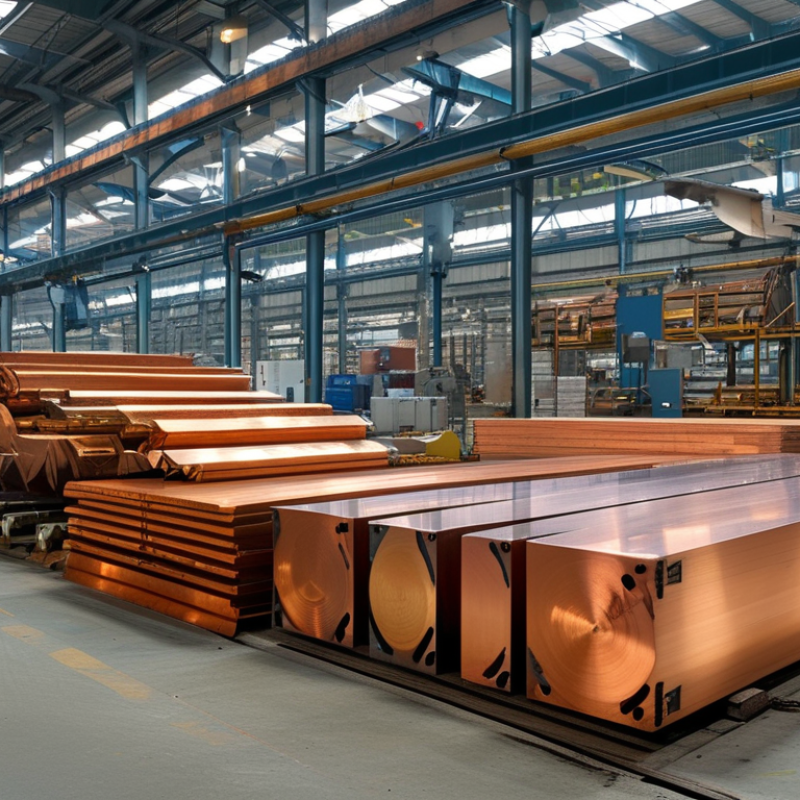
Copper plates offer numerous benefits in industrial applications. Their excellent thermal conductivity makes them ideal for heat exchange systems. They efficiently transfer heat, reducing energy consumption. This quality is crucial in industries like manufacturing and HVAC.
Additionally, copper plates possess superior corrosion resistance. They can withstand harsh environments, extending their lifespan. This durability means fewer replacements, leading to lower long-term costs. Many industries, such as marine and chemical sectors, find this feature invaluable.
However, it’s essential to consider the cost of copper. While it’s a premium material, the benefits often outweigh the initial investment. Businesses should evaluate their specific needs. The choice might be beneficial, but proper analysis is required.
Copper's Thermal Conductivity Advantages for Manufacturing
Copper plate is becoming a favored material in various manufacturing processes. Its exceptional thermal conductivity sets it apart. This property allows for efficient heat distribution, crucial in applications like electronics and thermal management. When heat is swiftly conducted away, equipment remains cooler, enhancing performance and lifespan.
Consider the importance of proper thickness. Thicker copper plates may provide higher durability, but they can be heavier and harder to work with. Striking the right balance is key. Moreover, welding or soldering must be done carefully. Uneven heating could lead to warping, which undermines the benefits of using copper.
Tips: Always assess your application’s specific thermal requirements. If you’re unsure about thickness, consult an expert in materials science. Remember, the choice of copper plate should match your project's complexity and budget. It’s easy to overlook these details, but they significantly impact your overall results.
Cost Efficiency: Long-Term Savings with Copper Plate Usage
Copper plates have become a popular choice for various business needs due to their cost efficiency and long-term savings. A recent report from the International Copper Association indicates that using copper can reduce operational costs by up to 30%. This statistic is critical for businesses looking to optimize their budgets. The durability of copper plates often translates to less frequent replacements. This reduces waste and lowers maintenance expenses, further contributing to overall cost savings.
When considering materials, businesses must also evaluate the long-term benefits. Copper’s superior thermal and electrical conductivity makes it suitable for a wide range of applications. According to industry studies, companies using copper plates have reported increased productivity while enjoying lower energy costs. This dual benefit maximizes investment returns and enhances competitive advantage.
Tip: Regularly assess the condition of your copper plates. Small issues can escalate if not addressed early, impacting efficiency.
Flexibility is another important factor. Copper can be easily customized, allowing companies to adapt quickly to changes in demand. However, fluctuating copper prices can pose risks. Businesses should monitor market trends to make informed decisions. A keen eye can lead to potential savings.
Tip: Develop a contingency plan for price fluctuations. This reduces financial strain during unfavorable market conditions.
Sustainability: The Environmental Impact of Copper in Business
Copper is a remarkable material for businesses aiming for sustainability. Its natural properties make it a prime choice for various applications. Copper is 100% recyclable, meaning it can be reused without losing quality. This longevity reduces the need for new materials and lessens the environmental burden. Businesses choosing copper often find that by doing so, they support a circular economy.
Beyond recyclability, copper has inherent benefits for energy efficiency. It has excellent conductivity, making it ideal for electrical applications. Using copper can lead to lower energy consumption over time. However, it’s essential to note that copper mining and processing can impact the environment. Companies must balance the benefits against the potential ecological consequences.
Investing in copper also invites questions about sourcing practices. Ethical mining and production methods are crucial for sustainable business. Companies should consider where and how their copper is sourced. Supporting eco-friendly practices not only enhances a brand’s reputation but also contributes to worldwide sustainability efforts.
Versatility in Industries: Copper Plate Applications and Trends
The versatility of copper plates makes them invaluable across various industries. The electrical sector heavily utilizes copper due to its excellent conductivity. According to the International Copper Association, approximately 60% of copper is used in electrical applications. This encompasses everything from wiring to circuit boards.
In manufacturing, copper plates also play a significant role. Their durability and resistance to corrosion make them ideal for components exposed to harsh conditions. The automotive industry, in particular, has seen a growing trend in the use of copper. A report by MarketsandMarkets predicts that the automotive copper market will reach $6.7 billion by 2026, reflecting a compound annual growth rate of 4.7%.
Copper plates are also gaining traction in construction. They provide aesthetic appeal as well as functional benefits. Architectural elements made from copper age beautifully, developing a distinctive patina over time. However, sourcing high-quality copper can sometimes be a challenge. Supply chain disruptions affect availability, forcing businesses to reconsider their material needs. Companies must stay informed about these trends to make strategic decisions.
Why Choose Copper Plate for Your Business Needs? - Versatility in Industries: Copper Plate Applications and Trends
| Industry |
Application |
Benefits |
Trends |
| Electronics |
Conductive components |
High conductivity, corrosion resistance |
Increase in miniaturization and efficiency |
| Construction |
Roofing and plumbing |
Durability, aesthetic appeal |
Sustainability and energy efficiency focus |
| Automotive |
Wiring and connectors |
Enhanced performance, lightweight |
Shift towards electric vehicles |
| Renewable Energy |
Solar panels and wind turbines |
Efficiency in energy conversion |
Growing demand for clean energy solutions |
| Medical |
Surgical instruments, antimicrobial surfaces |
Natural antibacterial properties |
Increasing focus on hygiene and safety |