Choosing the right Round Pipe begins with the job it must perform, not with a convenient diameter. A pipe carrying water faces different demands from a tube supporting a canopy or machine frame. Outer diameter, wall thickness, material grade, manufacturing method, and connection type all affect performance. Small differences matter. A thicker wall can add strength, but also weight and cost. A corrosion-resistant alloy may suit a damp site, yet be unnecessary indoors.
Industry context helps, but it cannot replace project calculations. The World Steel Association’s April 2025 Short Range Outlook forecast global steel demand at 1.75 billion tonnes in 2025, followed by a projected 1.3% rise in 2026. These figures describe steel broadly, not Round Pipe sales. Still, they underline why buyers should check current material availability and pricing rather than rely on old assumptions. The report is a useful market reference, not a design guide.
For a sound choice, define pressure, temperature, load, exposure, and expected service life before comparing products. Then confirm dimensions, tolerances, grade, and applicable specifications with the supplier. For example, ASTM A53 covers certain steel pipe applications, while ASTM A500 addresses structural tubing; they are not interchangeable labels. Ask for traceable mill test documentation where project requirements call for it. Check the details twice. A catalog description can look precise and still leave a critical requirement unclear. Engineers should verify suitability against project calculations and relevant standards. This guide explains the practical trade-offs—and where a seemingly simple selection deserves another look.
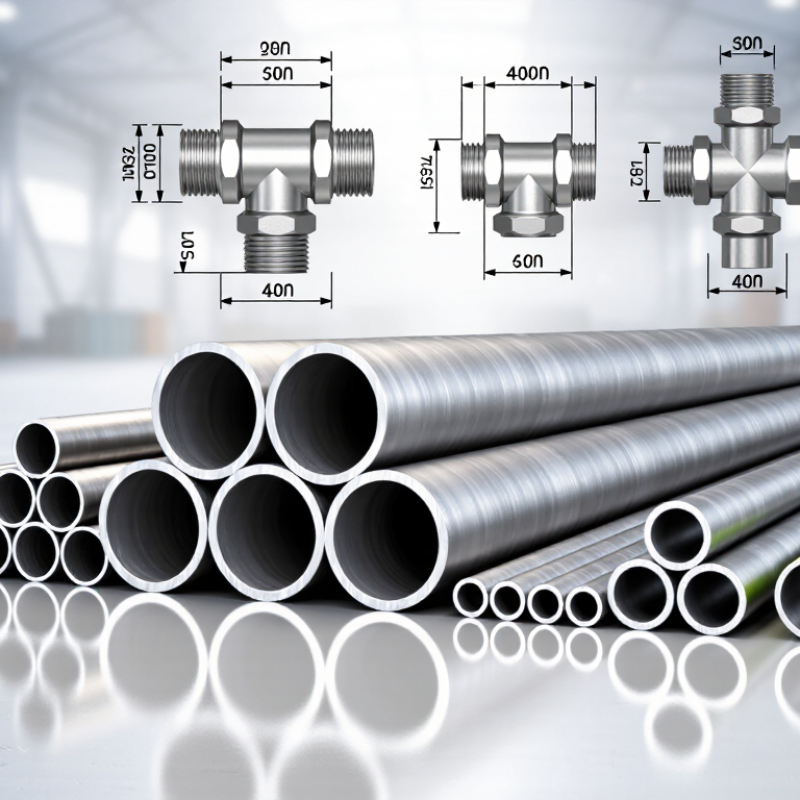
Before choosing a round pipe, define what it must carry and where it will operate. Water, compressed air, and abrasive slurry place different demands on the bore and wall. Note the design pressure, normal and peak temperatures, flow rate, and any pressure surges. Also check whether the pipe will sit outdoors, underground, or near chemicals. These details affect material, corrosion allowance, coating, and connection choice. Small details matter.
ASTM A53/A53M-22a lists Grade B steel pipe minimum yield strength as 35 ksi (240 MPa) and minimum tensile strength as 60 ksi (415 MPa). These are material properties, not safe working-pressure ratings. Allowable pressure also depends on wall thickness, diameter, manufacturing method, temperature, and design code. Treating one strength figure as a pressure answer is an easy mistake.
Picture a hot-water line passing through a cold, damp service corridor. Thermal movement, condensation, supports, and corrosion may matter as much as the fluid itself. For process piping, ASME B31.3 provides requirements for design conditions and material selection; confirm the applicable edition and project requirements with a qualified engineer. It is tempting to select a pipe by diameter alone. That shortcut can miss operating extremes, especially during startup or cleaning. Note the worst credible condition, not only the everyday one.

Estimated water flow capacity is calculated from pipe inside diameter and flow velocity using Q = v × A. Use the chart to compare preliminary sizes for a flow requirement; confirm actual inside diameter, pressure rating, fluid compatibility, temperature, and applicable code before selecting a pipe.
Round pipe material affects weight, corrosion resistance, strength, and installation effort. Carbon steel handles substantial loads and is common in structural and fluid applications. However, moisture can cause rust, so coatings or regular inspection may be needed. Galvanized steel adds a zinc layer, but cut ends and damaged areas can still corrode.
Stainless steel resists corrosion better, especially in damp or hygienic settings, though its higher cost may not suit every project. Aluminum is lighter and easier to handle on site. It can work well where weight matters, but its strength depends on the alloy and pipe dimensions. Copper transfers heat efficiently and resists many forms of corrosion. Yet it may react with particular fluids, so check compatibility rather than relying on appearance.
Plastic round pipe, such as PVC, is light and often resists chemicals, but temperature and pressure limits matter. It is not a substitute for metal in every application. Small details count. Compare wall thickness, diameter, operating temperature, fluid exposure, and joining method before choosing. A common mistake is selecting by material name alone; two pipes of the same material can perform differently. I would also review the project specification carefully, since requirements are easy to overlook. When conditions are uncertain, confirm the pipe rating with a qualified supplier or engineer.
Choosing a round pipe starts with the space it must fit and the job it must do. Confirm whether the stated diameter means outside diameter or inside diameter; the difference affects fittings and flow. For water or air, calculate the required internal area rather than choosing by appearance. For a frame or support, consider loads, unsupported span, and how the pipe will be connected. Small errors matter. Measure the available opening at several points, especially where old fittings or coatings may narrow it.
Wall thickness affects weight, strength, and usable internal diameter. Pressure, temperature, corrosion, and handling loads all matter, so a rough rule of thumb is not enough for a critical application. Check the pipe’s material specifications and published tolerances, then confirm the design with a qualified engineer when failure could cause injury or major damage. Measure twice. It sounds obvious, yet this step is easy to rush.
Set the length from the finished connection points, not just the visible gap. Include space for sockets, bends, end preparation, and installation access. If the pipe will heat up or sit outdoors, allow for movement and support it appropriately. A cut list can prevent waste, but leave room for actual site conditions; walls and floors are rarely as square as drawings suggest. Recheck each measurement before ordering or cutting.
Choosing the right round pipe starts with its working conditions, not just its outside diameter. Note the fluid or gas, operating temperature, and expected pressure. Pressure ratings change with material, wall thickness, pipe diameter, and temperature. A rating printed on a chart may not apply to your exact setup. Looks can mislead.
Check the specification carefully. Standards such as ASTM, ASME, or ISO define requirements for particular materials and applications; they are not interchangeable labels. Confirm the standard, grade, dimensions, and inspection requirements against your project documents. Then compare the pipe’s allowable pressure at its actual operating temperature, including any corrosion allowance or expected pressure spikes. It is easy to focus on the highest pressure figure and miss a limiting joint. Details matter.
Tips: Match connection types across the full assembly. Threaded ends can simplify small lines, while welded or flanged connections may suit other conditions and maintenance needs. Verify thread form, flange dimensions, gasket material, and joining procedure before ordering. Ask the supplier for a pressure rating tied to the exact pipe and connection, and keep the documentation. If conditions are uncertain, pause and have a qualified engineer review the selection.
A round pipe can look right on a drawing and still fail to fit the system. Confirm its outside diameter, wall thickness, length, and tolerance against the mating fittings. Check whether the pipe must carry pressure, support a load, or handle temperature changes. Small mismatches matter. A few millimeters can complicate alignment or require extra adapters.
Material compatibility deserves equal care. Compare the pipe material with the fluid, surrounding conditions, and cleaning methods. Moisture, chemicals, and outdoor exposure can affect corrosion and service life. When specifications are unclear, ask the supplier for a material certificate or technical data sheet. Do not rely on appearance alone; two pipes that look similar may have different grades or properties.
Availability can influence the design more than expected. Confirm stock, standard lengths, cut-to-size options, and realistic delivery dates before finalizing quantities. It is easy to overlook spare sections. For long-term maintenance, consider whether workers can reach joints and inspect likely wear points. Keep records of dimensions, material, and installation details. A simple inspection schedule helps reveal dents, rust, leaks, or loose supports early. Some plans still need adjustment after installation; field conditions are rarely as neat as the drawing.
| Pipe Material | Typical Uses | Compatibility Checks | Availability Considerations | Long-Term Maintenance | Before You Order |
|---|---|---|---|---|---|
| Carbon steel | Structural supports, industrial lines, and general-purpose piping. | Confirm the conveyed fluid, operating pressure, temperature, corrosion exposure, and required coating or lining. | Common pipe sizes and wall schedules are often stocked; special coatings, grades, or dimensions may require lead time. | Inspect for corrosion, coating damage, leaks, and support movement. Protective coatings may need repair or renewal. | Specify outside diameter, wall thickness or schedule, grade, end finish, and applicable product standard. |
| Stainless steel | Food processing, chemical service, water systems, and environments where corrosion resistance is needed. | Select the grade for the specific chemicals, chloride exposure, temperature, and cleaning process. Stainless steel is not immune to corrosion. | Common grades and sizes are widely distributed, while specialized grades, finishes, and wall dimensions may be less readily available. | Keep surfaces clean and inspect joints and crevices. Avoid contamination from carbon-steel tools or particles during fabrication. | Confirm grade, product form, dimensions, surface finish, joining method, and required documentation. |
| Copper | Potable-water plumbing, heating, and refrigeration systems when the system design permits. | Check water chemistry, fluid compatibility, temperature, pressure, and contact with dissimilar metals that could contribute to galvanic corrosion. | Common plumbing tube sizes are generally easy to source; verify the required tube type and local code acceptance. | Inspect joints for leakage and check for corrosion or damage, especially where the tube contacts other materials or is exposed to aggressive water. | Confirm whether the design calls for copper tube or pipe, the required size convention, wall type, temper, and fitting system. |
| Unplasticized PVC (PVC-U) | Many cold-water, drainage, and chemical-handling applications designed for rigid plastic piping. | Verify chemical resistance, operating temperature, pressure rating at temperature, UV exposure, and suitability for the intended service. | Standard pressure-pipe sizes and fittings are commonly available; metric and inch-based systems may not be interchangeable. | Protect from impact, excessive heat, and prolonged outdoor exposure unless the product is rated for those conditions. Inspect joints and supports. | Check the governing standard, nominal size, outside diameter, pressure class, fitting compatibility, and approved joining method. |
| High-density polyethylene (HDPE) | Water distribution, irrigation, buried services, and other systems designed for flexible thermoplastic pipe. | Check fluid compatibility, design pressure, temperature, surge conditions, burial environment, and joining procedure. | Available in a range of diameters and coil or straight lengths; large diameters and specific pressure classes may need advance ordering. | Inspect exposed sections and connections for damage, movement, or leakage. Protect pipe from sharp objects and follow installation guidance for burial and fusion. | Confirm outside diameter, dimension ratio or wall thickness, pressure class, material designation, and compatible fusion fittings. |
| Any material: sizing and system fit | All piping projects, including replacements and connections to existing equipment. | Compare the pipe’s actual outside diameter, inside diameter, wall thickness, pressure requirements, temperature limits, and connection type with the system design. | Check local stock, minimum order quantities, standard lengths, fittings, and delivery dates before finalizing the design. | Plan inspection access, replacement intervals where applicable, cleaning needs, and the availability of compatible repair parts. | Use the relevant standard and manufacturer data for final selection; nominal size alone does not confirm dimensional or connection compatibility. |
Selection note: Compatibility and pressure limits depend on the exact product grade, dimensions, joining method, operating conditions, and applicable codes. Verify these details with current technical data before purchase or installation.