How to Choose the Right Square Pipe Supplier?
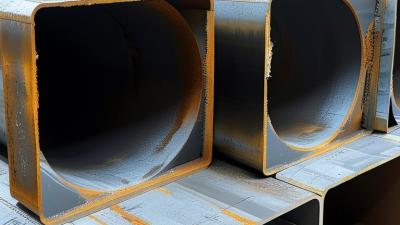
Choosing the right Square Pipe supplier can affect structural safety, production speed, and long-term costs. The decision is not only about finding the lowest quotation. A dependable supplier should provide consistent dimensions, verified material grades, and clear production records. Small differences matter. A two-millimeter wall variation can affect welding, load performance, and fitting accuracy. Experienced buyers usually check outside dimensions, wall thickness, steel grade, surface finish, and length tolerance before placing a large order.
A reliable supplier should also explain its quality process in practical terms. Ask for mill test certificates, inspection reports, sample pieces, and details about coating or galvanizing standards. If your project requires Square Pipe for construction, machinery, furniture, or outdoor frames, the supplier should understand the working environment. Moisture, vibration, heat, and repeated loading may require different specifications. Visit the factory when possible. Look at storage conditions, cutting equipment, packaging, and production records. Clean bundles and protected corners reveal useful habits.
Price still matters. It should not be the only measurement. A very cheap offer may exclude testing, packaging, inland delivery, or replacement support. Confirm minimum order quantities, lead times, payment terms, and how complaints are handled. No supplier is perfect. Even an experienced manufacturer may face delays or occasional defects. What matters is whether the company communicates honestly and corrects problems quickly. A careful comparison creates fewer surprises, though it cannot remove every risk. That is the real purpose of this guide.
Define Square Pipe Grades: ASTM A500 Yield Strength and Wall Tolerances
Choosing the right square pipe supplier starts with understanding ASTM A500 grades, not comparing prices alone. ASTM A500 covers cold-formed welded and seamless carbon steel structural tubing.
Grade A provides a minimum yield strength of 39 ksi.
Grade B reaches 46 ksi.
Grade C reaches 50 ksi.
Grade D provides 36 ksi and requires stress-relieving treatment.
Wall tolerance matters when pipes support loads or fit tightly into fabricated frames. ASTM A500 generally permits the wall thickness to be up to 10% below the specified value. A pipe marked as 0.250 inches may therefore measure less at some points.
Check the applicable standard edition and project requirements. Do not rely on labels alone. Request mill test reports, chemical results, yield data, and measured dimensions from the supplier. An experienced supplier should explain these records clearly.
Tips:
Ask how the supplier controls wall variation during forming and welding. Request sample measurements from several locations. Check outside dimensions, corner radii, straightness, and surface condition. A common mistake is accepting the nominal wall thickness without checking the minimum actual wall. I have seen small differences create fitting problems during fabrication. That lesson is easy to overlook. Before ordering, confirm the grade, size, tolerance, test documentation, and delivery condition in writing. Suppliers who hesitate over these details may create costly uncertainty later.
Compare Dimensions, Section Properties, and Size Availability Across Suppliers
Choosing the right square pipe supplier requires more than comparing price per meter. Start with the dimensions you actually need. Check outside width, height, wall thickness, corner radius, and length tolerance. A pipe listed as 100 × 100 mm may have different internal dimensions between suppliers.
Section properties deserve equal attention. Review the cross-sectional area, weight per meter, moment of inertia, and section modulus. These values affect load capacity, bending resistance, and connection design. For structural work, do not rely on outside dimensions alone. A lighter wall may reduce cost, but it can also change deflection and welding behavior.
Ask each supplier for current size availability, production tolerances, material grades, and inspection documents. A broad catalog means little if common sizes remain unavailable. Confirm whether standard lengths are stocked or made to order. Lead times can change.
I once compared two pipes with identical nominal dimensions. Their wall thickness tolerances created different calculated weights. That small detail changed the material estimate. It was an easy oversight. Supplier data should be checked against drawings, project loads, and applicable standards. Request sample certificates when possible, and verify whether section properties are measured or calculated. Clear technical support also matters. A dependable supplier answers specific questions without hiding behind a sales sheet. Availability, accuracy, and technical consistency usually matter more than an attractive initial quotation.
Verify Mill Certifications, ISO 9001 Systems, and Material Traceability
How to Choose the Right Square Pipe Supplier?
A reliable square pipe supplier should prove quality before production begins. Ask for the mill certificate, not only a sales brochure. The certificate should identify the steel grade, heat number, chemical composition, mechanical properties, and production standard. Match every detail with your purchase order.
The scale of steel production makes traceability essential. The World Steel Association reported about 1.89 billion tonnes of crude steel production in 2023. Large volumes can increase the risk of mixed batches or incomplete records. Keep that in mind. Check whether each pipe bundle carries a heat number linked to its material test certificate. Then verify the certificate with the issuing mill when possible.
ISO 9001 certification is useful, but it is not a guarantee of perfect products. The ISO Survey 2022 recorded 1,265,216 ISO 9001 certificates across 189 countries and economies. This shows its wide adoption, not automatic supplier competence. Review the supplier’s certification scope, audit status, corrective-action records, and document-control process. A current certificate matters.
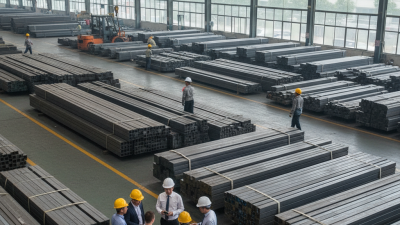
Request samples of inspection reports. Check wall thickness, corner radius, straightness, surface condition, and weld quality. Independent testing may be appropriate for critical structures. Some suppliers provide excellent paperwork but weak batch control. That is a real concern. A short factory audit, or even a video review of labeling and storage, can reveal gaps before shipment.
Assess Manufacturing Capacity, Lead Times, MOQ, and Quality Inspection Data
How to Choose the Right Square Pipe Supplier?
A capable square pipe supplier should show more than attractive product photos. Ask for current manufacturing capacity, available pipe sizes, wall thickness ranges, and monthly output. A supplier with several production lines can usually manage repeat orders more reliably. However, capacity figures may include every product category. Request evidence for your specific pipe type and dimensions.
Lead time deserves careful checking. Ask for the production schedule, raw material availability, packing time, and shipping preparation. A clear timeline should separate manufacturing days from transport days. Minimum order quantity also matters. A high MOQ can create unnecessary inventory, especially for trial projects or custom sizes. Negotiate a smaller pilot order when possible. It may cost slightly more per piece, but it reduces financial risk.
Quality inspection data should be specific and traceable.
Request material certificates, dimensional inspection records, weld checks, surface evaluations, and test results for mechanical properties. Check whether samples come from your actual batch. A polished certificate is not proof of consistent production. Inspect random pieces with a caliper, wall-thickness gauge, and coating meter when applicable. I have seen suppliers pass sample checks but weaken control during larger orders. That weakness is easy to miss. Keep inspection criteria in writing, including tolerance limits, packaging details, and procedures for handling nonconforming pipes. Allow room for rechecking your own assumptions.
Evaluate Pricing Using Total Cost, Standards Compliance, and Delivery Risk
How to Choose the Right Square Pipe Supplier?
A low unit price can hide expensive details. Compare the total cost, not only the quoted pipe price. Include freight, cutting, packaging, unloading, testing, storage, and possible rejection costs. Payment terms also affect cash flow. A supplier offering cheaper pipe may charge more for urgent transport or small production runs. Ask for a line-by-line quotation. It makes gaps easier to find.
Standards compliance protects both performance and purchasing decisions. Confirm the required standard, dimensions, wall thickness, steel grade, and surface finish before ordering. Request recent mill certificates, inspection records, and traceability documents. Check whether certificates match the actual batch. Do not assume a familiar format proves compliance. An independent inspection may be worthwhile for large projects. It costs money, but reworking a failed structure costs more.
Delivery risk deserves equal attention. Ask about production capacity, normal lead times, stock availability, and backup arrangements. Clarify what happens when raw material arrives late. Obtain a realistic shipping schedule, including loading and customs time. A written delivery commitment is stronger than a confident phone call. Still, schedules can slip. A small safety margin helps. In practice, buyers sometimes focus too heavily on price and discover delays only after site work begins. I would compare at least three suppliers using the same technical and delivery requirements. The cheapest offer may not be the most economical choice.
How to Choose the Right Square Pipe Supplier?
Evaluate pricing using total cost, standards compliance, and delivery risk.
A practical supplier evaluation should not rely on unit price alone. The recommended weighting gives total landed cost the highest priority, while standards compliance protects product quality and delivery-risk controls help prevent production delays, emergency freight, and excess inventory.