What is Hot Rolled Steel Coils and Why are They Important?
Hot Rolled Steel Coils are a fundamental component in various industries. They are produced through a process that involves rolling steel at high temperatures, which helps to reshape and strengthen the material. This method is essential for creating strong, durable products. The importance of Hot Rolled Steel Coils cannot be overstated. They provide structural support in construction, automotive manufacturing, and machinery production.
These coils are known for their affordability and versatility. Manufacturers often choose them for large-scale applications. Despite their many benefits, the quality of Hot Rolled Steel Coils can vary. Factors such as temperature control and material impurities can affect the final product. Careful consideration is necessary to ensure reliability in applications.
Understanding the properties and uses of Hot Rolled Steel Coils is crucial for industry professionals. It is essential to recognize both their strengths and potential limitations. As industries evolve, so too do the demands placed on materials like these coils. Continuous improvement and innovation are key in this field. This ensures that Hot Rolled Steel Coils remain relevant and effective in meeting modern challenges.
What is Hot Rolled Steel Coils?
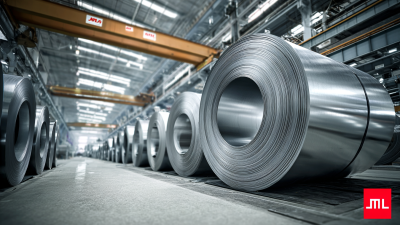
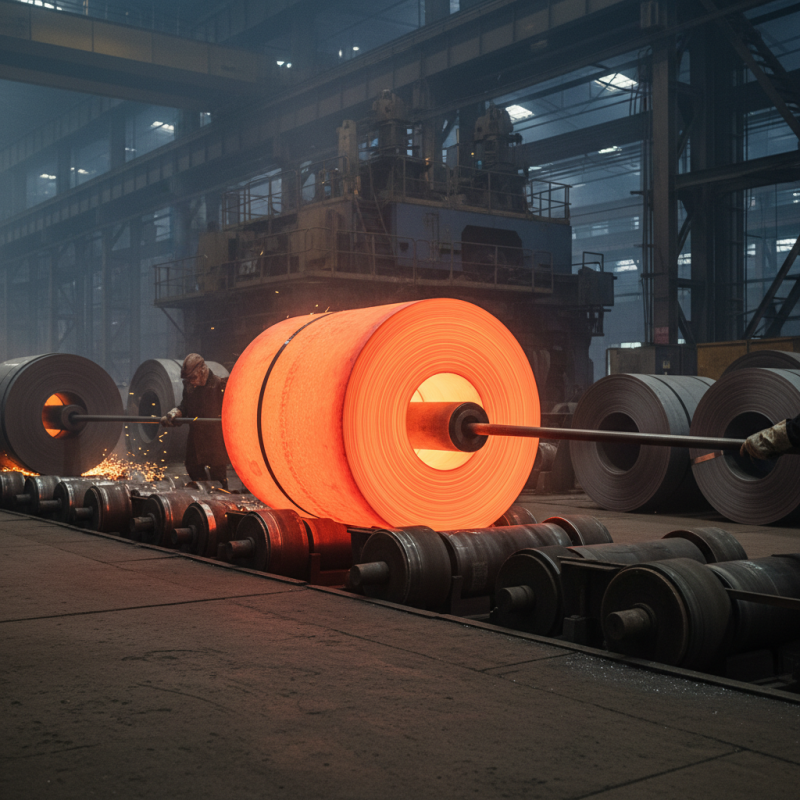
Hot rolled steel coils are a crucial product in the steel industry. They are formed by heating steel above its recrystallization temperature. This process allows the steel to be rolled into a coil shape while it is still hot. The result is a flexible and malleable material that is easy to shape. Hot rolled steel is commonly used in construction, manufacturing, and vehicle production.
The unique properties of hot rolled steel make it a versatile choice. It offers a rough finish, which is beneficial for applications requiring better adhesion, such as welding and painting. Additionally, hot rolled steel is usually less expensive than cold rolled steel because the production process is simpler and requires less energy. However, it can warp or shrink when cooled, which may affect the dimensions and straightness. This unpredictability can be challenging for some projects.
In practical terms, hot rolled steel coils are often found in products like structural beams, pipe, and plates. The manufacturing process can lead to imperfections, which require careful handling and consideration in design. While hot rolled steel serves many needs, the potential for defects and variations means users must pay attention to their specific requirements and standards. This awareness ensures the material fulfills its intended purpose effectively.
The Manufacturing Process of Hot Rolled Steel Coils
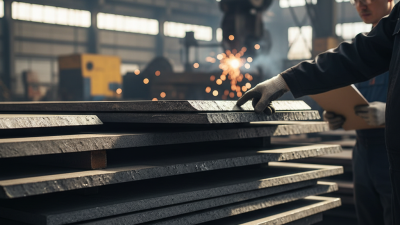
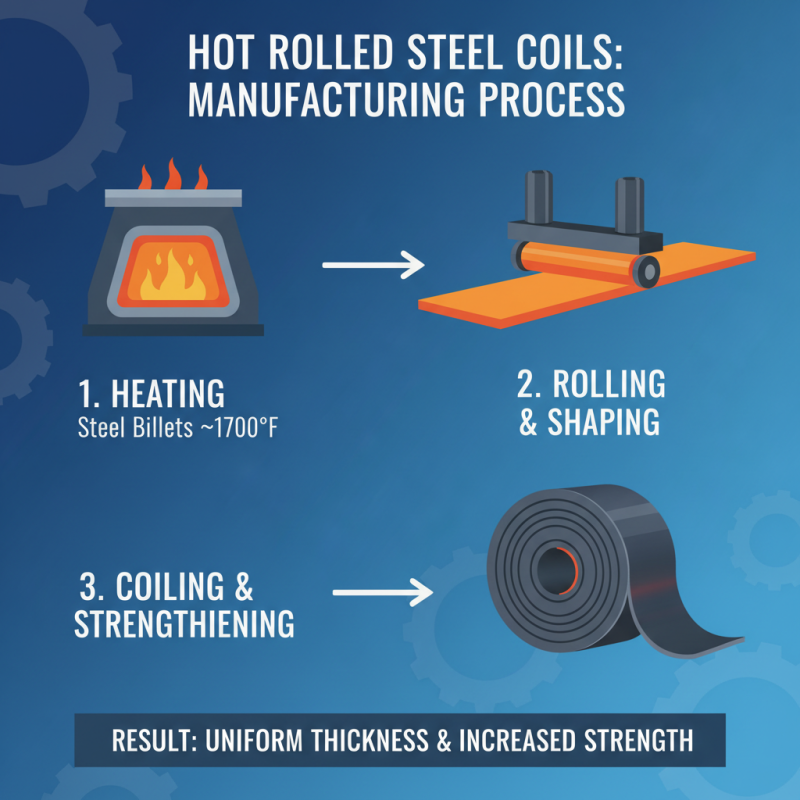
The manufacturing process of hot rolled steel coils is a crucial aspect of metallurgy. It begins with heating steel billets or slabs. These materials are heated to approximately 1,700°F, making them malleable. Once heated, they are passed through rollers. The continuous deformation shapes them into thin sheets called coils. This process ensures uniform thickness and improves overall strength.
Heat plays a vital role in hot rolling. It allows the steel to retain its structure while being manipulated. However, the high temperatures can sometimes introduce issues. For instance, oxidation may occur, affecting the surface quality. Additionally, if not monitored closely, the thickness can vary, leading to inconsistent products.
After rolling, the coils are cooled and coiled for storage or shipment. This method enhances efficiency, providing significant advantages in production time. Nonetheless, manufacturers must constantly evaluate their methods. Understanding the limitations of this process can lead to innovations. These adaptations can improve the end product's quality, driving advancements in the steel industry.
Key Properties and Characteristics of Hot Rolled Steel Coils
Hot rolled steel coils are produced by heating steel above its recrystallization temperature. This process allows the steel to be easily shaped and formed. The high temperatures also reduce the occurrence of defects. The result is a strong, flexible material suitable for various applications.
One key property of hot rolled steel coils is their excellent ductility. This allows the coils to be processed into different shapes without breaking. Additionally, their surface finish is typically rough and displays scale. Users should note that this may affect final aesthetics in some applications. While hot rolled steel is cost-effective, it may not be ideal for precision applications due to tolerances.
Another characteristic is their ability to be welded easily. This makes them popular in construction and manufacturing. However, they can undergo warping if not handled properly. This requires careful consideration in design and fabrication processes. Understanding these factors leads to better decision-making in selecting materials for specific projects.
Key Properties of Hot Rolled Steel Coils
Applications and Uses of Hot Rolled Steel Coils in Various Industries
Hot rolled steel coils are a versatile material widely used across various industries. Their production involves heating steel above its recrystallization temperature, making it malleable. This high-temperature process improves the material's mechanical properties, resulting in stronger and more durable products essential for construction and manufacturing.
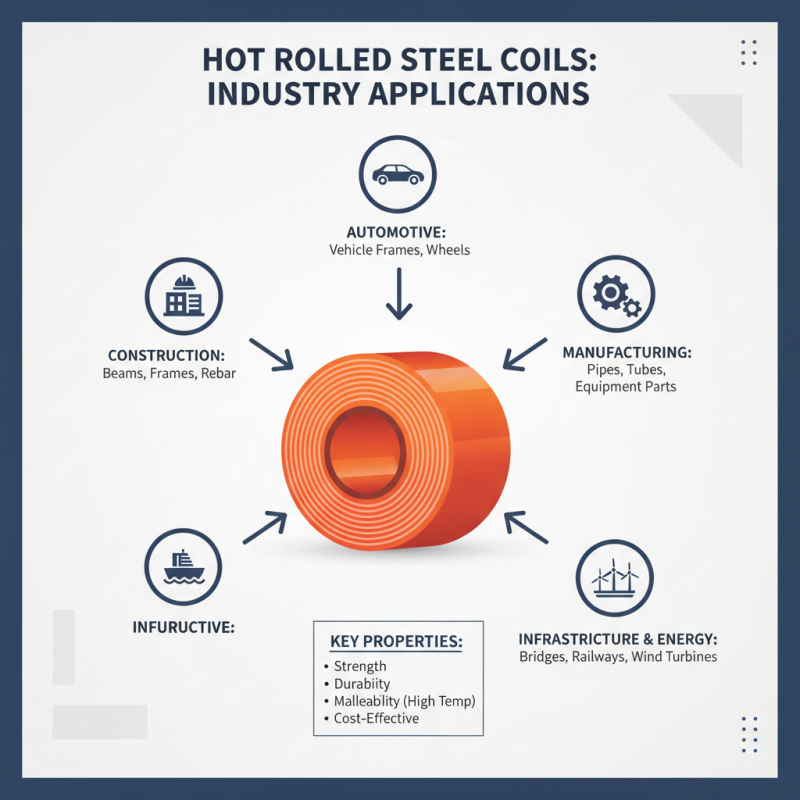
In construction, hot rolled steel coils serve crucial roles. They are used in beams, columns, and frameworks. The strength of these coils allows for the creation of lighter structures without sacrificing safety. Manufacturers rely on hot rolled steel for machinery parts and automotive components. These applications require resilient materials capable of withstanding high stress and forces. Though hot rolled steel is common, it is not without its challenges. Achieving consistent quality across coils can be difficult, leading to variability in performance.
In the energy sector, hot rolled steel plays a vital part in producing pipelines and storage tanks. Their ability to withstand extreme temperatures and pressures is unmatched. However, the industry must continually reflect on improving production processes. Environmental considerations also necessitate advancements in sustainability. The journey of hot rolled steel is one of constant evolution, driven by industry needs and technological advancements.
The Importance of Hot Rolled Steel Coils in Construction and Manufacturing
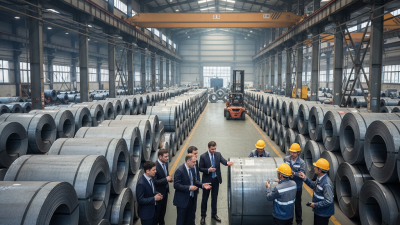
Hot rolled steel coils play a crucial role in construction and manufacturing. These coils, produced through the hot rolling process, offer significant advantages. They have a smooth surface and uniform thickness, making them ideal for various applications. In fact, the global hot rolled steel market is projected to reach $900 billion by 2026, highlighting their importance in the industry.
In construction, hot rolled steel is often used for structural frameworks. Buildings and bridges require strong materials to withstand heavy loads. According to the American Institute of Steel Construction, about 90% of all steel made in the U.S. goes into the construction sector. This illustrates the pivotal role that hot rolled steel plays. However, it is essential to note that improper handling can lead to defects, compromising safety.
Tips: When selecting hot rolled steel coils, ensure you check certifications and quality standards. Look for reliable suppliers who provide transparent information. Understanding your project's specific requirements can greatly enhance durability and safety. Hot rolled steel's versatility is impressive, yet it demands attention to detail during installation to avoid structural issues.