Square Pipe Buying Guide Tips for Global Importers
The global demand for square pipes is on the rise, driven by various sectors including construction and manufacturing. According to industry reports, the square pipe market is projected to grow at a CAGR of 5.2% from 2021 to 2028. This growth is attributed to increased urbanization and infrastructure development. Understanding how to navigate the square pipe supply chain is crucial for importers.
With several types of materials used in manufacturing square pipes, the selection process can be overwhelming. Steel, for instance, offers durability and strength, while aluminum provides lightweight characteristics. Importers must weigh the benefits of each material against their specific requirements. Reports indicate that improper material selection may lead to project delays and increased costs. Therefore, seeking expert advice can be beneficial.
However, potential pitfalls exist when sourcing square pipes from global suppliers. Quality assurance and compliance with international standards are imperative. Data shows that around 25% of importers face challenges related to quality issues. It's essential to conduct thorough research before establishing supplier relationships. This guide aims to provide valuable insights to help importers make informed decisions.
Understanding Square Pipes: Types and Specifications
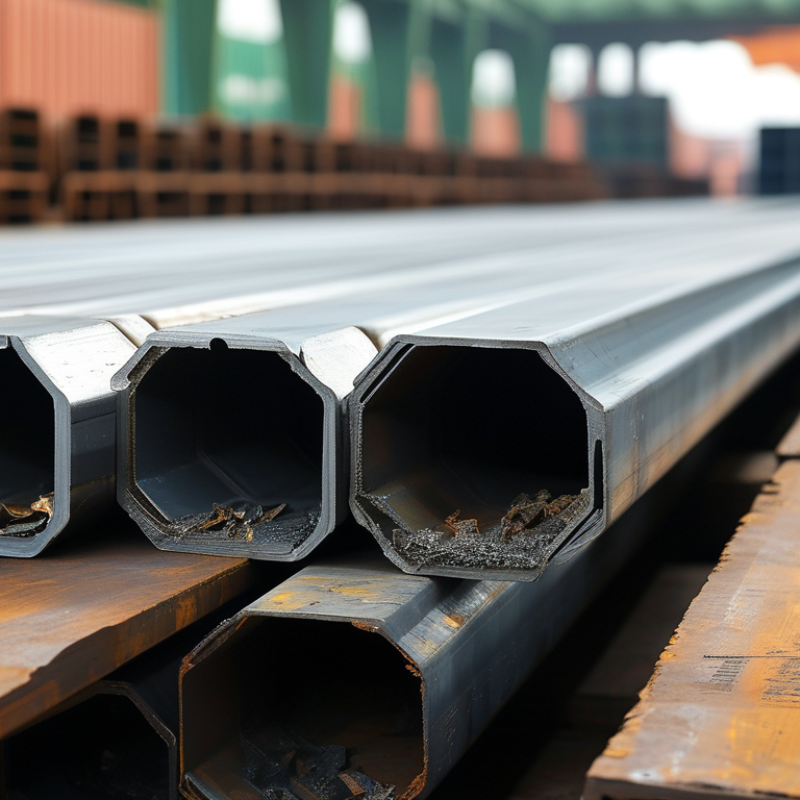
When importing square pipes, understanding their types and specifications is crucial. Square pipes come in various materials, including stainless steel, aluminum, and carbon steel. Each material offers unique properties, affecting strength, corrosion resistance, and weight. For instance, stainless steel is known for durability, while aluminum is lightweight and resistant to oxidation.
Consider the dimensions and thickness as well. The size often impacts the application and installation process. Importers should measure the inner and outer dimensions to ensure compatibility with existing structures. Pay attention to the wall thickness, as it affects the pipe's strength and capacity to withstand pressure.
Tip: Always request material certifications and test reports from suppliers. Verify their quality control processes. Ensure that the specifications meet your project requirements. A small oversight in size or material can lead to significant structural issues later. Reflect on your supplier's reliability—choose those with a proven track record in quality.
Square Pipe Specifications Comparison
Identifying Reliable Suppliers for Square Pipe Imports
When importing square pipes, identifying reliable suppliers is crucial. Start by researching potential suppliers online. Check their websites for certifications. Reliable suppliers usually display their standards and compliance clearly. Look for those who have relevant industry experience. A decade in the business often indicates reliability.
Reach out to suppliers directly. Ask about their production process and quality control measures. Communication is vital; prompt responses indicate professionalism. Visit their facility if possible. Seeing their operations gives you confidence in their capabilities. Pay attention to the materials they use and their manufacturing technologies.
Consider reviews from other importers. Feedback can reveal a supplier's strengths and weaknesses. Be aware of red flags, like overly aggressive sales tactics. If a deal seems too good to be true, it might be. Understand that establishing a relationship with a supplier takes time. Beware of rushing into agreements without thorough checks. Trust your instincts and gather as much information as possible.
Evaluating Quality Standards and Certifications for Square Pipes
When sourcing square pipes, understanding quality standards is vital. These standards ensure the pipes meet specific requirements for strength and durability. Look for pipes that adhere to recognized international norms. Commonly referenced certifications include ASTM, ISO, and EN standards. These documents outline testing methods and material properties.
Evaluating certifications requires diligence. Always request documentation from suppliers. Verify their claims with third-party laboratories. This reinforces trust and helps avoid potential defects. Inspecting physical samples is also essential. A closer look can reveal discrepancies.
Uniformity in color, finish, and dimensions is critical for long-term projects.
Global importers should conduct regular audits. Engage with suppliers in dialogues about their quality control processes. Understand that not all providers maintain the same level of diligence. Discrepancies may exist, leading to significant consequences. Cultivating a relationship with reliable manufacturers fosters dependability. Don't overlook this essential aspect of sourcing.
Negotiating Prices and Terms in Square Pipe Buying
Negotiating prices and terms in square pipe buying is critical for global importers. Start by researching the current market rates for square pipes. Understanding the price trends can give you leverage during negotiations. Prepare a list of specifications you require, such as size and material. This clarity will help in determining fair pricing.
When you initiate the negotiation, communicate openly yet assertively. Ask the supplier about their pricing structure and potential discounts for bulk purchases. Don’t hesitate to propose a counteroffer if their initial price exceeds your budget. Remember, establishing a relationship of trust can lead to better terms. Use your knowledge of the market to back your negotiation points.
Throughout the process, be flexible but firm. Sometimes, suppliers may offer terms that seem attractive at first glance, but reassess the long-term implications. Consider delivery times and payment conditions as part of the negotiation. Feeling pressured to close a deal quickly can lead to oversights. Reflect on your priorities and stay focused on your core needs.
Logistics and Import Regulations for Global Square Pipe Transactions
When diving into the logistics and import regulations for square pipe transactions, understanding the complexities is essential. Global square pipe imports maintain a significant growth rate, projected to reach USD 3.5 billion by 2025, according to industry reports. However, navigating through regulations can be tricky. Importers must stay updated on tariff rates and compliance standards specific to their destination countries.
Documentation plays a critical role. Accurate paperwork prevents delays at customs and avoids hefty fines. Common documents include the commercial invoice, bill of lading, and certificates of origin. Each country has unique requirements, so being well-informed is vital. A misstep in documentation can lead to extended delays and unexpected costs.
Additionally, consider the logistics of transporting square pipes. Transport modes vary from container shipping to air freight. Shipping by sea remains the most economical but often results in longer transit times. Balancing cost and time is crucial for successful transactions. Reflecting on past imports can reveal valuable lessons, such as adjusting shipping routes or reevaluating logistics partners. Adaptability is key in this fluid market.