Best Copper Pipes for Global Buyers in China Today?
In the competitive world of plumbing and construction, finding the right materials is crucial. Among these, **copper pipes** play a vital role. They are known for their excellent durability and corrosion resistance. Many global buyers in China seek high-quality options to meet diverse project needs.
China has emerged as a leading supplier of copper pipes. The variety available can be overwhelming. Each type serves different purposes. It’s essential to engage with reputable manufacturers for reliable products. However, not all suppliers maintain consistent quality. Buyers must conduct thorough research to avoid costly mistakes.
Quality assurance is key. Understanding specifications and industry standards is vital. It helps buyers make informed decisions. This journey may reveal both promising and disappointing experiences. Reflecting on these challenges will guide buyers towards better choices in the future. The right **copper pipes** can significantly impact both costs and project success.
Overview of Copper Pipe Types Available in China
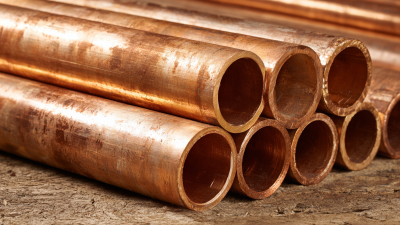
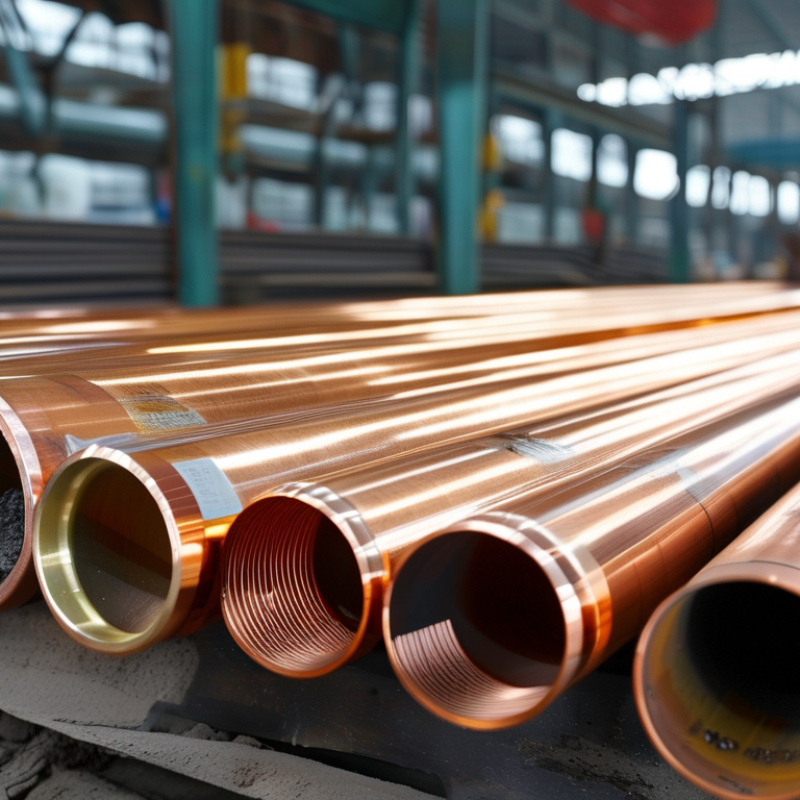
Copper pipes have a wide range of applications, particularly in plumbing and HVAC systems. In China, several types of copper pipes are available, each catering to different needs. Generally, the most common types include Type K, Type L, and Type M copper pipes. Type K pipes feature the thickest walls, making them suitable for underground or high-pressure applications. Type L pipes are often used in plumbing and are known for their balance of strength and flexibility. Type M pipes, with thinner walls, are typically utilized for interior systems.
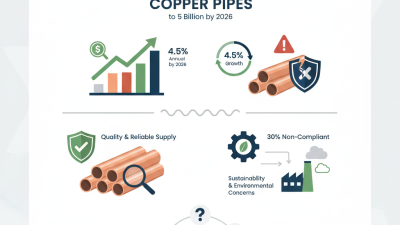
According to industry reports, the demand for copper pipes in China has been rising by 5.2% annually. This growth is driven by increasing investments in infrastructure and renewable energy projects. Notably, green building standards have emphasized the importance of sustainable materials, boosting copper's appeal. Each type of pipe offers unique advantages and challenges. For instance, while Type K may excel in durability, it could be less flexible for certain installations.
Buyers need to consider engaging with reliable suppliers. Market fluctuations can affect pricing and availability. Experts suggest that companies conduct thorough evaluations of potential suppliers. Understanding these pipe types and their characteristics is crucial for making informed purchasing decisions.
Best Copper Pipes Types Available in China
Key Manufacturers of Copper Pipes in the Chinese Market
Copper pipes are crucial in various industries, especially plumbing and HVAC. The Chinese market is home to several key manufacturers specializing in copper pipes. These companies focus on quality and innovation, ensuring their products meet international standards. They contribute significantly to the global supply chain of copper materials.
Several notable manufacturers stand out in this competitive landscape. They employ advanced techniques for better durability and efficiency. Product testing is a common practice among these firms, ensuring reliability and safety. However, buyers often face challenges, such as navigating diverse quality levels and price ranges. It's essential to conduct thorough research before making a purchase.
The varying specifications of copper pipes may lead to confusion. Understanding the right dimensions and grades is crucial. Some manufacturers may offer lower prices but compromise quality. Quality assurance remains a top priority for most reputable producers. Buyers should seek suppliers with a strong track record and clear certifications.
Quality Standards and Certifications for Copper Pipes in China
In the competitive market for copper pipes in China,
quality standards and certifications play a vital role. The Chinese National Standards (GB)
set specific requirements for copper pipes used in construction and plumbing. Compliance
with these standards assures buyers of the product's reliability and safety. For example,
copper pipes must undergo rigorous testing for mechanical properties, corrosion resistance,
and dimensional accuracy, ensuring they meet industry demands.
Moreover, certifications like ISO 9001 highlight a manufacturer's commitment to
quality management systems. This certification demonstrates a company's ability to
consistently provide products that meet customer and regulatory requirements. In recent
studies, it has been observed that manufacturers with ISO certifications report
significantly lower defect rates. A report from the International Copper Association
indicates that high-quality copper pipes can reduce failure rates by up to 30%.
Nonetheless, many buyers may overlook the significance of these standards during their
procurement process. Some might prioritize cost over quality, leading to potential
long-term repercussions. Understanding these quality frameworks is essential for
global buyers navigating the Chinese market, ensuring they invest in reliable and
durable products.
Pricing Trends and Factors Affecting Copper Pipe Costs
The demand for copper pipes in China has surged recently, affecting pricing trends. Several factors influence the costs of copper pipes. Global supply chain issues often lead to price fluctuations. Natural disasters, geopolitical tensions, and trade tariffs also play crucial roles in shaping market conditions.
Copper prices are closely linked to global manufacturing rates. High production demands from various industries can push prices up. Likewise, declining mining outputs affect overall supply. Speculation in commodity markets further complicates pricing trends. Buyers should stay informed about these dynamics to make strategic purchasing decisions.
Quality and sourcing are vital for buyers. While cheaper options might seem attractive, they can compromise reliability. It’s essential to assess the quality of copper pipes, ensuring they meet industry standards. Reflecting on past purchases can provide insights into future buying strategies. Understanding the link between quality and cost is crucial for informed decisions.
Import Regulations and Guidelines for Global Buyers in China
Importing copper pipes into China requires a thorough understanding of regulations. Global buyers must navigate several critical processes. Compliance with local laws is essential. The importation of copper products falls under specific tariff codes, which can change. Current regulations from the General Administration of Customs China (GACC) indicate a growing focus on environmental standards.
According to the China Nonferrous Metals Industry Association, the demand for copper pipes in construction has surged by over 30% in recent years. However, this demand puts pressure on buyers to ensure their products meet quality standards. For effective importation, certificates of origin and compliance with the Ministry of Ecology and Environment are crucial. Failure to secure these documents can lead to delays and increased costs.
Understanding local market trends can be beneficial. Reports suggest a shift toward sustainable materials, influencing buyer choices. Still, many buyers overlook the importance of proper documentation. This oversight can result in unexpected penalties. As the market evolves, keeping abreast of regulatory changes is vital for success.