Essential Tips for Sourcing Hot Rolled Plate Globally?
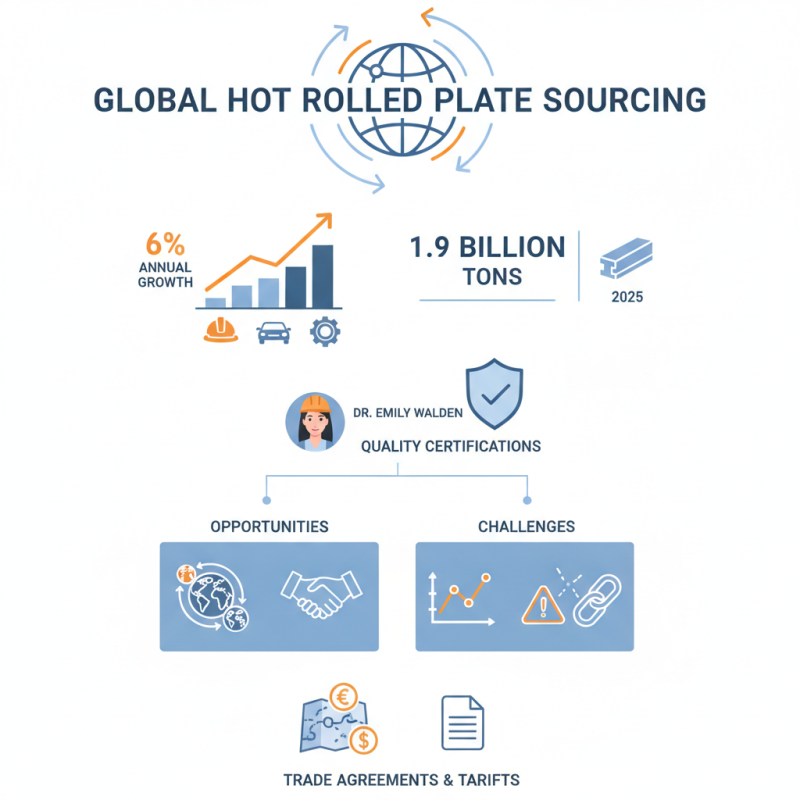
Sourcing hot rolled plate globally requires a strategic approach. The global market has seen a significant increase in demand, with an estimated growth of 6% annually. This demand is fueled by industries such as construction, automotive, and manufacturing. For instance, a report by the World Steel Association highlights that steel consumption worldwide will reach 1.9 billion tons by 2025, with hot rolled plate comprising a substantial share.
Industry expert Dr. Emily Walden, a renowned metallurgical engineer, emphasizes the importance of quality in sourcing. She states, "The integrity of hot rolled plate directly impacts the performance of the final product." Her insights reflect the need for buyers to prioritize reliable suppliers who can deliver consistent quality. It's crucial to evaluate potential partners thoroughly, assessing their production capabilities and quality certifications.
While the opportunities for sourcing hot rolled plate are vast, challenges exist. Market fluctuations, varying standards, and supply chain disruptions can complicate procurement efforts. A successful strategy must account for these factors and include contingency plans. Awareness of regional trade agreements and tariffs is also necessary to navigate the complexities of global sourcing effectively.
Understanding Hot Rolled Plates: Properties and Applications
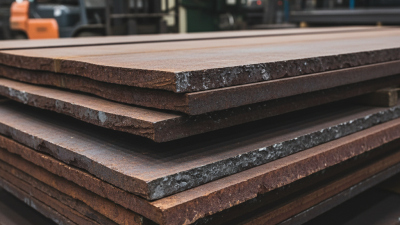
Hot-rolled plates are essential for various industries, including construction and manufacturing. They boast unique properties, such as high strength and good ductility. The typical thickness ranges from 3 mm to 25 mm, depending on applications. According to the World Steel Association, global hot-rolled plate production reached approximately 1.3 billion tons in 2022, indicating a strong demand in the market.
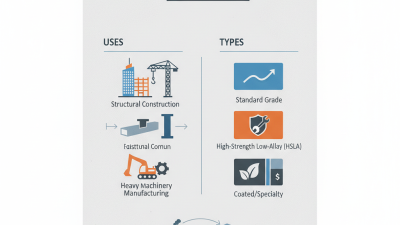
The applications of hot-rolled plates are diverse. In construction, they support structural components and machinery. In manufacturing, they are part of shipbuilding and automotive production. Their surface finish, often with a rough texture, affects welding processes and surface treatments. In fact, data from the International Organization for Standardization (ISO) shows that around 70% of hot-rolled plates undergo further processing.
However, sourcing these plates can be challenging. Quality control is vital to ensure they meet specifications. Variations in chemical composition can lead to performance issues in applications. Buyers should conduct regular inspections and collaborate with trusted suppliers for better quality assurance. With global sourcing, factors like transportation costs and carbon footprint must also be considered. Balancing quality and cost is crucial for successful procurement.
Identifying Key Global Suppliers for Hot Rolled Plates
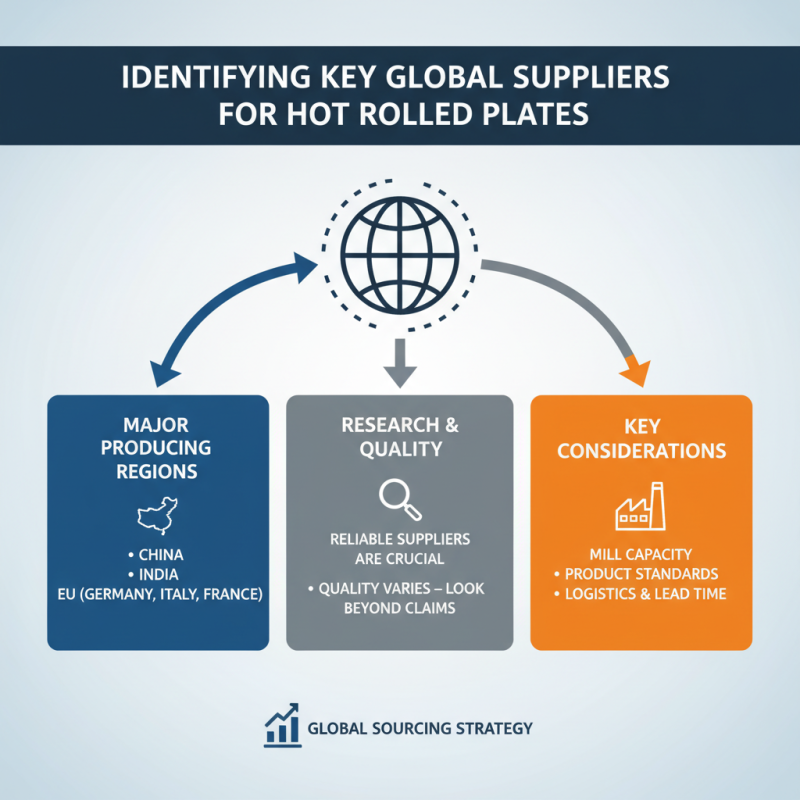
When sourcing hot rolled plates globally, identifying reliable suppliers is crucial. Start by researching major producing regions known for their steel capacity. Countries like China, India, and the EU are significant players. Each has numerous mills, yet quality can vary. Be prepared to investigate beyond surface-level claims.
Engage with suppliers who offer transparent documentation. Request certifications that confirm their production standards. A reliable supplier will share testing results and material specifications. Consider attending international trade shows. These events can connect you with potential partners. Face-to-face meetings often reveal more than email exchanges.
Ask for references to gauge supplier reliability. Reach out to others in your industry for recommendations. However, rely on your judgment. Past experience doesn’t guarantee future performance. Evaluate multiple suppliers to ensure you are not putting all your resources in one basket. This approach minimizes risk while maximizing quality assurance.
Evaluating Quality Standards in Hot Rolled Plate Sourcing
When sourcing hot rolled plates globally, evaluating quality standards is crucial. The American Society for Testing and Materials (ASTM) establishes key benchmarks for plate quality. Their specifications, such as ASTM A36, outline minimum requirements for yield strength and composition. Adhering to these standards ensures the material meets structural integrity demands.
Interestingly, a 2021 report from the World Steel Association noted that 45% of global finishes contain quality compliance issues. This data emphasizes the need for diligence in assessing suppliers. Inadequate standards can lead to costly project delays and safety risks. Detailed inspections and testing are essential steps in the sourcing process.
Monitoring industry trends is vital. Each year, different regions exhibit quality variations. For example, European producers often maintain stricter regulations than some Asian markets. Ignoring these differences can result in subpar materials. Therefore, establishing strict criteria and conducting thorough audits of potential suppliers is vital for success.
Essential Tips for Sourcing Hot Rolled Plate Globally
| Dimension (mm) |
Thickness (mm) |
Weight (kg/m²) |
Quality Standard (e.g., ASTM, EN) |
Certifications |
Country of Origin |
| 1000 x 2000 |
6 |
46.5 |
ASTM A36 |
ISO 9001 |
China |
| 1500 x 3000 |
8 |
63 |
EN 10025 |
CE Mark |
India |
| 2000 x 4000 |
10 |
79 |
ASTM A572 |
API 650 |
Turkey |
| 1200 x 2400 |
5 |
39 |
S235JR |
ISO 14001 |
Brazil |
Cost Factors to Consider When Sourcing Hot Rolled Plates Globally
When sourcing hot rolled plates globally, understanding cost factors is essential. Material costs, shipping fees, and customs duties significantly influence the total expenditure. Depending on the source country, plate prices can vary greatly. For instance, manufacturing practices and local regulations impact pricing structures. Consider how these factors may shift with market trends.
Another cost consideration is quality control. Higher quality often means higher prices. Establish the specifications required for your project. Poor quality could lead to increased expenses later. Moreover, bear in mind that leads times affect availability. Delays may lead to additional costs, especially if you are pressed for time.
Keep in mind the potential need for multiple suppliers. Relying on one source can result in vulnerabilities. It’s important to evaluate the reliability of each vendor. Cost-saving measures might backfire if quality is compromised. Building relationships with suppliers can add value over time, but this requires careful consideration of balance.
Cost Factors to Consider When Sourcing Hot Rolled Plates Globally
Best Practices for Negotiating with International Suppliers
Negotiating with international suppliers can be challenging yet rewarding.
Building rapport is crucial. Understanding cultural nuances in communication can lead to better interactions.
Use clear and concise language. Keep your messages straightforward to avoid confusion.
Effective negotiation often involves active listening. Ensure you grasp their concerns and perspectives.
This fosters trust and encourages more open discussions.
It’s wise to do thorough research on suppliers before negotiations. Know their market position and history.
This knowledge empowers you during discussions.
Feel free to ask probing questions about their processes and capabilities.
A good negotiator must also know when to compromise. Sometimes, sticking rigidly to your terms may hinder progress.
Flexibility can open doors to favorable outcomes for both parties.
Be prepared for setbacks during negotiations. Some suppliers may not meet your expectations.
Reflecting on these experiences can help you adjust your strategies.
Use them as learning opportunities to enhance future negotiations.
Each interaction is a chance to refine your approach. This kind of continuous improvement builds your expertise
in sourcing hot rolled plates globally.