Top 10 Galvanized Plates Suppliers in China for Global Buyers?
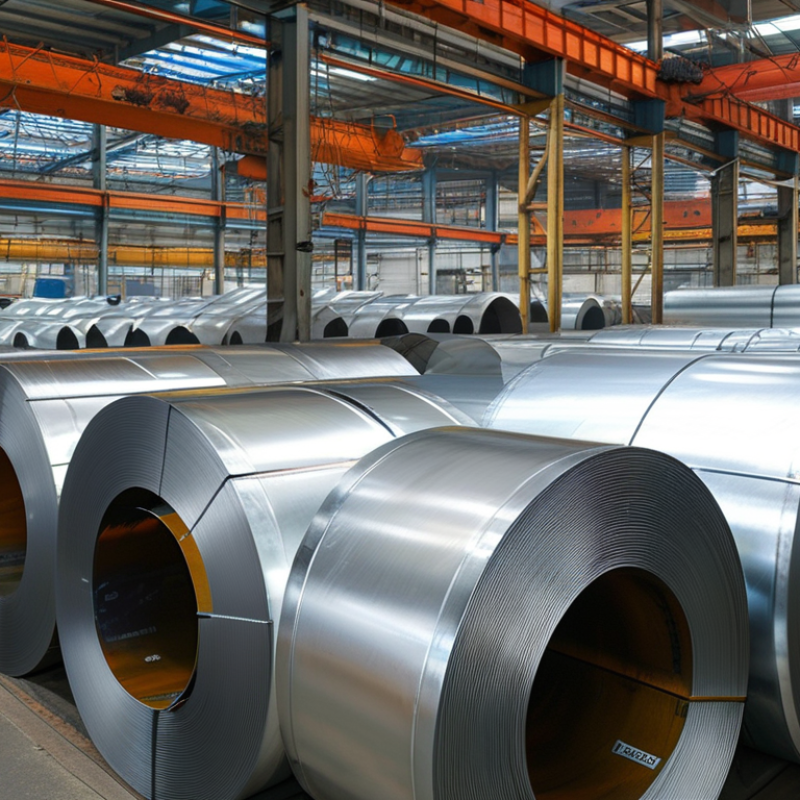
Galvanized plates are essential materials in various industries. They provide excellent corrosion resistance and durability. As global demand rises, finding reliable suppliers becomes critical.
In China, a wide range of galvanized plate suppliers caters to international buyers. These companies offer diverse products and competitive pricing. However, the quality can vary significantly. Choosing the right supplier can be challenging. Research and due diligence are vital to ensure product reliability.
This article explores the top ten galvanized plate suppliers in China. It highlights their strengths and weaknesses. By examining these suppliers, buyers can make informed decisions. Ultimately, the goal is to connect global buyers with trustworthy sources of galvanized plates.
Top 10 Galvanized Plates Suppliers in China for Global Buyers
When sourcing galvanized plates from China, global buyers often face challenges. The market is vast and diverse, making it difficult to identify reliable suppliers. Each supplier comes with unique specializations and quality levels, which can lead to confusion.
Understanding a supplier's expertise is key. Some manufacturers focus on high-volume production, while others specialize in custom orders. It's essential to examine their certifications and quality control measures. Buyers should not overlook the cultural and communication aspects. Language barriers can lead to misunderstandings about product specifications and delivery timelines.
Certain suppliers may have impressive catalogs but lack real-world experience. Engaging with suppliers who have a strong history in the industry can help mitigate risks. Regularly checking product samples ensures quality meets expectations, but remember, not all suppliers are consistent. It's advisable to maintain a proactive approach, fostering an open line of communication.
Market Overview of Galvanized Steel Plates in China
The galvanized steel plate market in China has shown significant growth and transformation. In recent years, production reached approximately 10 million tons annually. This surge is attributed to increasing demand in construction, automotive, and appliance sectors. According to a report by the China Steel Industry Association, the galvanized steel plate segment is projected to grow at a compound annual growth rate of 5% from 2021 to 2026.
Quality standards remain a key issue in this market. Many suppliers struggle to meet international quality expectations. The lack of consistent standards can lead to product variability, affecting buyer trust. Reports indicate that roughly 30% of products do not pass quality inspection in some regions. This presents an opportunity for improvement and highlights the importance of robust quality control measures.
Moreover, logistics and supply chain challenges persist. Transportation bottlenecks often lead to delays, impacting the availability of galvanized plates. A recent survey revealed that 40% of buyers experienced shipping issues within the last year. These factors underline the complexity of the market. Buyers must navigate both supply reliability and quality assurance to make informed purchasing decisions.
Key Factors Driving Demand for Galvanized Plates Globally
The global demand for galvanized plates is steadily increasing. This rise is driven by various factors, primarily the expansion of construction and automotive industries. In construction, galvanized plates offer durability and corrosion resistance. These qualities enhance the longevity of structures. Projects worldwide rely on strong materials that withstand harsh environments. This demand shows how crucial galvanized plates are in modern construction.
Automotive manufacturers are also major consumers of galvanized plates. They use these materials to ensure vehicle safety and longevity. With an increase in vehicle production, the need for reliable materials rises as well. However, there are challenges. Prices can fluctuate based on the raw materials market. Suppliers must stay adaptable. Global regulations on manufacturing processes also impact supply chains. Addressing these issues is essential for maintaining consistent quality and meeting growing demand.
Analysis of Supplier Capabilities and Product Quality Standards
When sourcing galvanized plates from China, understanding supplier capabilities and product quality standards is crucial. Not all suppliers will meet the varied demands of global buyers. Some excel in manufacturing efficiency, while others focus on stringent quality controls.
It's essential to evaluate certifications that indicate compliance with international standards. This includes ASTM, ISO, and others relevant to your industry. Suppliers should also demonstrate a robust quality management system. Quality checks at different production stages can be a sign of reliability.
Tips: Always ask for samples before placing large orders. This will help you assess the actual product quality. Engaging directly with suppliers gives you insights into their production process. Inquire about their weaknesses as well; knowing potential flaws can help in risk management. Be aware that fluctuations in material costs may impact quality, so staying informed is key.
Pricing Trends and Competitive Landscape in the Galvanized Plates Market
The galvanized plates market has shown notable pricing trends recently. According to a report by Research and Markets, the global market is projected to grow at a CAGR of 4.5% from 2023 to 2028. The price of galvanized plates fluctuates based on raw material costs, particularly zinc and steel. This volatility can unexpectedly impact pricing for global buyers. Traders often face challenges due to this unpredictability.
In 2023, the average price for galvanized plates was approximately $900 per ton. Experts suggest that ongoing supply chain disruptions may lead to further price increases. Capacity expansion in developing countries is expected to help stabilize prices, yet demand continues to outpace supply in some regions. Some buyers may find it beneficial to secure long-term contracts to mitigate risks linked to price volatility.
The competitive landscape remains intense. Local manufacturers strive to enhance quality while keeping costs low. However, some suppliers may compromise on quality for profit. This situation requires buyers to exercise diligence when selecting suppliers. Reviews and testimonials become essential tools. Understanding market dynamics helps buyers make informed decisions. Investing time in research is crucial for successful sourcing in this competitive environment.
Conclusion
The article titled "Top 10 Galvanized Plates Suppliers in China for Global Buyers" presents a comprehensive overview of the galvanized plates market in China, emphasizing the pivotal role of these products in global construction and manufacturing. It highlights key factors driving international demand, including infrastructure development and industrial applications, while also analyzing the capabilities and quality standards of leading suppliers.
Furthermore, the article delves into pricing trends and the competitive landscape, providing insights into how market dynamics influence sourcing decisions for importers. Supply chain considerations and logistics challenges are also discussed, ensuring that global buyers understand the complexities of importing galvanized plates from China. This detailed analysis serves as a valuable resource for decision-makers seeking reliable suppliers in a competitive market.