Who Are the Top Hot Rolled Plate Manufacturers in China?
China is one of the world’s largest steel-producing markets, and its Hot Rolled Plate manufacturers serve construction, shipbuilding, machinery, energy, and infrastructure projects. For buyers, the question is not simply which company produces the most steel. Plate thickness, grade consistency, delivery capacity, technical support, and quality documentation can matter just as much. A supplier’s ability to provide mill test certificates and traceable product details is especially useful when specifications are demanding.
This guide examines leading Chinese manufacturers through practical indicators, including production scale, product range, export experience, and service capabilities. Company names and market positions can change, so any list should be treated as a starting point—not a permanent ranking. Verify current specifications directly with each mill or authorized distributor. Ask about available dimensions, applicable standards, inspection options, and lead times before comparing quotations. Details matter.
Price alone can make a comparison look simple, but freight, processing, and delivery schedules may alter the final cost. A plate that meets a grade description may still differ in tolerances or documentation. That part is easy to overlook. The comparison is not perfectly tidy, and buyers should check the details rather than rely on broad claims. With a clear view of these factors, readers can better identify manufacturers suited to their project and make a more informed supplier shortlist.
What Hot-Rolled Plate Manufacturers Produce
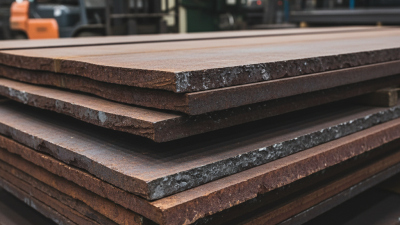
Hot-rolled plate manufacturers produce flat steel products for construction, machinery, transport equipment, and industrial projects. Their output commonly includes carbon-steel plate, low-alloy plate, and higher-strength plate. Buyers can request different thicknesses, widths, lengths, and material properties. Some mills also offer cut-to-size services, though available dimensions depend on their equipment and production schedule.
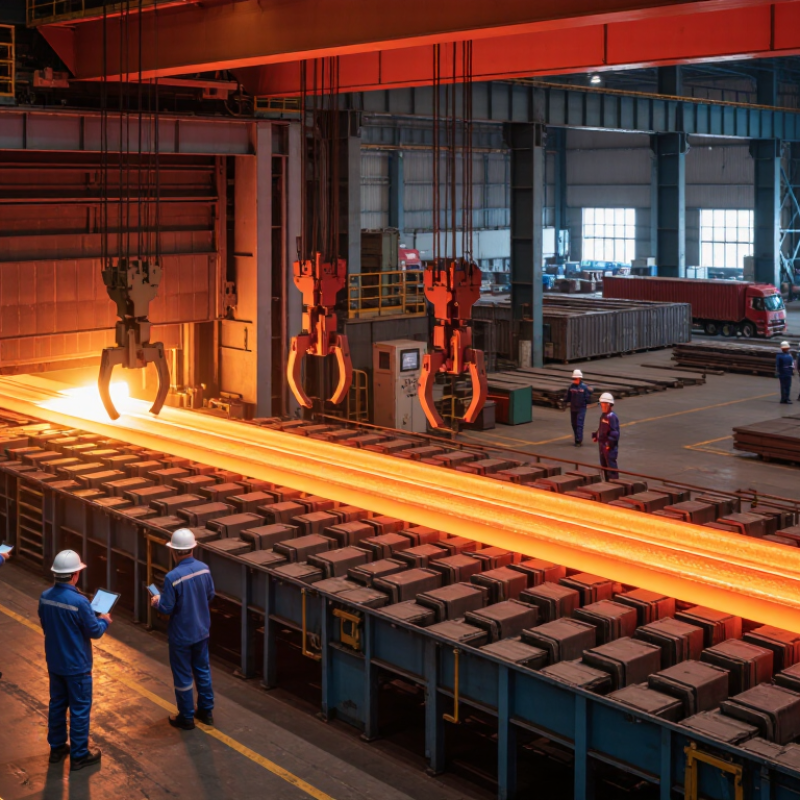
Production begins with reheating steel slabs, then rolling them through heavy stands until they reach the required thickness. The hot surface often carries scale, so plates may need descaling or further surface treatment. Cooling and leveling affect flatness and mechanical performance. Manufacturers test samples for dimensions and properties such as tensile strength. The terminology can be confusing; even experienced buyers sometimes miss the difference between a requested grade and a suitable specification. Details matter. Ask for the applicable standard, test records, and tolerances before ordering.
Tips: Share the plate’s intended use, thickness, and working conditions with the supplier. Check whether the quoted dimensions are standard stock or made to order. Confirm edge condition and surface requirements, too. A small mismatch can mean extra cutting or fit-up work later. Don’t assume every mill offers the same range.
Who Are the Top Hot Rolled Plate Manufacturers in China? — What Hot-Rolled Plate Manufacturers Produce
Representative hot-rolled plate product families made by Chinese steel mills. This is a product overview, not a company ranking; grades, thickness ranges, and availability vary by mill and order specification.
| Product Family |
Representative Grades or Standards |
Indicative Thickness Range |
Typical Product Characteristics |
Common Applications |
| Carbon structural steel plate |
Q235 grades; GB/T 3274 |
Approximately 6–100 mm |
General-purpose structural plate with a range of strength and weldability options. |
Buildings, industrial equipment, frames, and general fabrication. |
| Low-alloy high-strength structural plate |
Q355 grades; GB/T 1591 |
Approximately 6–100 mm |
Higher strength-to-weight performance than common carbon structural grades; grade suffixes indicate specified quality and impact-test requirements. |
Bridges, construction machinery, heavy structures, and transport equipment. |
| Boiler and pressure-vessel plate |
Grades covered by GB/T 713 |
Approximately 6–200 mm |
Produced to specified requirements for strength, toughness, and service conditions; inspection and testing depend on the grade and order. |
Boilers, pressure vessels, storage tanks, and process equipment. |
| Shipbuilding plate |
Commonly supplied to applicable classification-society rules and order specifications |
Approximately 6–100 mm |
Marine structural plate supplied in specified strength grades, with testing and certification requirements set by the order. |
Ship hulls, decks, offshore structures, and marine components. |
| Weathering steel plate |
GB/T 4171; grade selection depends on the required specification |
Approximately 4–100 mm |
Atmospheric-corrosion-resistant steel intended to form a protective surface layer under suitable exposure conditions. |
Bridges, rail vehicles, outdoor structures, and architectural applications. |
| Z-direction steel plate |
GB/T 5313 |
Thickness and Z-quality are specified by order |
Through-thickness properties are assessed to help reduce the risk of lamellar tearing in welded joints. |
Thick welded structures, offshore structures, and heavily restrained joints. |
| Wear-resistant plate |
Grade and hardness are specified by the applicable product standard or purchase specification |
Often approximately 6–100 mm |
Selected for surface hardness and resistance to abrasive wear; forming and welding requirements depend on grade. |
Mining equipment, material-handling systems, dump bodies, and industrial liners. |
| Pipeline and line-pipe plate |
Grade and specification depend on pipeline design and applicable standard |
Thickness is determined by the pipe design and order |
Plate intended for pipe production, with requirements for strength, toughness, chemistry, and testing set by the specification. |
Long-distance pipelines and energy or infrastructure projects. |
How China’s Hot-Rolled Plate Industry Is Organized
China’s hot-rolled plate industry is organized around several linked stages, not one uniform group of mills. Large integrated producers can make steel, cast slabs, and roll plate at the same site. Specialized rolling mills may instead depend on purchased slabs. Downstream processors level, cut, and prepare plate for construction, shipbuilding, machinery, and energy projects. The chain is layered. The World Steel Association’s World Steel in Figures 2025 reports that China produced about 1.005 billion tonnes of crude steel in 2024. That figure shows the scale of the upstream supply base, but it is not a measure of plate output alone.
Manufacturers compete on more than annual capacity. Buyers also assess thickness range, dimensional tolerances, surface condition, testing records, and delivery reliability. A plate arriving with uneven edges can mean extra cutting on the workshop floor. Common grades may move through stockists, while project-specific specifications often require closer coordination between mills and end users. China’s National Bureau of Statistics reported 2024 industrial production data, but broad steel totals do not reveal how much plate each facility makes. That gap matters. Public comparisons can blur the difference between crude-steel scale and proven plate capability, so procurement teams should verify mill certificates, product scope, and recent delivery experience.
Which Chinese Manufacturers Lead the Market
China’s market leaders are best assessed by scale and plate-specific performance, not company size alone. The World Steel Association’s World Steel in Figures 2025 reports that China produced 1,005.1 million tonnes of crude steel in 2024, out of 1,882.6 million tonnes worldwide. That is substantial. But crude-steel output cannot show which mills consistently deliver hot-rolled plate to specification.
Buyers should compare practical evidence: available plate widths and thicknesses, grade approvals, inspection records, and delivery consistency. Ask for recent mill test certificates and confirm that the tested heat matches the supplied plate. A capable supplier should also explain how it handles thickness tolerances, surface defects, and schedule changes. Public rankings rarely compare these details across Chinese manufacturers. The comparison is imperfect.
The OECD’s 2024 Steel Outlook projected global steelmaking excess capacity could reach 630 million tonnes by 2026. That figure signals a crowded supply landscape, not a quality ranking. Buyers should therefore distinguish production capacity from dependable plate output. A large mill may offer broad dimensions, while a smaller operation may suit a narrower specification better. Neither conclusion should rest on output figures alone. Check the evidence.
Who Leads China’s Hot-Rolled Plate Market?
National steel output provides useful industry context, but it does not identify individual hot-rolled plate manufacturers or establish a company ranking.
China’s crude steel output, 2020–2023, in million tonnes. Source: National Bureau of Statistics of China. Figures are national totals, not hot-rolled plate output.
How Major Producers Differ in Products and Capacity
China’s hot-rolled plate producers differ less by headline output than by what their mills can reliably roll. The World Steel Association’s World Steel in Figures 2024 reports that China produced 1,019.1 million tonnes of crude steel in 2023, out of 1,892.2 million tonnes worldwide. That scale provides context, not a measure of plate capacity. Crude steel can become many products. Buyers should compare plate-line capacity, maximum width and thickness, and the grades each mill regularly produces.
Some large integrated producers can coordinate steelmaking, rolling, and finishing across several product lines. Specialist plate mills may focus more closely on thick plate, shipbuilding grades, or other demanding specifications. Ask whether quoted capacity is annual nameplate capacity or actual available output; maintenance and order mix can change delivery schedules. A mill’s test certificates, dimensional tolerances, and inspection records offer more useful evidence than a broad capacity claim. Details matter. Capacity alone is imperfect, and published figures may not reveal how quickly a mill can deliver a particular specification.
What Buyers Should Evaluate When Choosing a Manufacturer
Choosing a hot rolled plate manufacturer starts with the drawing, not the sales brochure. Confirm the steel grade, thickness, width, length, and allowable tolerances in writing. For a 20 mm plate, ask how thickness is measured and where readings are taken. Small details matter. Request recent inspection records showing chemical composition and tensile results. Add impact testing when the application requires it. Ask for evidence.
Traceability should connect each plate to its heat or batch number. Check whether the mill test certificate matches the plate marking and whether records remain available after delivery. A factory visit can reveal practical details: slab storage, rolling schedules, calibration routines, and how rejected material is separated. Photos help, but they are not an audit. I would not judge capability from one polished sample; repeat orders often tell a more useful story.
Compare lead times, minimum order quantities, cutting options, edge condition, and export packing. Ask how the supplier handles schedule changes and dimensional claims. Clear answers matter. Verify that the manufacturer can supply the required grade and size consistently; a broad catalog does not necessarily mean regular stock. Price still matters, but a lower quote may leave out trimming, testing, or freight costs. Compare the delivered cost of usable plate.