10 Essential Tips for Choosing the Right Stainless Steel Plate
Choosing the right stainless steel plate is crucial in various industries, from manufacturing to construction. Expert John Smith, a renowned engineer with over 15 years in the field, states, "Selecting quality stainless steel plates can affect the durability and safety of your projects." His insights highlight the significance of understanding the material's properties.
When considering stainless steel plates, factors like thickness, grade, and finish are essential. Each characteristic influences performance and costs. A poor choice can lead to corrosion or structural failures. Thus, knowing the specifics of stainless steel grades is vital for effective decision-making.
Many professionals overlook the long-term implications of their selections. Be cautious; not all stainless steel is created equal. Balancing cost and quality is not straightforward. It requires careful thought and expertise. Failure to do so can result in unexpected challenges during a project.
Understanding Stainless Steel Plate Types and Grades
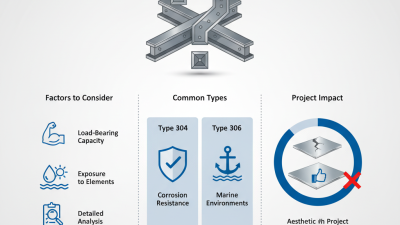
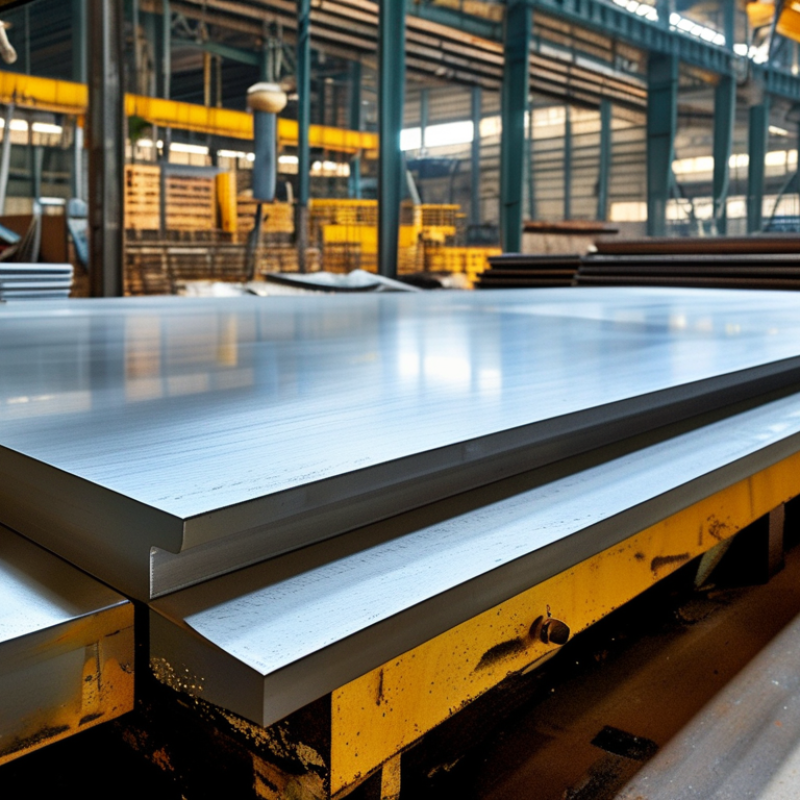
When selecting a stainless steel plate, understanding the types and grades is crucial. Stainless steel plates come in various grades, each with specific attributes. The notable ones include 304, 316, and 410 grades.
According to industry reports, 304 stainless steel is renowned for its excellent corrosion resistance and formability. With an addition of nickel, it performs well in different environments.
On the other hand, 316 offers superior resistance to acids and saline conditions. This makes it ideal for marine applications. In contrast, 410 grade stainless steel is a martensitic type. It features high strength but lower corrosion resistance compared to the austenitic grades. A lack of proper knowledge about these grades may lead to mismatched applications and performance issues.
Choosing the right type requires serious consideration. Not all grades suit every environment. For instance, using 410 in a coastal area might lead to premature failure. Many users overlook these details. An informed choice can enhance longevity and effectiveness. Industry analyses highlight that improper material selection can increase operational costs by up to 30%. Awareness of these grade characteristics is vital in reducing waste and improving project outcomes.
Evaluating the Dimensions and Tolerances for Your Project
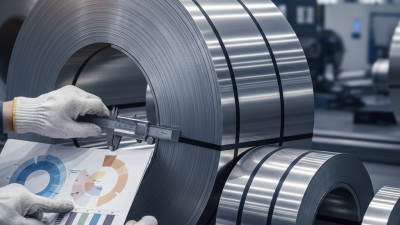
When evaluating dimensions and tolerances for your stainless steel plate project, precision is key. Understanding your specific needs will guide the selection process effectively. Start by determining the exact dimensions required. Consider the length, width, and thickness. Often, even a small discrepancy in thickness can impact the strength and overall functionality of the plate.
Next, assess the tolerances necessary for your application. Tolerances define the allowable variation in dimensions. They are crucial for ensuring parts fit together correctly. A tight tolerance may be essential for high-performance applications, while a looser tolerance may suffice for general use. It's important to reflect on how the tolerances will affect your overall design and functionality.
Regular consultation with experts or manufacturers can provide invaluable insights into industry standards. Always question whether the dimensions chosen align with your project goals. Reflect on previous projects. Did you encounter issues due to incorrect tolerances or dimensions? Learning from past experiences can improve your decision-making process today.
Assessing Corrosion Resistance and Durability Factors
When selecting a stainless steel plate, it's crucial to evaluate its corrosion resistance. Corrosion can compromise structural integrity and longevity. According to a report by the International Stainless Steel Forum, over 80% of stainless steel failures are due to incorrect material selection. Understanding the environment in which the plate will be used is vital. For instance, marine applications require materials that resist chloride-induced stress corrosion cracking.
Durability factors also play a significant role. Stainless steel alloys exhibit different properties. For example, type 316 offers better resistance to corrosion compared to type 304. This is essential for applications exposed to harsh chemicals or high humidity. A study from ASTM International shows that materials with enhanced nickel content perform better in corrosive environments. Consider not just the immediate costs but the long-term performance and maintenance requirements.
In real-world applications, selecting the wrong grade could lead to unexpected failures. The economic impact of corrosion failures can exceed billions annually, as reported by the National Association of Corrosion Engineers. Metal fatigue and wear can occur, leading to safety hazards. Regular assessments and planning for potential environmental impacts are necessary for making informed decisions. Balancing initial costs with durability is key in this selection process.
Identifying Surface Finishes for Aesthetic and Functional Needs
When choosing a stainless steel plate, understanding surface finishes is crucial. Different finishes can greatly impact both aesthetics and functionality. Common options include brushed, mirror, and matte finishes. A brushed finish adds a modern and elegant feel to the surface, ideal for architectural applications. Meanwhile, a mirror finish can create a polished, luxurious look for showroom displays or high-end appliances.
Functionality is equally important. The choice of finish can affect durability and maintenance. Matte finishes tend to hide scratches and fingerprints. They are often easier to keep clean, making them suitable for kitchens. Conversely, a polished surface shines beautifully but may require more upkeep. It's also necessary to consider how these finishes react to corrosion and chemicals based on your project's environment.
While it may be tempting to prioritize appearance, it’s vital to weigh practical aspects carefully. Reflecting on how the plate will be used can guide you in selecting the right surface finish. Each finish has unique benefits and drawbacks. Make intentional choices by aligning surface finishes with your specific needs.
10 Essential Tips for Choosing the Right Stainless Steel Plate - Identifying Surface Finishes for Aesthetic and Functional Needs
| Tip Number |
Tip Description |
Surface Finish Types |
Aesthetic Use Case |
Functional Use Case |
| 1 |
Choose the right grade |
304, 316 |
Art installations |
Kitchen equipment |
| 2 |
Assess thickness |
1mm, 2mm, 3mm |
Furniture |
Structural use |
| 3 |
Consider corrosion resistance |
Polished, Brushed |
Decorative panels |
Outdoor equipment |
| 4 |
Evaluate surface finish |
Matte, Glossy |
Interior design |
Machinery components |
| 5 |
Check for compliance |
Food safe, Medical |
Catering equipment |
Clean rooms |
| 6 |
Consider the application environment |
Pickled, Passivated |
Architectural features |
Marine applications |
| 7 |
Select the appropriate finish for maintenance |
Anodized, Electropolished |
Showroom displays |
Food processing |
| 8 |
Assess cost vs. benefit |
Varies by finish |
Luxury items |
Heavy-duty fixtures |
| 9 |
Match with other materials |
Polished with wood |
Interior accent |
Mixed material applications |
| 10 |
Consult with a professional |
N/A |
Custom designs |
Complex installations |
Budgeting and Sourcing: Finding the Right Supplier for Quality Plates
When budgeting for stainless steel plates, first evaluate your needs. Consider dimensions, thickness, and finish. These factors will influence cost. Gathering quotes from multiple suppliers is crucial for comparison. Prices can vary widely due to quality and supplier reliability.
To find a quality supplier, ask about their sourcing methods. A supplier that prioritizes sustainable practices often ensures better quality. Read reviews or request references to gauge their reputation. Not all suppliers offer the same level of service or materials.
Tip: Inspect the supplier's certifications. This ensures they meet industry standards. Also, look for transparency in pricing. Hidden costs can throw off your budget. Always clarify return policies. This helps in case the plates do not meet your expectations. Don't hesitate to negotiate on bulk orders for better rates.