Top Quality Hot Rolled Plates from China for Global Buyers?
In the realm of construction and manufacturing, Hot Rolled Plates hold a pivotal role. These plates are essential for various applications, from structural frameworks to heavy machinery. According to the World Steel Association, global steel production reached 1.88 billion metric tons in 2022, with hot-rolled products taking a significant share. This highlights the demand for high-quality materials in an ever-evolving market.
China stands as a leading supplier of Hot Rolled Plates, renowned for its competitive pricing and production capabilities. Reports indicate that Chinese exports of hot-rolled steel products increased by 30% in the past year, driven by stringent quality controls and advanced manufacturing techniques. Buyers worldwide seek reliable sources, and China continues to gain trust for delivering excellence.
While opportunities abound, challenges also exist. Some buyers have reported inconsistencies in quality, leading to procurement dilemmas. It's vital for global customers to thoroughly vet suppliers and prioritize manufacturers with strong reputations. Engaging with industry experts can help navigate this complex landscape and ensure that transactions lead to high-quality outcomes.
Introduction to Hot Rolled Plates: Definition and Applications
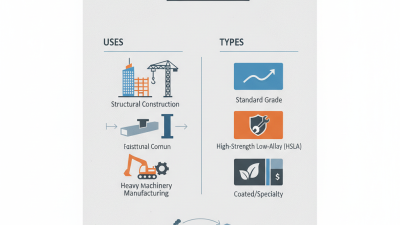
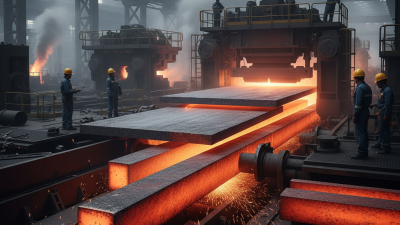
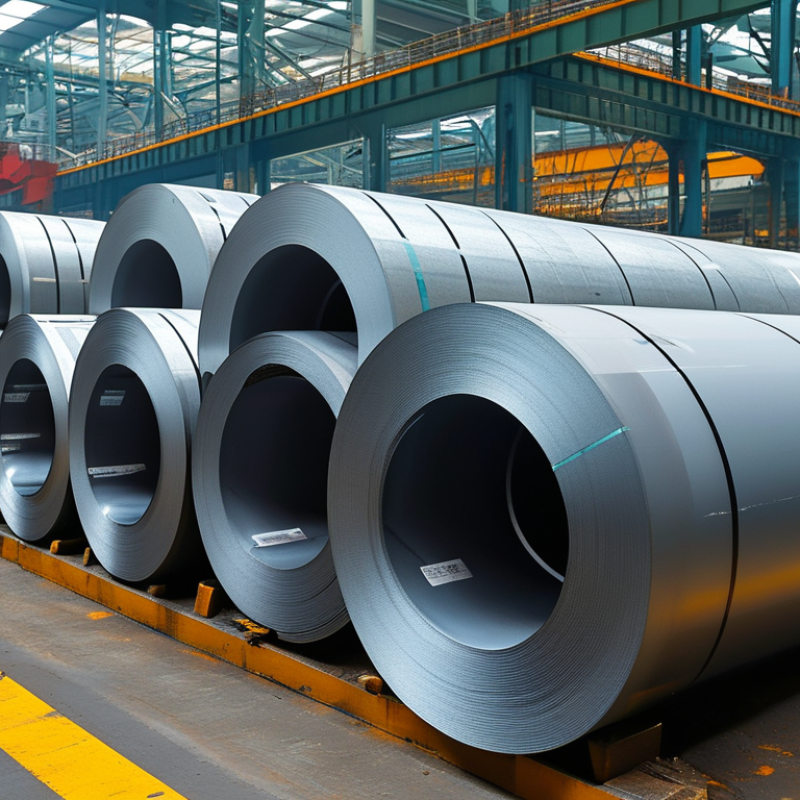
Hot rolled plates are essential in various industries, providing durability and strength for numerous applications. These plates are made by rolling steel at high temperatures, making them malleable and easier to shape. This process results in a product with minimal internal stresses, making it reliable for construction and manufacturing purposes. Typical uses include structural components, automotive parts, and machinery bases.
The dimensions of hot rolled plates can vary significantly. Thickness may range from several millimeters to more than a meter. Buyers often seek plates that meet specific standards for quality and performance. Testing for flatness and thickness is crucial, as inconsistencies can lead to problems in assembly or structural integrity.
While hot rolled plates are versatile, they come with some drawbacks. The surface finish, for instance, is often rough and requires further processing for certain applications. Buyers should consider their specific needs when selecting hot rolled plates. Carefully evaluating the quality and suitability of the plates is vital to avoid future complications in projects.
Overview of China's Hot Rolled Plate Manufacturing Industry
China's hot rolled plate manufacturing industry has gained remarkable recognition worldwide. With advanced technology and skilled labor, the country produces a vast range of high-quality plates. The market caters to diverse sectors including construction, automotive, and shipbuilding. In recent years, Chinese manufacturers have invested significantly in modernizing their processes and enhancing product standards. This ongoing improvement is crucial. However, inconsistencies in quality still present challenges.
Despite the advancements, not all products meet the expected standards. Variability in manufacturing processes can lead to defects. These defects may affect the plates' durability and performance. Buyers must therefore conduct thorough research when selecting suppliers. Understanding the technical specifications and verifying quality certifications is vital. At times, quality control measures may fall short, causing concern among international buyers. A proactive approach helps mitigate these risks.
Furthermore, environmental regulations influence the industry landscape. Manufacturers face pressure to adopt sustainable practices. Compliance with these regulations often proves costly. Nevertheless, companies that adapt their processes can gain a competitive edge. While China's hot rolled plate market offers potential, vigilance is necessary. Careful consideration can lead to successful transactions in this evolving landscape.
Quality Standards and Certifications for Hot Rolled Plates in China
Quality standards for hot rolled plates in China are crucial for global buyers. The production process involves strict adherence to specifications. The plates must meet certain thickness, width, and weight requirements. Buyers need to be aware of international norms. These standards ensure that products are usable in different industries.
Certifications play a key role in the credibility of hot rolled plates. Various organizations provide certifications based on testing and evaluation. These certificates often indicate compliance with international quality management systems. However, it’s essential for buyers to verify the authenticity of these documents. Some suppliers might present misleading information.
Understanding these quality standards helps buyers make informed decisions. It also reflects a supplier's commitment to excellence. Rarely, discrepancies occur in product performance and expected standards. Recognizing these issues can lead to better purchasing strategies. Buyers should remain critical and attentive to the details in every transaction.
Top Quality Hot Rolled Plates from China for Global Buyers
| Attribute |
Details |
Certification Standards |
| Thickness |
6 mm to 100 mm |
ASTM A36, JIS G3101 SS400 |
| Width |
1000 mm to 3000 mm |
ISO 9001:2015 |
| Length |
2000 mm to 12000 mm |
EN 10025-2 |
| Steel Grades |
Q235, Q345, S235JR |
API 5L, AISI 1010 |
| Surface Finish |
Hot Rolled, Pickled |
RoHS Compliant |
| Weight |
Varies by dimensions |
CE Marking |
Factors Influencing the Purchase of Hot Rolled Plates by Global Buyers
The demand for hot rolled plates has surged globally, driven by various factors influencing buyers' decisions. Cost efficiency remains a primary concern. According to a recent industry report by Research and Markets, the hot rolled plate market is expected to grow at a CAGR of 5.2% from 2023 to 2028. This growth speaks volumes about the increasing reliance on these materials across sectors such as construction and automotive.
Quality assurance plays a critical role. Buyers often seek plates that meet international standards. As per ASTM standards, hot rolled plates should have specific mechanical properties and chemical compositions. Buyers should look for suppliers who can demonstrate compliance with these standards, ensuring durability and performance. Evaluating suppliers' certifications can be a game-changer in procurement.
It is essential to consider supply chain reliability. Delays in delivery can lead to project setbacks. Global buyers should assess suppliers' logistical capabilities. Only by understanding the full scope of the supplier’s operations can buyers mitigate potential risks.
Analyzing past performance can offer insights into a supplier's reliability. Examine customer reviews and case studies. This data can provide a clearer picture of what to expect from potential suppliers.
Logistics and Shipping Considerations for International Buyers of Hot Rolled Plates
When considering logistics for hot rolled plates from China, several key factors come into play. Shipping routes need careful evaluation. Buyers should consider proximity to ports and the efficiency of customs clearance. Delays in these areas can impact delivery schedules significantly. Coordinate with experienced logistics providers for timely transport.
Understanding documentation is crucial for international shipments. Proper paperwork ensures smooth transit and compliance with regulations. Buyers must pay attention to import duties and taxes, which can vary between countries. A misunderstanding here can lead to unexpected costs.
Temperature and weight also matter during transit. Hot rolled plates are heavy and may require special handling. Ensure the shipping containers can accommodate the weight. If not, it leads to higher shipping fees or even damage. It's beneficial to communicate clearly with shipping partners to avoid last-minute complications.